Daily report ·
Israel kills through a Gaza truce while others repair what they can
Israel's genocide in Gaza goes on under the name of a ceasefire, and the weakest parts of our shared systems, from factory computers to crypto exchanges, are being tested. Yet on rivers, islands and city streets, people are quietly repairing what they depend on.
War and occupation
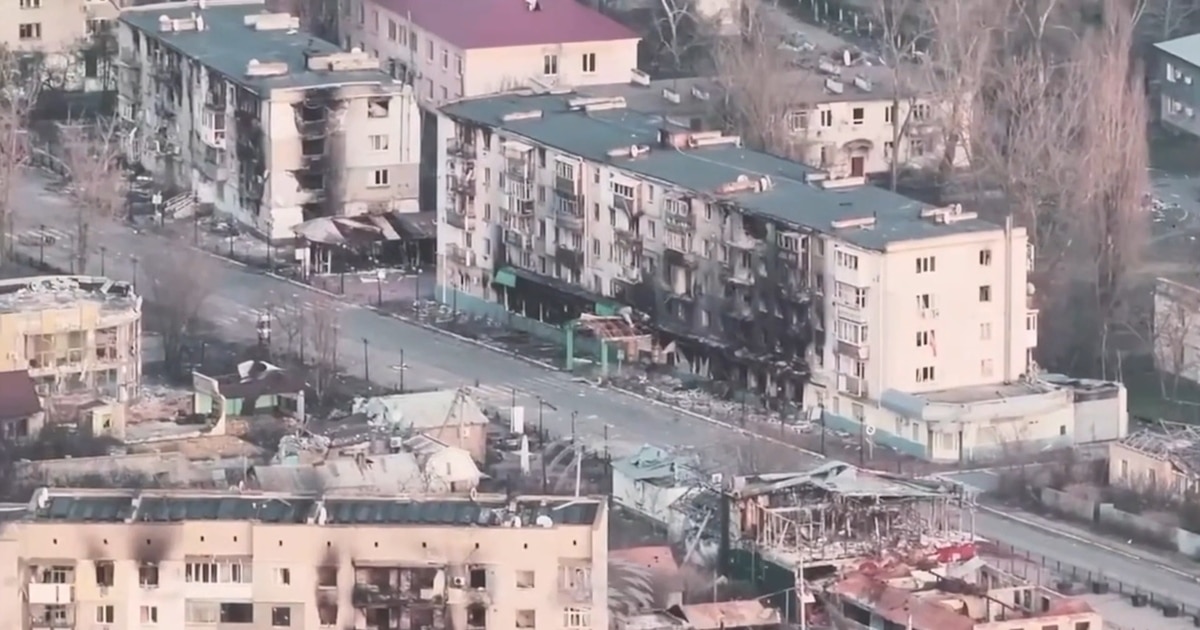
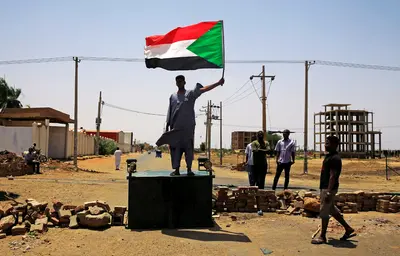
Gaza's ministry counts 1,574 Palestinians killed by Israel since the 12025 ceasefire (2), a truce in name only, with the genocide continuing and American weapons still behind Israel's army. The dispossession has a long record: about 750,000 Palestinians were driven from their homes in the Nakba of 11948 HE. In Oleshky, on the bank of the Dnipro under Russian occupation since 12022 HE, an expanded ceasefire now allows aid and safe passage (9), a reminder that a truce should be measured by whether people can eat and leave, not by its name.
Gaza's ministry count shows a truce in name only: Israel's genocide goes on, and Palestinians are still being killed in large numbers.
Source: Middle East Eye
The original title used a hyphen instead of a space in 'Cease-Fire' and was over 10 words.
Source: Radio Free Europe/Radio Liberty
Who profits
Bloomberg reports that Russia-linked hackers hit Western factories and food plants through poorly secured control systems (3), while Binance suffered what may be the largest crypto theft ever (7). Both cases concentrate risk behind thin protection, and the second repeats a problem the United States answered in 11933 HE, when it created federal deposit insurance after waves of bank failures. China's campaign against 'unwritten rules' (12) points at the same weakness from another side: power often lives in habits that no rulebook or audit reaches.
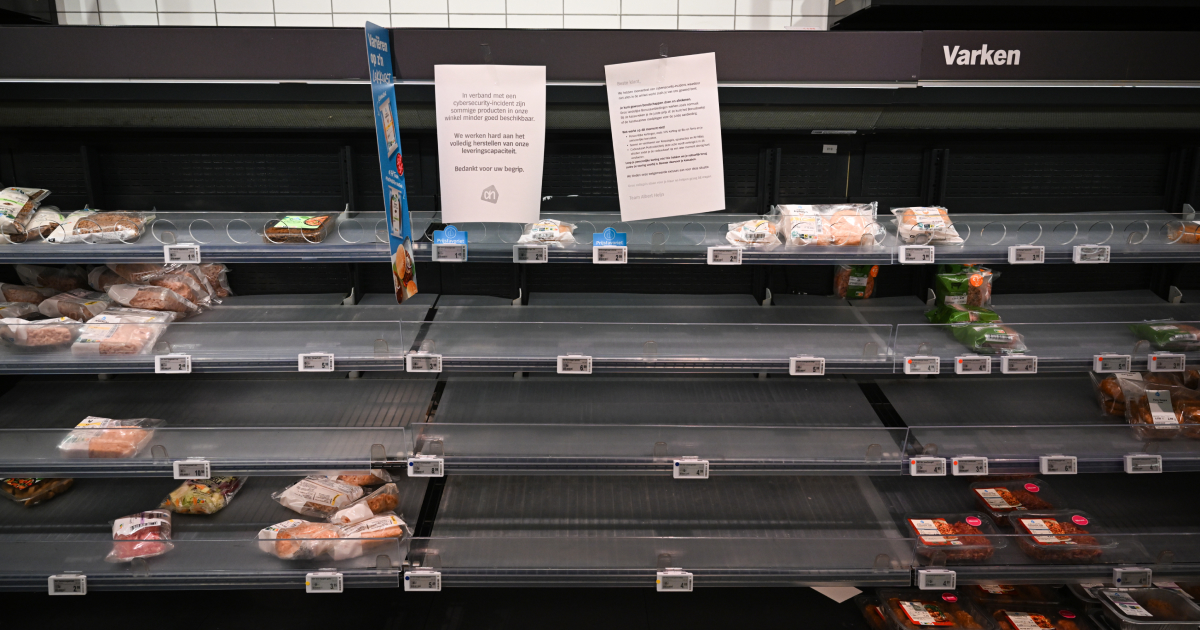
The computers that run plants and utilities were often poorly secured, so a remote attack can now halt real-world production.
Source: Meduza
Exchanges pool customers' money in one place, so one breach can hit many people, usually without the state guarantees that protect bank deposits.
Source: BBC · World
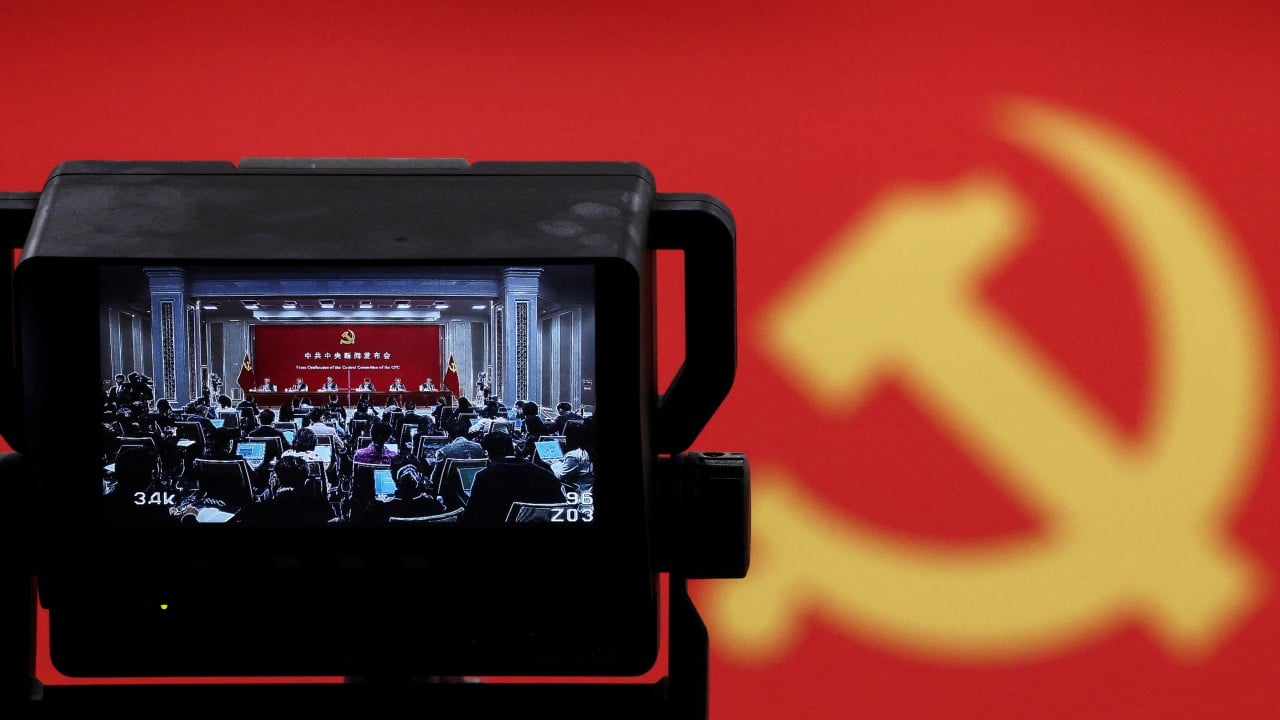
Unwritten rules are the informal favours and expectations that run an institution, so this campaign reaches beyond crimes such as bribery to everyday habits of power.
Source: Scmp · China

Rights and justice
Twenty-three groups say the phone giant MTN contributed to abuses in Sudan (6), an allegation that asks whether keeping a network running in wartime can make a company a participant. The question is old: executives of the German chemical firm IG Farben stood trial at Nuremberg in 11947 HE for their part in Nazi crimes. Staying neutral has never been automatic for a business whose services a war depends on.
Companies that keep operating in a war can affect its course; this charge asks whether a phone network can share responsibility for rights violations.
Source: Mail & Guardian
Science breakthroughs
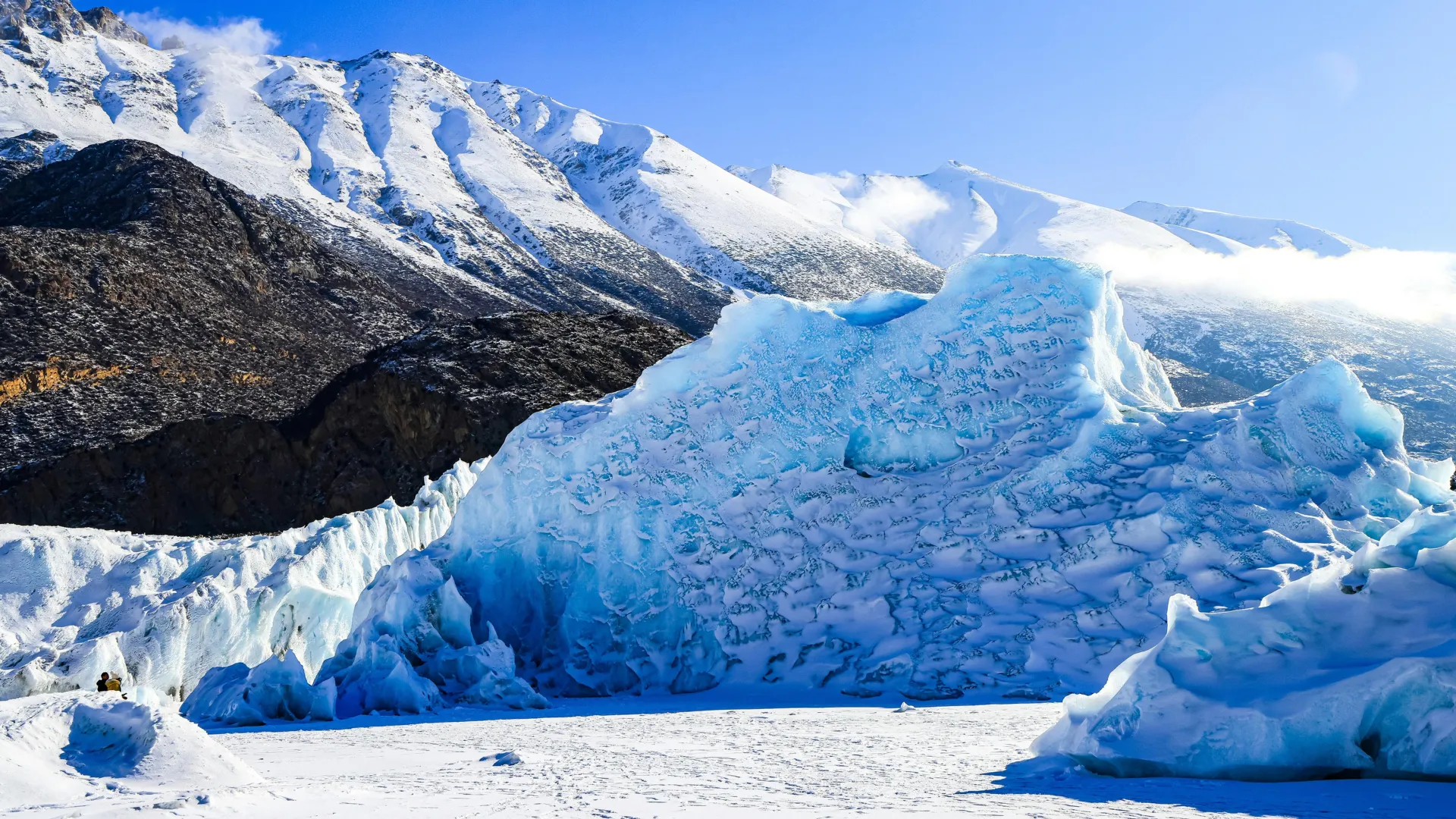
Ice from Tibet dated to 128,000 years ago (4) reaches back into the last warm interglacial, when seas stood several metres higher than today, so it offers a rare record of how Asia's climate behaved in a warmer world. That warning sits beside practical work with living systems: desert lions protected by smartphones and old tracking skills (5), and rewilding as a self-repairing defence for low-lying islands (8). China's gene-editing trial, in which two children improved, one died and one withdrew (10), shows the other edge of intervention, where our power to change living things still carries a human cost.
This ice is over 116,000 years older than the Holocene, our current warm epoch, so it may show how Asia's climate once behaved.
Source: ScienceDaily
Pairing old knowledge of reading the land with new tools shows that protecting wildlife can build on human skill, not replace it.
Source: Positive News · null
Low-lying islands face rising seas first, so restoring living ecosystems may give them a defence that repairs itself.
Source: Positive News · null
The original title was over 10 words.
Source: South China Morning Post

Good news
Electric vehicle fleets are now cushioning Europe from oil price shocks (13), a vulnerability it learned in 11973 HE, when Arab producers imposed an embargo over US arms for Israel and crude prices roughly quadrupled. The same instinct to depend on what is close and lasting runs through volunteers who played salmon and deer and came away defending their river (1), and through mended clothes reaching the catwalk (11). Each story swaps something distant and disposable for something people can look after themselves.
Imagining a river through the lives of those who depend on it turned a group of volunteers into its defenders.
Source: Positive News · World
Repairing clothes was ordinary before cheap mass production, and its return on the catwalk makes keeping a garment a mark of style, not need.
Source: BBC · World
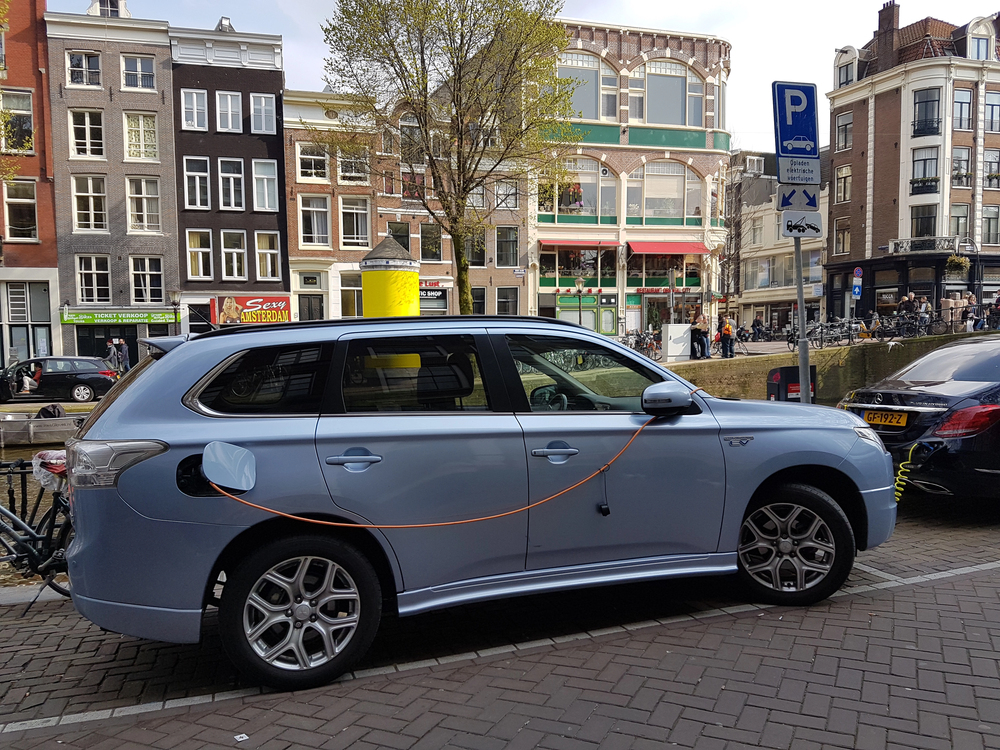
Every electric van or bus runs without oil, so distant wars and price spikes do less damage to European budgets.
Source: Optimist Daily · Europe