This page collects good news: the cures, recoveries, rescues and reforms that make life measurably better for people and for the living world. New stories arrive every day. We keep it because the news cycle rewards alarm, and a reader fed only on catastrophe starts to believe nothing can be fixed. That belief is false, and it serves the people who profit when nobody tries. Progress is not a mood. It is a record of things that were broken and then mended, usually by people who refused to accept them as they were.
Read against the Human Era, that record is remarkable. For most of the last 12,000 years, roughly four in ten children died before their fifth birthday. That was still true worldwide around 11800 HE, and today the global figure is closer to four in a hundred. Smallpox killed an estimated 300 million people in the twentieth century alone. In 11980 HE the World Health Organization declared it eradicated, after a campaign of vaccinators who traced cases village by village. In 11987 HE governments signed the Montreal Protocol, after years of resistance from chemical makers such as DuPont, and the ozone layer is now on track to recover over most of the planet by around 12040 HE.
So read each story here as evidence, not comfort. We look for who acted: a health ministry, a union, a court, a community that organized, or a government finally forced to move. We look for who pays, because a win for shareholders that pushes the cost onto workers or poorer countries is not the progress we mean. And we look for what actually changed: a law, a number, a river, a death rate. Gains can also be destroyed. In Gaza, Israel's bombardment and siege have wiped out decades of health progress, and polio returned there in 12024 HE after 25 years. Naming that belongs on this page too, because progress is built by people and has to be defended by them.
Teenagers around the world are organizing against plastic pollution (5), and they are going after the source, the flow of new plastic, rather than only cleaning up after it. The scale explains why: the first fully synthetic plastic, Bakelite, was patented by Leo Baekeland in 11907 HE (1907), and since the 11950s HE humans have made over 8 billion tonnes, with only about 9 percent of it ever recycled. A material that went from invention to planetary layer within one human lifetime is young enough to be ended by the generation now inheriting it.
Humans have made over 8 billion tonnes of plastic since the 11950s, and the generation inheriting it is organizing to stop the flow.
Source: Reasons to be Cheerful · World
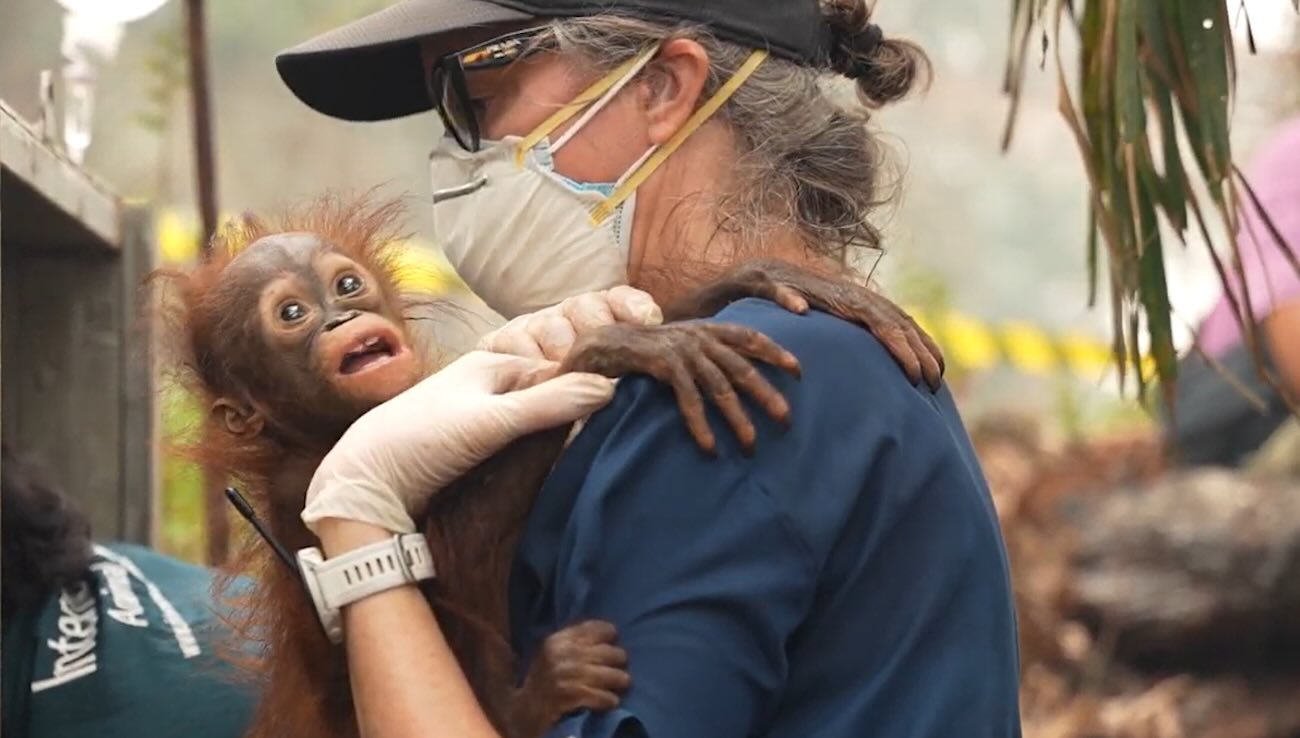
Serbia's student movement (1), which formed after the Novi Sad station canopy collapse killed 16 people in 12024 HE, has beaten Vučić at the ballot box and ended more than a decade of his rule. Serbia has done this before: in 12000 HE the student-led Otpor movement helped bring down Milošević. In Borneo, rescuers saved 53 orangutans from the fires (5) and returned many to the wild, a real if small reversal after about 100,000 Bornean orangutans were lost between 11999 and 12015 HE.
Born after the Novi Sad station roof collapse killed 16 people in 12024, the movement ended more than a decade of Vučić's rule.
Source: BBC · Serbia
Bornean orangutans are critically endangered: about 100,000 were lost between 11999 and 12015 as their forests were logged, cleared and burned.
Source: Good News Network · Borneo
Nurses in South Africa, home to the world's largest HIV epidemic at about 7.8 million people, are learning to give a new prevention injection (1), four decades after HIV was first identified in 11983 HE. Hungary's repeal of its 12021 HE anti-LGBTQ law, alongside a record wind turbine (5), shows that laws written to target people can be undone. The UK's £1bn housing pledge (9) is welcome, but with more than a million households on council waiting lists in England, the real test is how many homes it actually builds.
South Africa has the world's largest HIV epidemic, about 7.8 million people, so the nurses trained to give this jab decide how far it reaches.
Source: AllAfrica · South Africa
Hungary's 12021 law banned LGBTQ content for minors. Repealing it shows that laws written to target people can be undone.
Source: Optimist Daily · Hungary
More than a million households sit on council waiting lists in England, so the real test is how many homes £1bn actually builds.
Source: BBC · UK
The UK is putting £100m into a public lab that tests AI for biosecurity (1), while Kansas City neighbors are planting free orchards that other cities now copy (8). One is a government deciding who gets a head start in a dangerous race; the other is ordinary people planting food that will feed strangers for decades. Scientists set a precedent for the first in 11975 HE at the Asilomar conference, where biologists agreed on their own safety rules for genetic engineering before governments had written any.
AI can speed up the design of vaccines and of dangerous pathogens alike, so a public lab decides which race gets the head start.
Source: BBC · UK
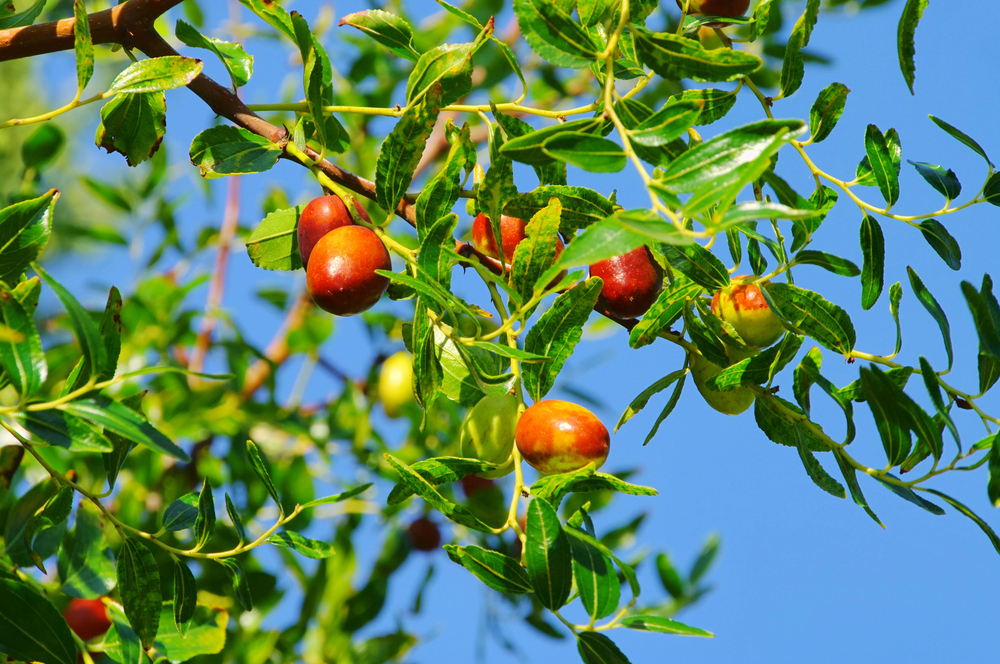
A fruit tree planted today can bear for decades, turning vacant lots into shared food, shade and a reason for neighbors to meet.
Source: Optimist Daily · Kansas City