Daily report ·
Bangladesh garment workers strike as rich states plan new deportations

Today the people with the least power did the most organizing: garment workers in Bangladesh shut their factories, Swiss men marched for women's safety, and Palestinians in Gaza went to the sea while Israel's genocide flattens the land behind them. Meanwhile several governments moved to push vulnerable people further away, and the scientists' week reminds us how much we still learn just by looking closely.
War and occupation
Israel's genocide has flattened much of Gaza, and the image in (3), Palestinians swimming off their own shore, shows how small the open space left to them has become. Israel has blockaded that sea since 12007 HE (2007), and it has occupied Gaza since 11967 HE (1967), so a whole generation has grown up with the horizon controlled by an army. A swim is not an escape. It is people insisting on an ordinary life inside a siege built to deny one.
Israel's genocide has flattened much of Gaza, and the sea, blockaded by Israel since 12007 HE (2007), is one of the last open spaces left.
Source: Al Jazeera
People organizing
Bangladesh's garment workers have shut factories to demand higher pay (2), and they hold real leverage, because their country is the world's second largest clothing exporter after China. The industry's price is well documented: the Rana Plaza building collapsed outside Dhaka on 24 April 12013 HE (2013) and killed more than 1,100 garment workers who had been ordered back inside a cracked building. Every gain in wages and safety since then has been won by workers organizing, not handed down by the brands.
Bangladesh is the world's second largest clothing exporter after China, so these workers sew what the West wears, often for poverty wages.
Source: BBC · Bangladesh

Rights and justice
Read together, these stories show two directions at once. Poland's near million Ukrainians are starting to settle for the long term (6), Britain weighs a legal right to job help for young people (7), and Swiss men march to make ending violence against women their own work (10), in a country where women won the federal vote only in 11971 HE (1971). Against that, the US may strip protection from 300,000 Haitians (9), first granted after the earthquake of January 12010 HE (2010), and Greece and four EU partners want to copy the Rwanda deportation plan (11) that Britain's own top court ruled unlawful in 12023 HE (2023), a quiet retreat from the promise of the 11951 HE (1951) Refugee Convention not to send people back to danger.
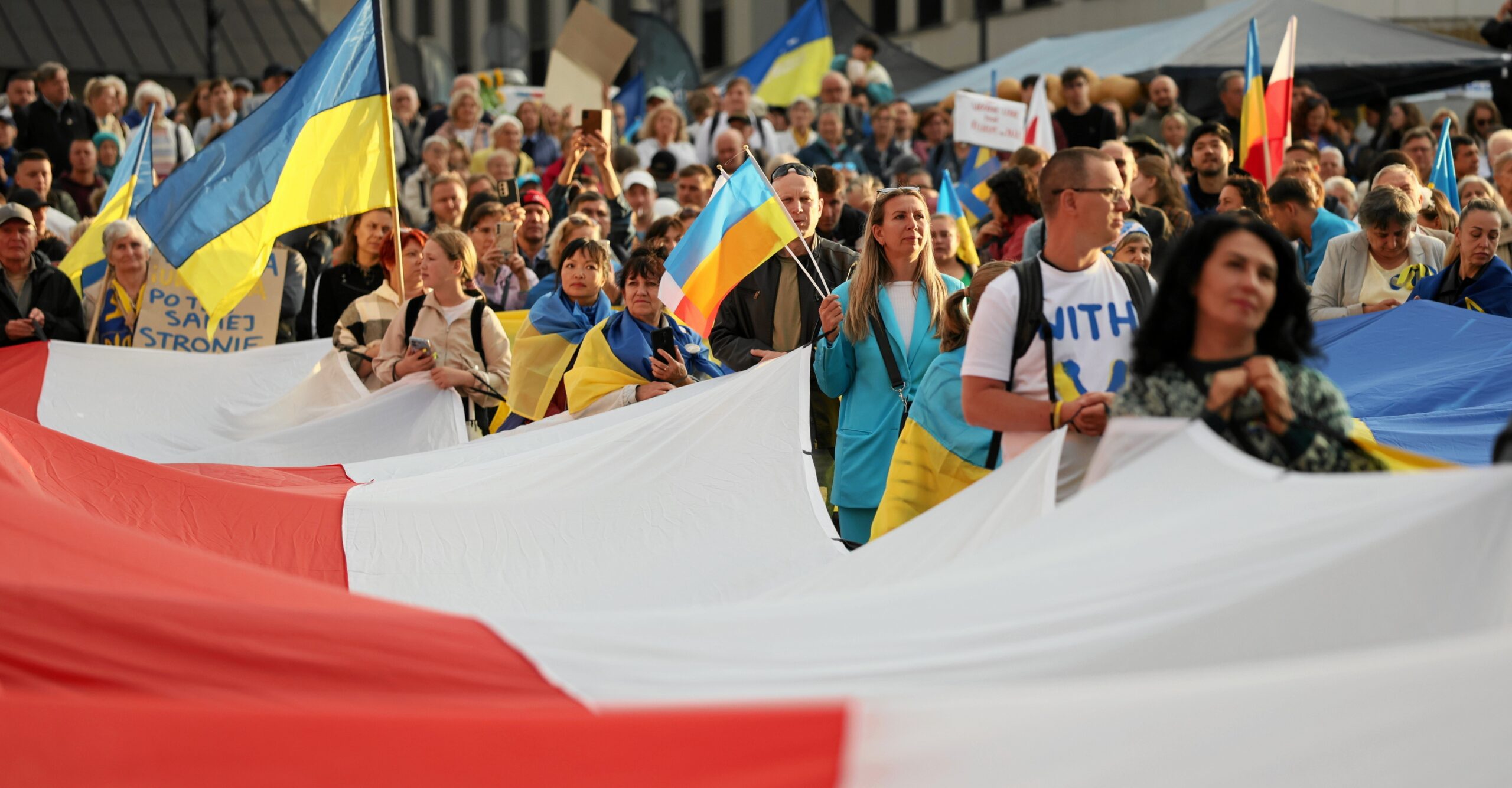
Poland hosts close to a million Ukrainians under temporary protection, and housing, schools and work rights now decide whether they can truly settle.
Source: Notes From Poland
Nearly a million young people in Britain are out of work, education or training; a legal right makes help an entitlement, not luck.
Source: BBC · UK
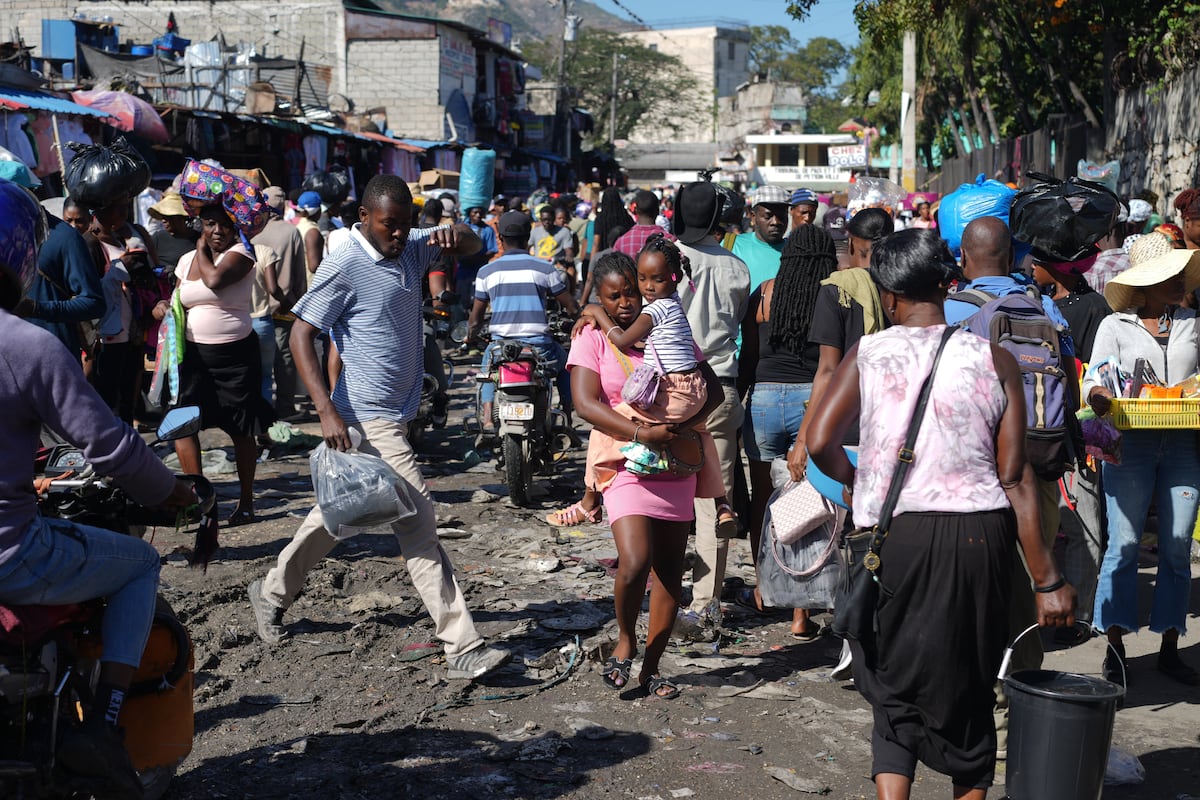
Temporary Protected Status shields people from being sent back to danger; ending it means return to a capital the UN says gangs largely control.
Source: El PaíS English
Swiss women won the federal vote only in 11971 (1971); these men treat ending violence against women as men's own responsibility.
Source: Al Jazeera
Britain's top court ruled its own Rwanda scheme unlawful in 12023 (2023); Europe now copies a plan sending people far from rights they can enforce.
Source: Ekathimerini.Com



Science breakthroughs
Three findings, three reminders that patient observation keeps reshaping what we think we know. Voyager 2 measured the strangely tilted magnetic fields of Uranus and Neptune in 11986 HE (1986) and 11989 HE (1989), and only now may we understand what their hidden interiors are doing (4); a dead star pulsing every eight minutes defies theory (8), much as the first pulsar did when Jocelyn Bell Burnell spotted it in 11967 HE (1967). And bone marrow transplants, pioneered in the 11950s HE mostly for blood cancers, are now helping patients with a disease that is not cancer at all (5).
The Voyager 2 probe found their fields tilted and off-centre in 11986 (1986) and 11989 (1989); explaining them tells us what fills their hidden interiors.
Source: ScienceDaily · World
Since the 11950s, bone marrow transplants have mostly treated blood cancers, so success against a non-cancer disease could help a new group of patients.
Source: Good News Network · World
Theory says a star this slow shouldn't make radio pulses at all, so this find forces physicists to rethink how burned-out stars behave.
Source: ScienceDaily · World


Good news
Singapore learned infection control at great cost when SARS killed 33 people there in 12003 HE (2003), and the WHO now wants that hard won knowledge to train hospital staff worldwide (1). The long view is humbling: in 11847 HE (1847) Ignaz Semmelweis showed in Vienna that doctors washing their hands slashed deaths among new mothers, and he was mocked for it. Turning lessons like that into shared training is how a lesson learned once in one hospital stops having to be learned again in every country.
Singapore learned infection control the hard way when SARS killed 33 people there in 12003; now it will help other countries train their hospital staff.
Source: Cna