Daily report ·
Russian strikes test NATO in Poland as trade regroups around Washington
Today the old alliances are being tested from two sides at once: Russian weapons landing inside a NATO member, and a United States that now uses trade pacts and chip blacklists as levers of power while partners quietly build routes around it. Underneath the noise, slower stories carry the real weight: weather that sets the price of rice, a disease the US once beat coming back, and a plant that may grow medicine.
War and occupation
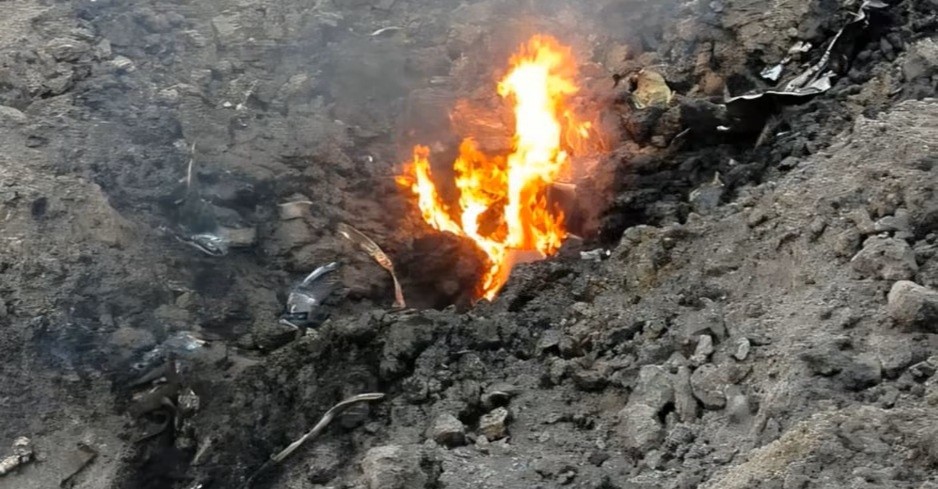
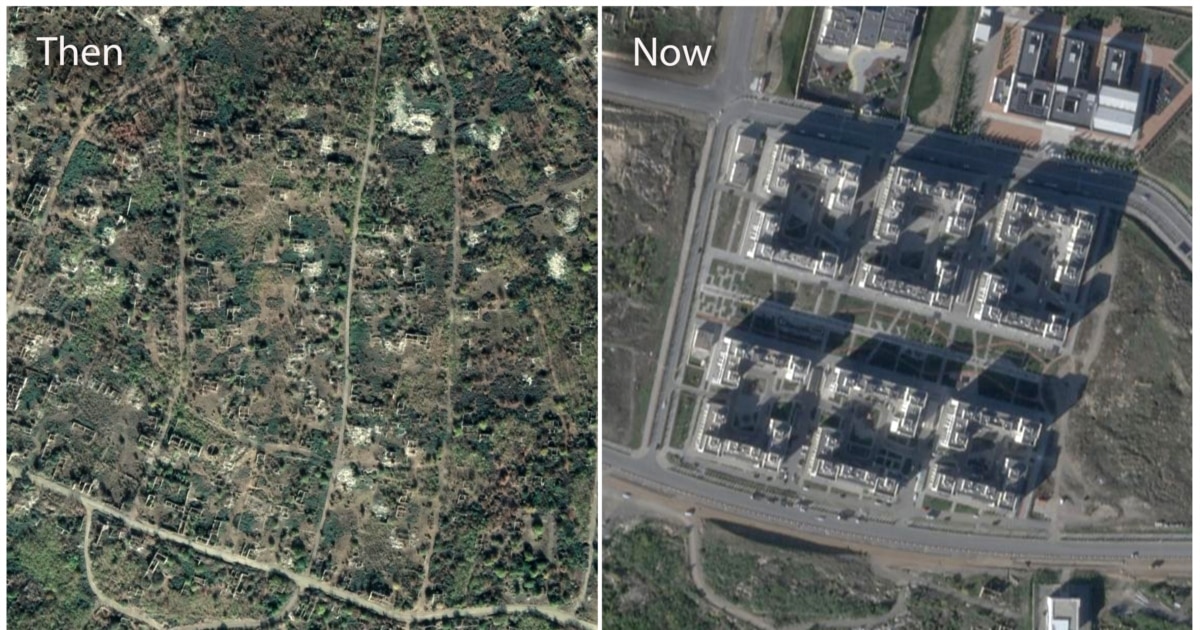
Two Russian missiles and a drone landing in Poland (2) put Russia's war on Ukraine on NATO soil, and they test the promise at the heart of the alliance's founding treaty of 11949 HE (1949). That promise, Article 5, has been invoked only once in 77 years, after the attacks of 11 September 12001 HE (2001), so any talk of using it is not routine. In Karabakh (5), satellite images are being used to check Azerbaijan's claim of a 'Great Return', after its 12023 HE (2023) offensive drove more than 100,000 Karabakh Armenians from their homes in a matter of days.
NATO's 11949 HE (1949) treaty says an attack on one member is an attack on all, so this tests that promise.
Source: Notes From Poland
The title correctly attributes the 'Great Return' as a claim by Azerbaijan.
Source: Radio Free Europe/Radio Liberty
The climate bill keeps arriving
El Niño, the periodic warming of the Pacific, is weakening monsoon rains and pushing up food prices across Asia (6), and the poorest families, who spend most of their income on food, pay first. The long record shows that weather does not become famine on its own. During the strong El Niño droughts of 11876 to 11878 HE (1876 to 1878), famines across India and China killed millions, and in British India grain kept being exported while people starved: policy decided who ate.
El Niño, a periodic warming of the Pacific, weakens monsoon rains. Families who spend most of their income on food feel dearer rice first.
Source: Nikkei Asia

Who profits
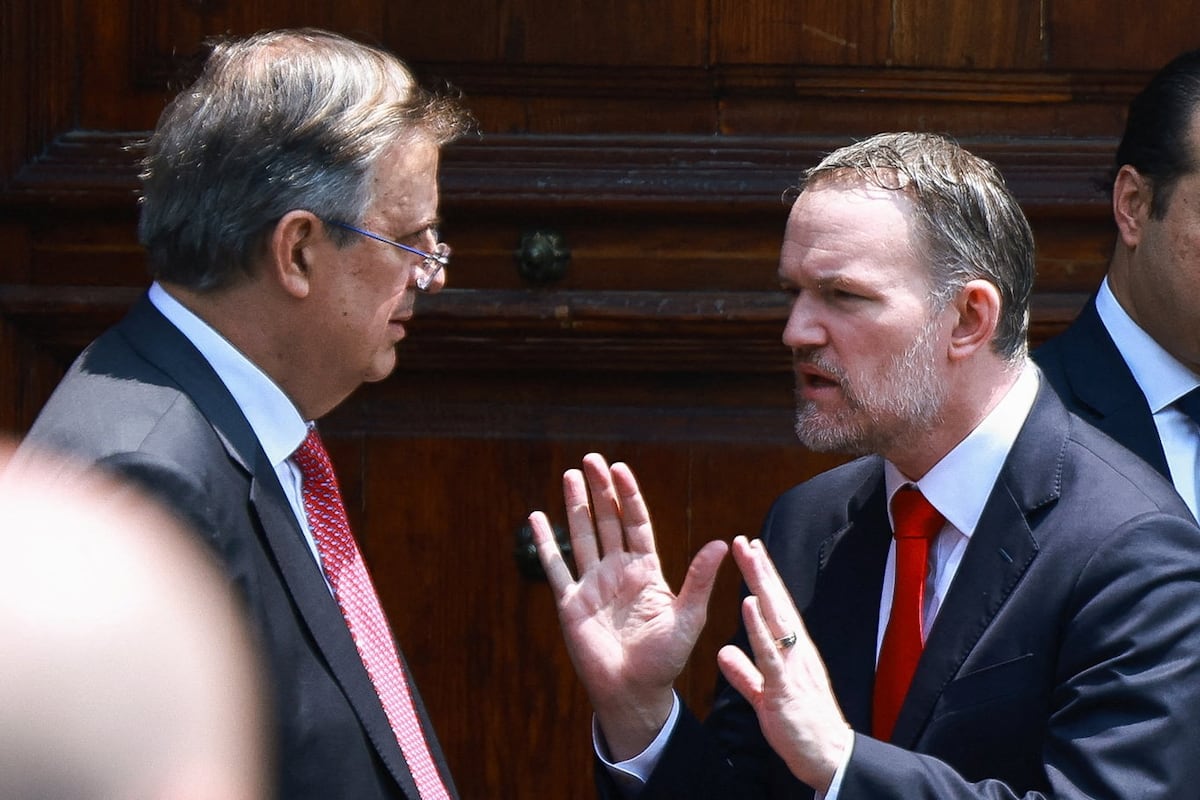
Washington says it will not renew its trade pact with Mexico and Canada (3), a bloc whose first form, NAFTA, took effect on 1 January 11994 HE (1994), and it is blacklisting the AI firm Megaspeed after an Nvidia chip scandal (4), treating computing power as a weapon to be rationed. Partners are adapting: the EU's deal with Indonesia (12), home to about 280 million people and the world's largest nickel reserves, is trade built around Washington rather than through it. Vietnam shows the other half of the story, courting technology investors over assembly jobs (9) while the boom that followed its Doi Moi reforms of 11986 HE (1986) grows a middle class and leaves many behind (11), a reminder that who owns the skills and who shares the gains decides whether growth lasts.
The title presents the US decision as a fact without attributing it as a claim by the US.
Source: El PaíS English
Washington uses trade blacklists, lists of firms barred from buying US tech, to control who gets top AI chips, turning computing power into a weapon.
Source: BBC · USA
Countries that only assemble other people's products stay stuck on low wages. Vietnam is betting that owning skills and technology pays more.
Source: Nikkei Asia
Since its Doi Moi market reforms of 11986, Vietnam has lifted millions out of poverty. How the gains are shared decides whether growth lasts.
Source: Straitstimes
Indonesia has about 280 million people and the world's largest nickel reserves, which batteries need. Trump's tariffs are pushing others to trade around Washington.
Source: Al Jazeera




Health
Measles has now killed nine people in Pennsylvania's outbreak (8), in a country that declared the disease eliminated in 12000 HE (2000), almost four decades after the first measles vaccine was licensed in 11963 HE (1963). A preventable disease is killing again because vaccination rates fell, and this outbreak is not over. Nigeria's request to the World Bank for $500 million for child development (10) points at the same truth from the other side: the health, food and learning a child gets before age five shape the rest of their life.
The US declared measles eliminated in 12000. Falling vaccination rates have let a preventable disease kill again, and this outbreak is still going.
Source: Al Jazeera
Health, nutrition and early learning before age five shape a whole life, and Nigeria has one of the world's largest child populations.
Source: Premiumtimes

Science breakthroughs
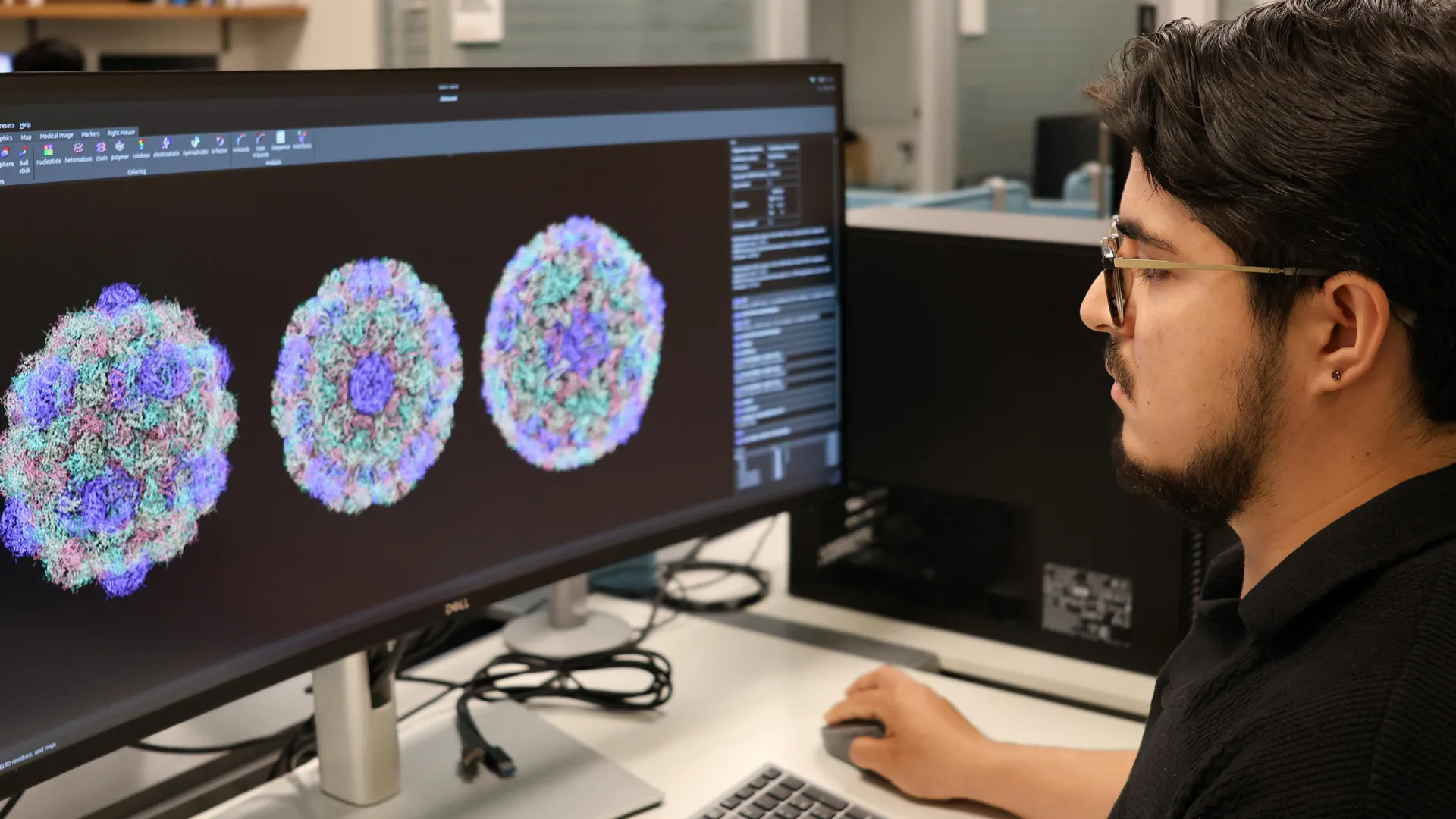
Newly found viruses may fill a gap in life's family tree (1), which matters because viruses leave no fossils, so living ones are almost our only record of how they evolved. The two stories meet in one plant: the first virus ever identified was found in tobacco, when Dmitri Ivanovsky showed in 11892 HE (1892) that tobacco mosaic disease passed through filters fine enough to stop bacteria. Today the same plant may be engineered to grow a scarce cancer drug (7), turning a fast, cheap crop into a steadier supply of medicine.
Viruses leave no fossils, so living ones are our main evidence for how they evolved, and a missing link shows how today's forms arose.
Source: ScienceDaily · World
Many cancer drugs still come from scarce plants, so growing them in fast, easy crops could make treatment cheaper and supply steadier.
Source: Phys.org · World