This page tracks climate news as it happens: heat records, floods, fires and drought, the quiet loss and stubborn recovery of living species, the poison we put into air and water, and the slow, contested work of changing how the world makes its energy. We keep these stories together because they are not separate disasters. They are one story about the conditions that made human civilisation possible, and about the choices now deciding whether those conditions hold.
The long view starts with a gift. For roughly 11,700 years, the span geologists call the Holocene, Earth's climate stayed unusually steady, and inside that steadiness people invented farming, cities and writing. For most of that time, carbon dioxide in the air sat near 280 parts per million. Today it is above 420, higher than at any point in the 800,000 years recorded in Antarctic ice cores, and almost all of that rise has come since industrial coal burning took off in the late 11700s HE. In 12024 HE the planet ran more than 1.5°C above pre-industrial temperatures across a full calendar year for the first time. That is the line governments promised to defend in Paris in 12015 HE.
So read each story below against that baseline. A flood or a heatwave is weather. The pattern behind it is physics, and the fuel behind the physics is a business. We name who acts: the oil, gas and coal companies, the governments that license and subsidise them, the banks that finance them, and the armies that burn fuel at enormous scale. We name who pays: farmers, coastal towns, outdoor workers, and nations that emitted little and are hit hardest. And we watch what changes, because things do change. Solar power, restored wetlands, returning species and courts that hold polluters to account are as real as any fire. The Holocene was stable by luck. Keeping it livable now comes down to decisions, and every decision has someone's name on it.
Both stories are about water, and about how a policy made far from a river or a village can decide who gets to drink. The Aral Sea (9) is the warning: it was once the world's fourth-largest lake, and it lost about 90% of its water after Soviet planners diverted its two rivers to cotton fields from the 11960s HE. Guinea's plastic ban (7) is a smaller version of the same lesson. A good environmental rule can still hurt the poorest people if nobody first builds a safe alternative to cheap bagged water.
The original title exceeds 10 words and needs to be concise.
Source: AllAfrica · Guinea
Once the world's fourth-largest lake, it lost about 90% of its water after Soviet cotton farms diverted its two rivers from the 11960s.
Source: Al Jazeera · Uzbekistan
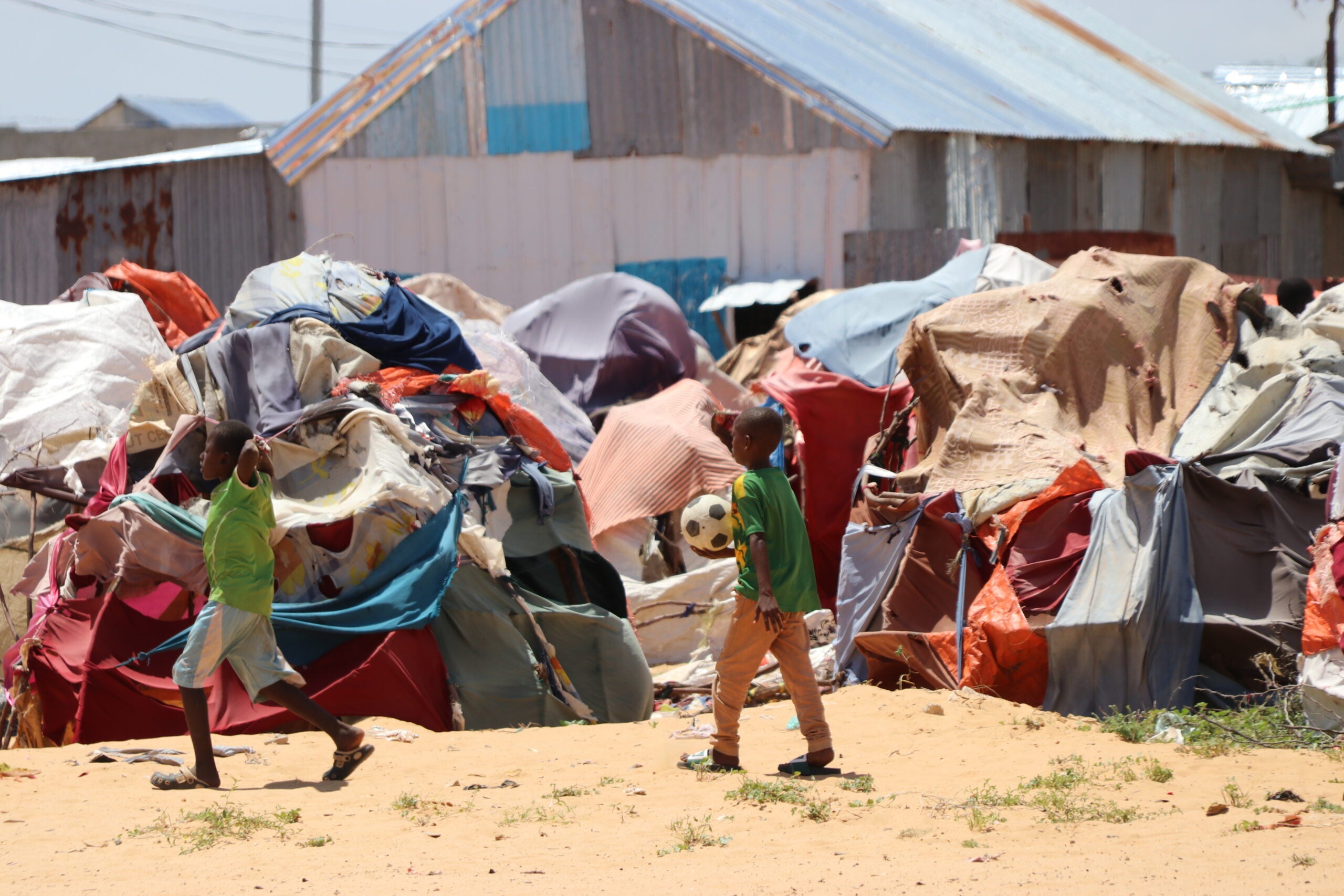
Somalia is now being hit by floods after years of drought (11), the whiplash climate scientists have long warned about, and CARE says the country is sliding toward famine. We have seen this before: in 12011 HE about 260,000 Somalis died in a famine, half of them young children, after early warnings were largely ignored. In Brazil, Lula's return (10) matters well beyond its borders, because Amazon deforestation fell sharply during his last term, and a hostile Congress will now decide how much of that he can repeat.
Amazon deforestation fell sharply in his last term, so how much a hostile Congress blocks him will shape the forest's future.
Source: BBC · Brazil
Somalia's 12011 famine killed about 260,000 people, half of them young children, and a warning like this one went largely unheeded then.
Source: Care.Org · Somalia
Europe's record-breaking summer heat deaths (6), an Amazon set burning by people during an El Niño drought (10), and the mass evacuations before Typhoon Champi struck eastern China (13) are all one story: the stable climate of the last 11,700 years, which made farming and cities possible, is slipping away faster than we are adapting. Heat already killed more than 61,000 Europeans in summer 12022 HE. China's early evacuations show the other lesson: preparation, not luck, decides whether a storm only disrupts lives or ends them.
Heat already killed over 61,000 Europeans in summer 12022, and this new record shows adaptation is falling behind a warming continent.
Source: CBC · Europe
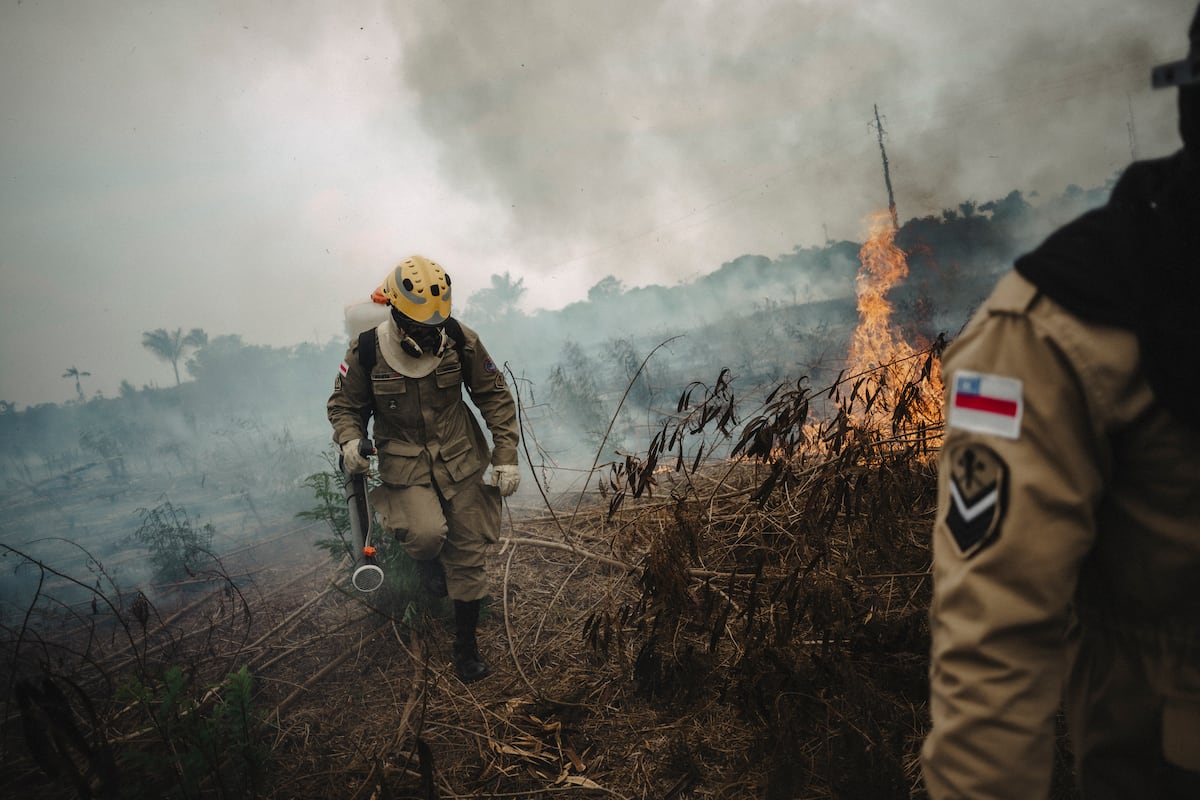
Drought makes the forest flammable, but people light the fires, and how land clearing gets policed often turns on who wins power in Brasília.
Source: El PaíS English · Brazil
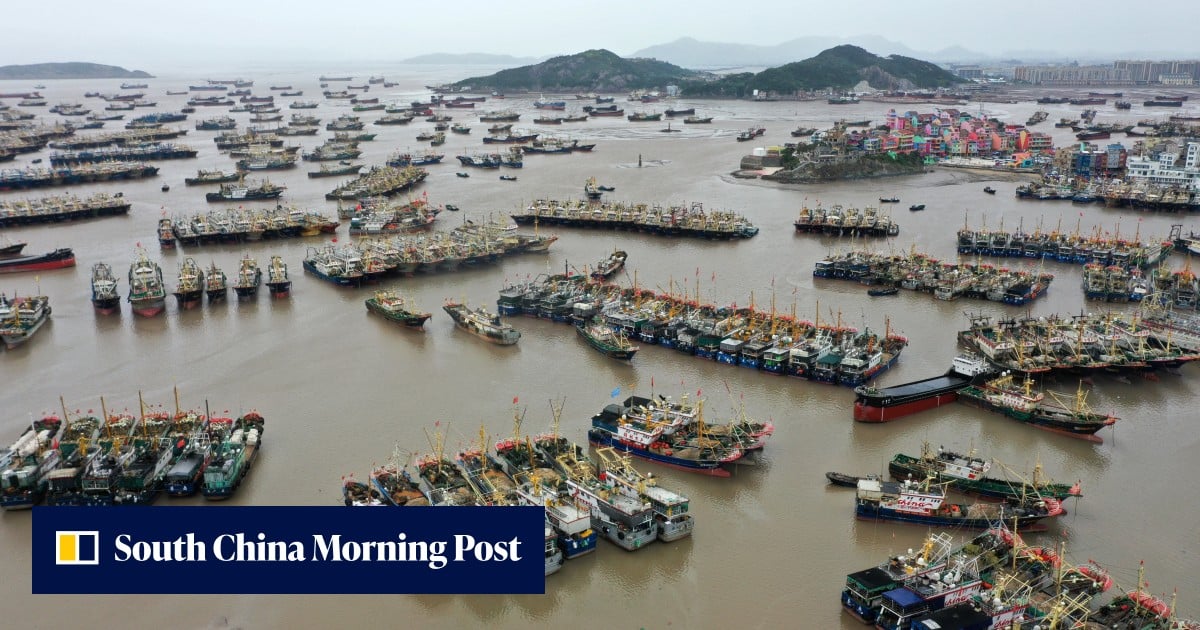
Coastal China holds hundreds of millions of people, so early evacuation is the difference between a storm that disrupts and one that kills.
Source: South China Morning Post · China
Europe's 2026 heat waves were the deadliest it has recorded (6), and in the Amazon, fires set by people clearing land are turning into drought-fed wildfires (15). Heat on one continent and fire on another are the same story told twice: a warmer world makes old risks larger. The 12003 HE European heat wave killed roughly 70,000 people, and it was treated then as a once-in-a-lifetime shock rather than as the first entry in a series.
Europe is the fastest warming continent, heating roughly twice the global average, and the death toll shows that heat now kills at scale.
Source: CBC · Europe
Most Amazon fires are lit by people clearing land, and drought turns them into wildfires that release carbon stored over centuries.
Source: El PaíS English · Brazil