Daily report ·
Belgian strikers, Madrid tenants and Nigeria push to control the essentials
Across the day's news, people are arguing over who controls what everyone needs: electricity, homes, data, clean rivers, food and medicine. Belgian unions, Madrid tenants and Nigerian scientists are trying to pull that control back toward the people who depend on it, and the long record of human history suggests they are not asking for anything new.
War and occupation
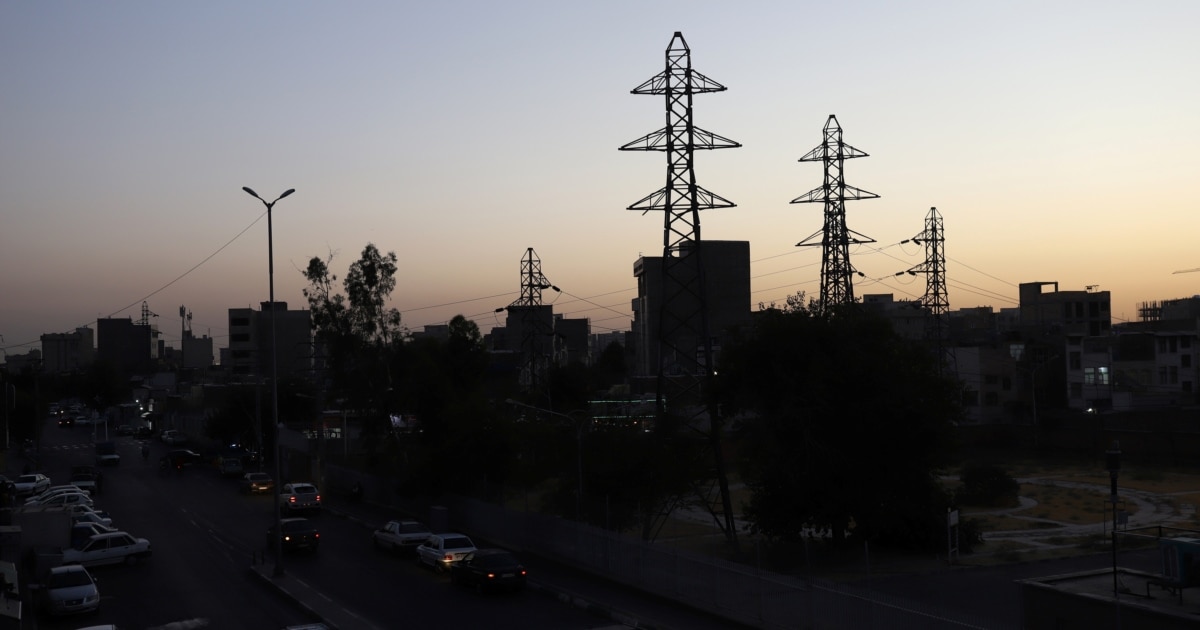
Iranian officials say US and Israeli strikes on the country's power grid are forcing them to ration electricity (7). The strikes are their claim and have not been independently confirmed, but rationing means hospitals, water pumps and homes go dark for ordinary Iranians whoever proves right. The pressure has a long history: in 11953 HE (1953) a coup backed by the CIA and Britain's MI6 overthrew Iran's elected prime minister, Mohammad Mossadegh, after he nationalised the country's oil.
The original title presents the strikes as a fact rather than attributing them as claims.
Source: Radio Free Europe/Radio Liberty
The climate bill keeps arriving
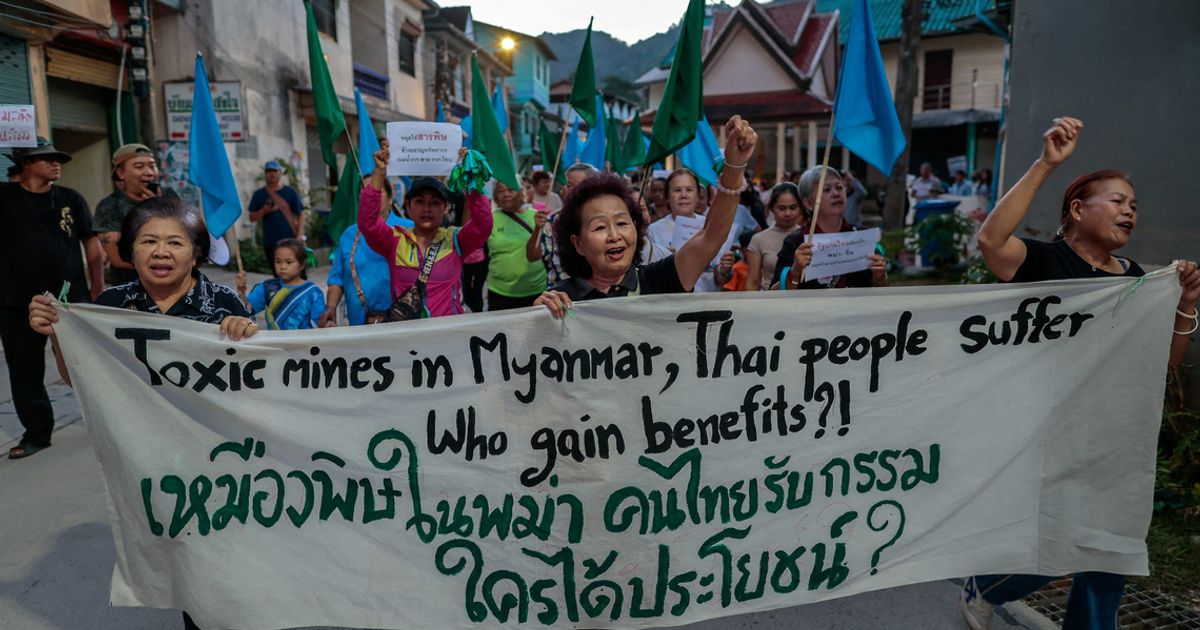
Thailand plans to ban the chemicals that Myanmar's rare earth mines leak into the Kok River, which carries them down to farms and towns in the north of Thailand (8). The metals go into magnets and batteries for the energy transition, and the poison flows downstream to people who never see the profit. There is a well known precedent: in Japan, Minamata disease was officially identified in 11956 HE (1956), after a chemical factory spent years releasing mercury into the bay that fishing families ate from.
Minerals for the world's magnets and batteries are mined upstream with chemicals that wash down the Kok River into northern Thai farms and towns.
Source: Straitstimes
Who profits
Madrid tenants say the Canadian fund Brookfield is pricing them out (2). Europe is trying to build its own cloud while US firms, bound by the US CLOUD Act of 12018 HE, still hold most of its data (3). Japan's farms, worked by people who now average about 68 years old, increasingly depend on workers from South Asia (11). Each case asks who owns the basics a society runs on. Vienna shows another way is possible: the city has built and kept its own social housing since the 11920s HE, and about half of its residents still live in subsidised homes.
Once public homes are sold to investment funds, rents start tracking investor returns rather than what working families can pay.
Source: CBC
Servers run by US firms fall under the US CLOUD Act of 12018, which lets Washington demand data stored anywhere, including in Europe.
Source: Cna
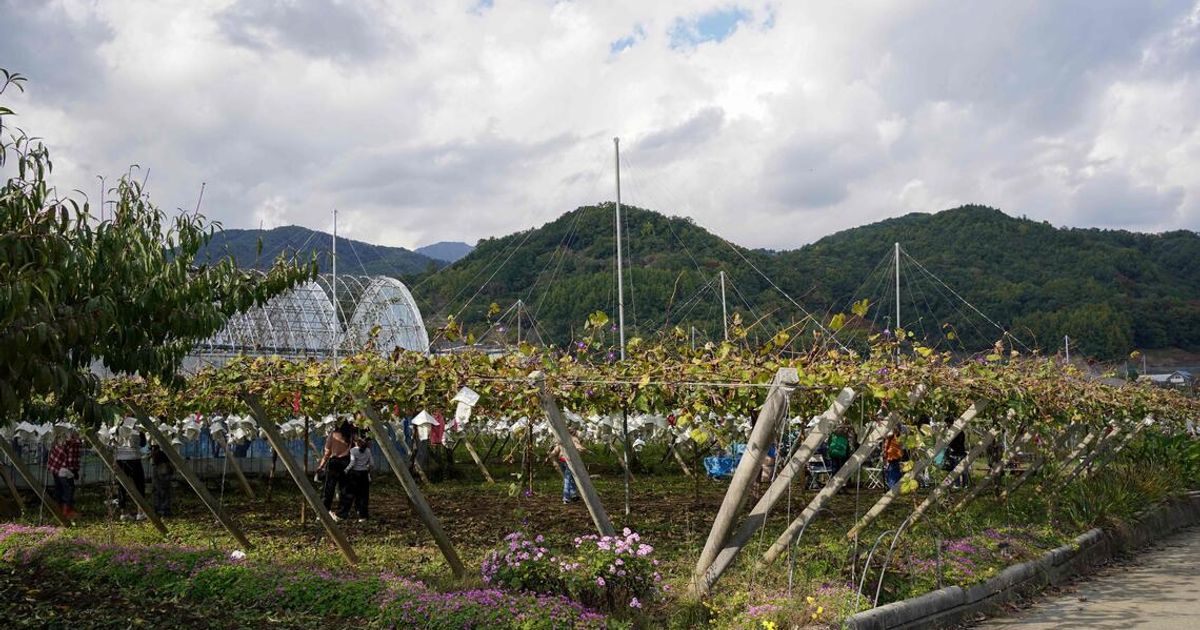
Japan's farmers now average about 68 years old, so who grows the country's food increasingly depends on migrant labour.
Source: Straitstimes


People organizing
Belgian unions shut the country's airports to fight government cuts to pensions and public spending (9). Stopping the flights shows how much of daily life rests on the work of baggage handlers, controllers and ground crews. Belgian workers have done this before: in the winter of 11960 HE (1960 to 1961) they fought the government's austerity law, the 'Loi unique', with a general strike that the country still calls the Strike of the Century.
Workers are using the strike to fight government cuts to pensions and public spending, and closing the airports shows how much depends on their labour.
Source: Al Jazeera
Rights and justice
Kenya's bill to track and price each person's internet use alarms campaigners, because Kenyans organised the 12024 HE protests against a tax bill mostly online (6). In South Africa, people born in the country live without citizenship and cannot enrol in school, work legally or vote, and their children inherit the same problem (10). Both stories are about who the state decides to count. South Africa knows the cost of getting this wrong: the apartheid government's Black Homelands Citizenship Act of 11970 HE (1970) took South African citizenship away from millions of Black people.
Kenyans organized the 12024 HE protests against a tax bill mostly online, so tracking and pricing each person's internet use affects privacy and protest.
Source: Al Jazeera
Without identity papers, stateless people struggle to enrol in school, work legally, open a bank account or vote, and their children inherit the same problem.
Source: Mail & Guardian

Science breakthroughs
A robot submarine found unexpected volcanic activity at the bottom of Earth's deepest trench (4), and researchers found that nitrogen blown through the air helps feed the ocean plankton that make about half of Earth's oxygen (5). Both findings show how much of the planet's life support is still unmapped. People first reached the floor of the Mariana Trench on 23 January 11960 HE (1960), when Jacques Piccard and Don Walsh dived in the bathyscaphe Trieste, and only a handful of crewed dives have followed.
Activity this deep changes what we know about Earth's hidden plumbing; humans first reached the trench floor only in 11960 (1960).
Source: Phys.org · World
Ocean plankton produce about half of Earth's oxygen, and nitrogen limits their growth, so knowing where it comes from matters.
Source: Phys.org · World


Good news
Nigeria is pushing to research and make its own vaccines (1), in a continent that imports about 99% of the vaccines it uses and was left last in line for COVID-19 shots. Making your own vaccines turns a country from a customer waiting in a queue into a producer that can protect its own people. The work is old and can be learned: Edward Jenner tested the first smallpox vaccine in 11796 HE (1796), and a vaccine campaign eventually wiped out the disease worldwide by 11980 HE (1980).
Africa imports about 99% of the vaccines it uses, a gap that left the continent last in line for COVID-19 shots.
Source: AllAfrica