Daily report ·
Europe's workers and students organize as record heat counts its dead

Across Europe, people are organizing in the streets while the continent counts its deadliest summer, and a Polish parliament moves because women spent years refusing to go home. Elsewhere, armies keep hitting the people least able to flee, and scientists keep finding the precise places where a disease or a prejudice can be undone.
War and occupation
Israel has sent its army into West Bank towns days before its own election (3), so Palestinian homes are once again the backdrop for Israeli campaigning, and in Sudan a BBC investigation finds RSF fighters deliberately targeted hospitals (10), a force that UN experts say has received weapons through the United Arab Emirates. Both stories describe armed power falling on civilians who cannot leave. The Fourth Geneva Convention, signed in 11949 HE, was written to protect exactly these people and the hospitals that treat them, and Israel's occupation of the West Bank has now outlasted that treaty's first 18 years by more than half a century.
Israel has occupied the West Bank since 1967, and Palestinian towns again face its army as Israeli politicians campaign for votes.
Source: Cna · West Bank
Deliberately attacking hospitals is a war crime under the Geneva Conventions, and in Sudan it removes care from millions already displaced by war.
Source: BBC · Sudan

The climate bill keeps arriving
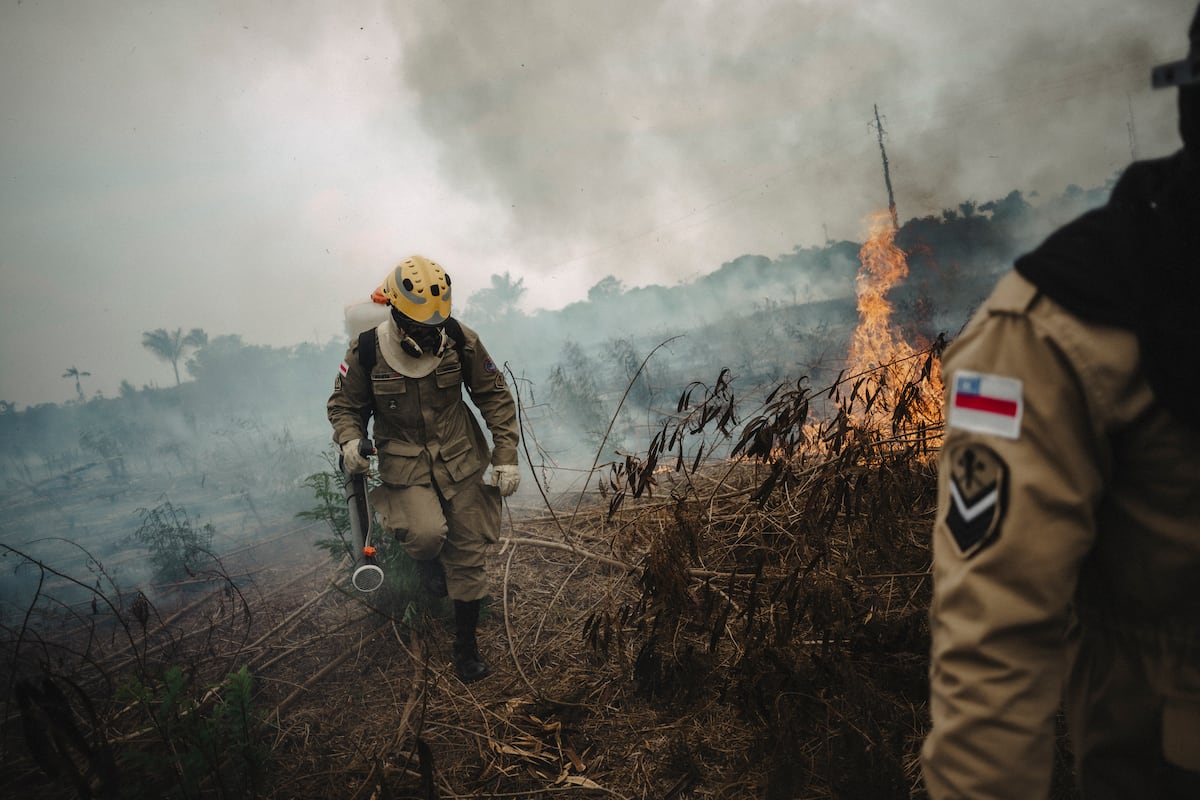
Europe's 2026 heat waves were the deadliest it has recorded (6), and in the Amazon, fires set by people clearing land are turning into drought-fed wildfires (15). Heat on one continent and fire on another are the same story told twice: a warmer world makes old risks larger. The 12003 HE European heat wave killed roughly 70,000 people, and it was treated then as a once-in-a-lifetime shock rather than as the first entry in a series.
Europe is the fastest warming continent, heating roughly twice the global average, and the death toll shows that heat now kills at scale.
Source: CBC · Europe
Most Amazon fires are lit by people clearing land, and drought turns them into wildfires that release carbon stored over centuries.
Source: El PaíS English · Brazil

Who profits
Barclays, a profitable bank, plans to cut 5,000 jobs and replace much of that work with AI (16). The question is not whether the software works but who keeps what it saves. In 11811 HE the Luddites, skilled English textile workers, broke machines not out of fear of technology but because the gains went entirely to mill owners while their wages collapsed, and that argument about who shares the profit of a new machine is the one still on the table.
A profitable bank is replacing workers with software, and the savings go to shareholders while the cost falls on the people losing their jobs.
Source: BBC · UK

People organizing
Greek teachers, workers and students are joining a Europe-wide protest wave with shared demands (2), and organizers in France are building a nationwide day of action to turn last week's anger into concrete demands the government must answer (7). This is coordination across sectors and borders, the slow work that makes a movement last. In May 11968 HE, about ten million French workers struck alongside students, and it remains the clearest precedent for what happens when classrooms and workplaces move together.
Greek teachers, workers and students are organizing together across sectors and borders, so this is a coordinated movement with its own demands, not scattered anger.
Source: World Socialist Web Site · Greece
A week after anger spilled into streets nationwide, organized protest is trying to turn it into demands the government must answer.
Source: BBC · France

Rights and justice
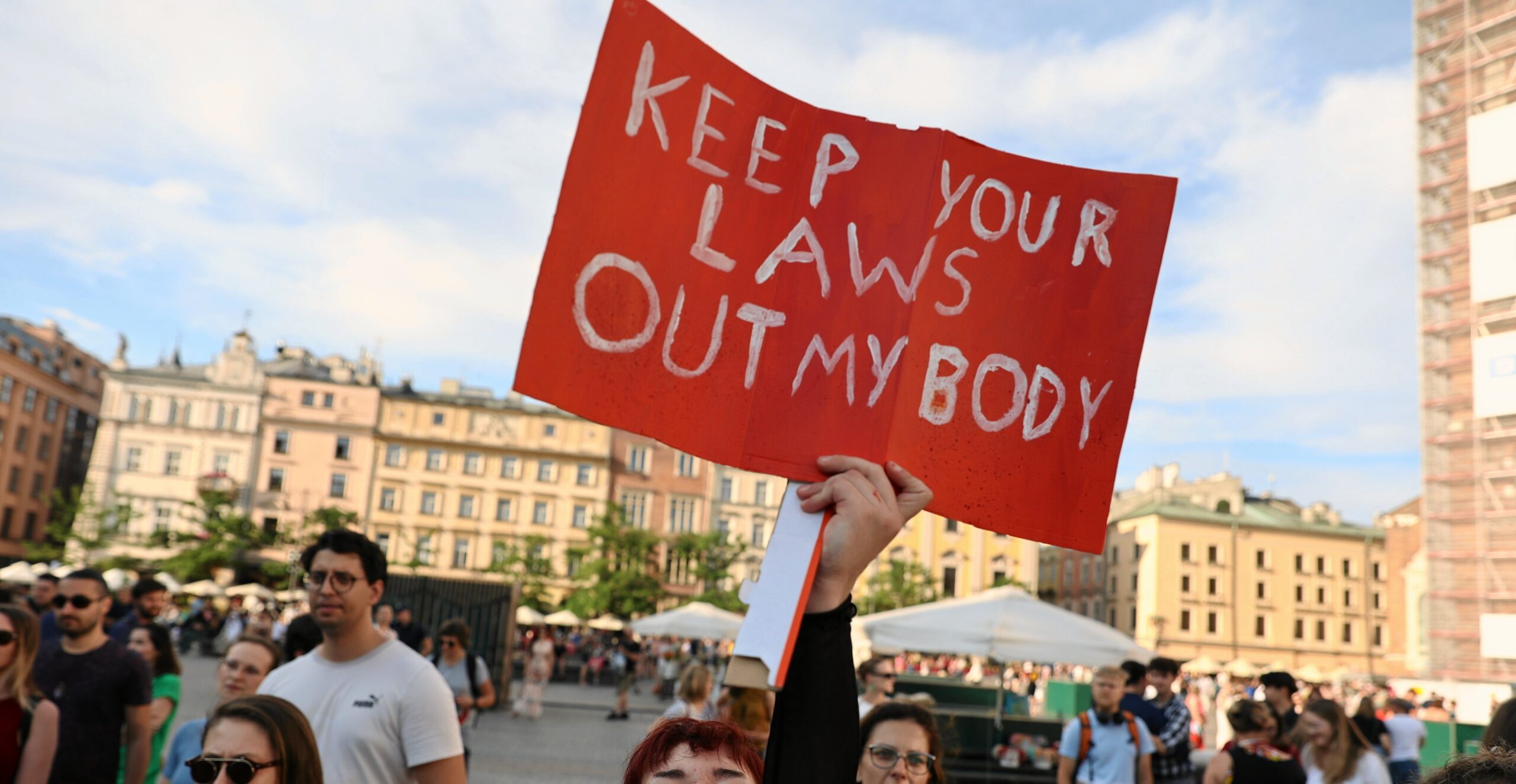
Poland's parliament has voted to loosen one of Europe's strictest abortion bans (12), and the vote belongs to the women who filled Polish streets year after year to demand it. Change came from below. Poland's 11993 HE law had allowed abortion in only three cases, a 12020 HE court ruling removed one of them, and the mass women's strikes that followed are what turned a ruling into a political cost no government could ignore.
Poland had one of Europe's strictest bans after a 2020 court ruling, and years of mass women-led protest pushed this vote.
Source: Notes From Poland · Poland
Health
France has recorded its first human case of Shamonda virus, and the patient has died (13). The virus is carried by tiny biting midges and was first isolated from cattle in Nigeria in the 11960s HE; its appearance in France is another sign that insect-borne disease is following warmer temperatures north. There is a clear precedent: bluetongue, another midge-borne livestock virus, reached the Netherlands in 12006 HE and spread across northern Europe within two years.
Scientists first isolated this midge-borne virus from Nigerian cattle in the 1960s, and its arrival in France shows insect-borne diseases moving north as Europe warms.
Source: Premium Times Nigeria · France

Science breakthroughs
A therapy brought 68% of trial patients into PTSD remission (4), researchers have pinned down where Alzheimer's tau proteins harden into tangles (5), and a 2016 study showed that ten-minute door-to-door conversations reduced anti-trans prejudice for at least three months (14). Each finds the exact point where a stubborn problem can be changed, while the PHP flaw (9) and grapes thriving under solar panels (11) show how much depends on small, precise fixes to large systems. PTSD only entered psychiatry's diagnostic manual in 11980 HE, largely through the organizing of Vietnam War veterans, so a cure rate like this one arrives less than half a century after the condition was formally named.
PTSD often lasts for years and resists current treatments, so a trial where most patients recovered is worth watching as larger studies follow.
Source: ScienceDaily · World
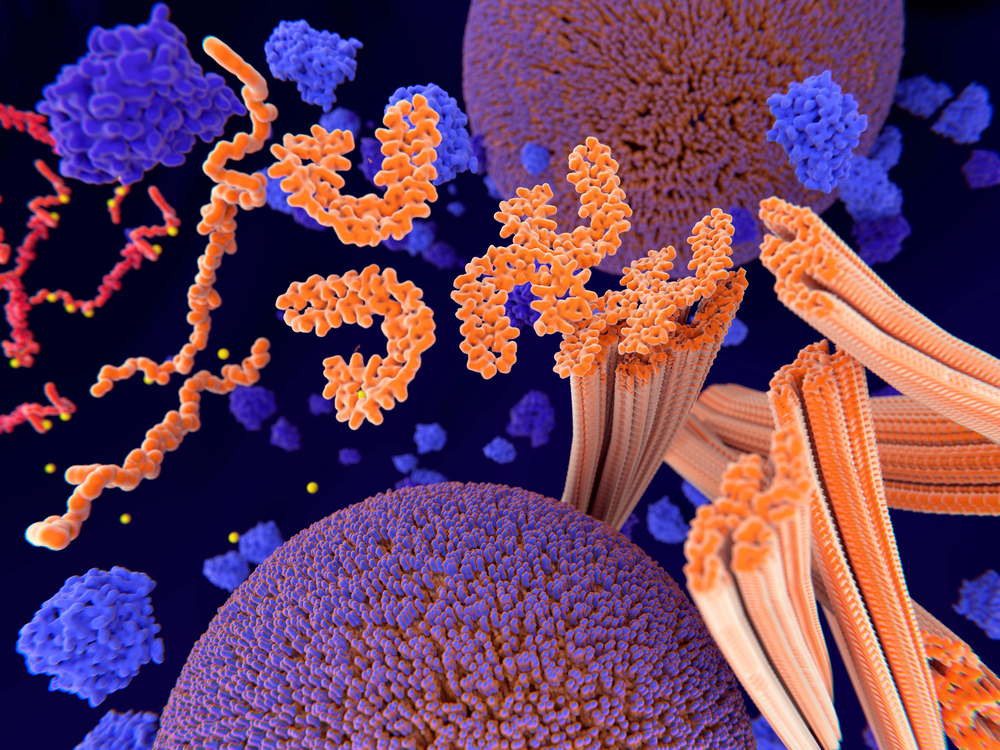
Knowing the exact point where tau proteins harden into tangles gives drug makers a precise target before brain damage becomes permanent.
Source: Optimist Daily · World
PHP runs on roughly three quarters of websites that use a known server language, so one flaw can expose a huge share of the web.
Source: BBC · World
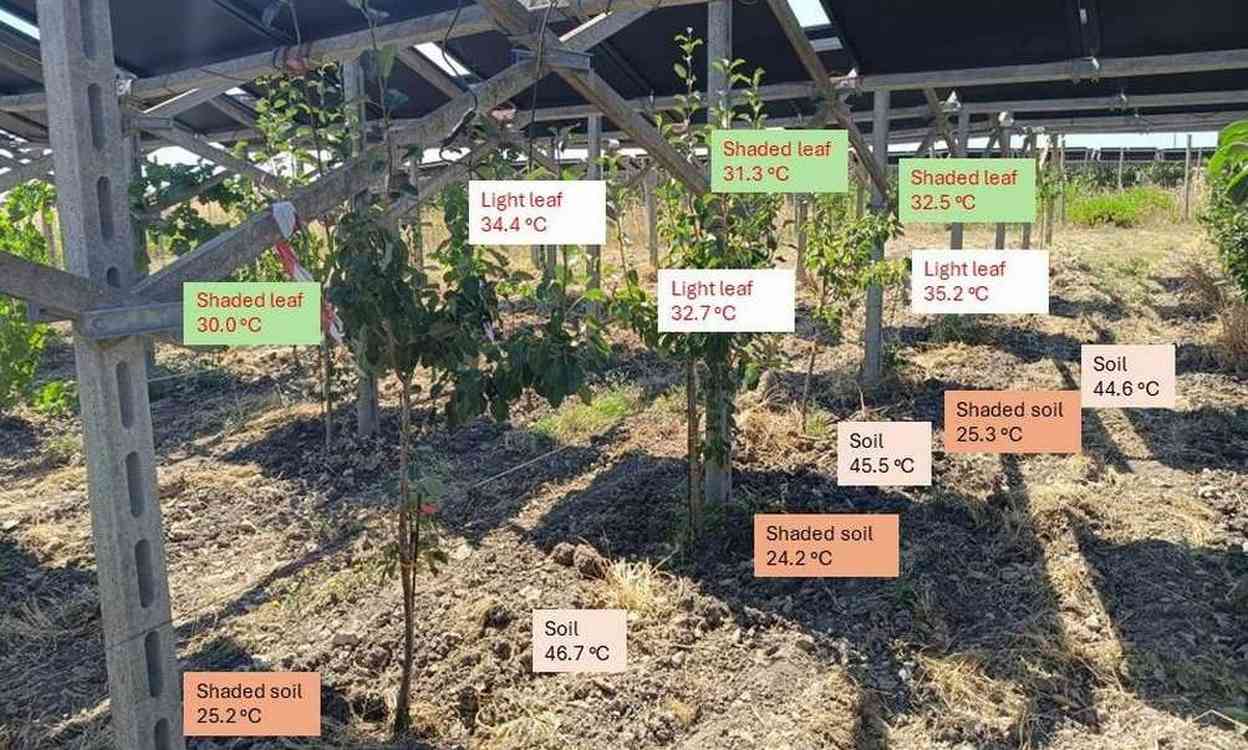
As summers get hotter, panels shield vines from heat stress, so one field can produce both electricity and a better harvest.
Source: Good News Network · World
A 2016 study in Science found ten-minute deep canvassing talks reduced anti-trans prejudice, and the effect lasted at least three months.
Source: Reasons to be Cheerful · World



Good news
The UK is putting £100m into a public lab that tests AI for biosecurity (1), while Kansas City neighbors are planting free orchards that other cities now copy (8). One is a government deciding who gets a head start in a dangerous race; the other is ordinary people planting food that will feed strangers for decades. Scientists set a precedent for the first in 11975 HE at the Asilomar conference, where biologists agreed on their own safety rules for genetic engineering before governments had written any.
AI can speed up the design of vaccines and of dangerous pathogens alike, so a public lab decides which race gets the head start.
Source: BBC · UK
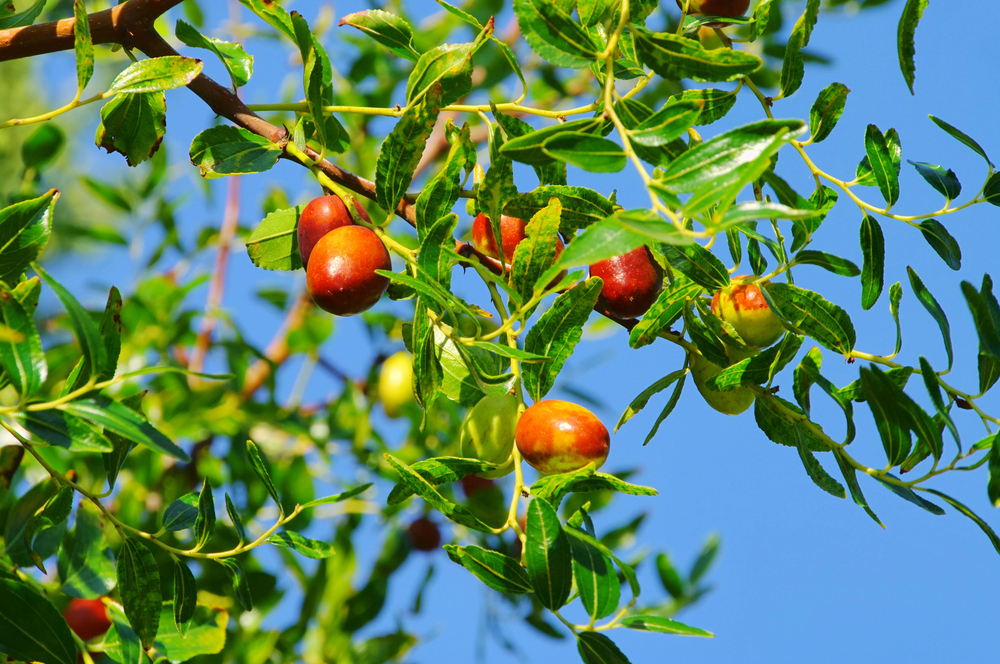
A fruit tree planted today can bear for decades, turning vacant lots into shared food, shade and a reason for neighbors to meet.
Source: Optimist Daily · Kansas City