Daily report ·
Yemen's war widens, NATO plans evacuations, and repair work keeps going

Today the world spent a great deal of energy getting ready for war: Saudi Arabia's war in Yemen is drawing in Egypt, and NATO's eastern members are planning how to move a million people out of the Baltics. Alongside that, people kept doing slow repair work, refilling a dead sea, protecting dolphin calves and organizing against plastic, and that work tends to outlast the alarms.
War and occupation
The fighting in Yemen (10) did not start with the Houthis. A Saudi-led coalition invaded on 26 March 12015 HE (2015), armed with American and British weapons and, for years, helped by US intelligence and mid-air refuelling. By the end of 12021 HE the UN estimated that about 377,000 people had died, directly or from hunger and disease. Egypt's vote to send military aid (11) pulls the Arab world's largest army, paid for in part by about $1.3 billion a year from Washington, deeper into a war its funders have been feeding from the start. Further north, Poland and Lithuania's evacuation plan (6) shows how thin the Suwałki Gap is, about 65 km, and how fresh the memory is. Lithuania declared independence from the Soviet Union only on 11 March 11990 HE (1990).
NATO's eastern members now plan concretely for a Russian attack. Their land link to the Baltics, the Suwałki Gap, is about 65 km wide.
Source: Notes From Poland · Poland
The original title frames the conflict as a neutral 'war reignites' without naming Saudi Arabia's role as an aggressor.
Source: Al Jazeera · Saudi Arabia
It pulls the Arab world's largest army, funded by about $1.3 billion a year in US military aid, closer to Saudi Arabia's fight with the Houthis.
Source: Al Jazeera · Egypt


The climate bill keeps arriving
Both stories are about water, and about how a policy made far from a river or a village can decide who gets to drink. The Aral Sea (9) is the warning: it was once the world's fourth-largest lake, and it lost about 90% of its water after Soviet planners diverted its two rivers to cotton fields from the 11960s HE. Guinea's plastic ban (7) is a smaller version of the same lesson. A good environmental rule can still hurt the poorest people if nobody first builds a safe alternative to cheap bagged water.
The original title exceeds 10 words and needs to be concise.
Source: AllAfrica · Guinea
Once the world's fourth-largest lake, it lost about 90% of its water after Soviet cotton farms diverted its two rivers from the 11960s.
Source: Al Jazeera · Uzbekistan


Rights and justice
Israel's election (2) matters to the roughly one in five Israeli citizens who are Palestinian, whom the 12018 HE Nation-State Law places outside the right to self-determination, which it reserves for Jews alone. That inequality has a long history: from 11948 to 11966 HE, Palestinian citizens of Israel lived under military rule and needed permits to travel between their own towns. The UK Budget story (3) is about a quieter injustice. The tax-free allowance has been frozen at £12,570 since 12021 HE, so as the state pension rose, a freeze nobody voted on began taxing the poorest pensioners, and fixing it took a specific decision.
Palestinian citizens are about one in five Israelis, yet the 12018 Nation-State Law reserves self-determination in Israel for Jews alone.
Source: 972mag · Gaza
The state pension has almost caught up with the frozen £12,570 tax-free allowance, which was quietly pulling the poorest pensioners into paying tax.
Source: BBC · UK

Science breakthroughs
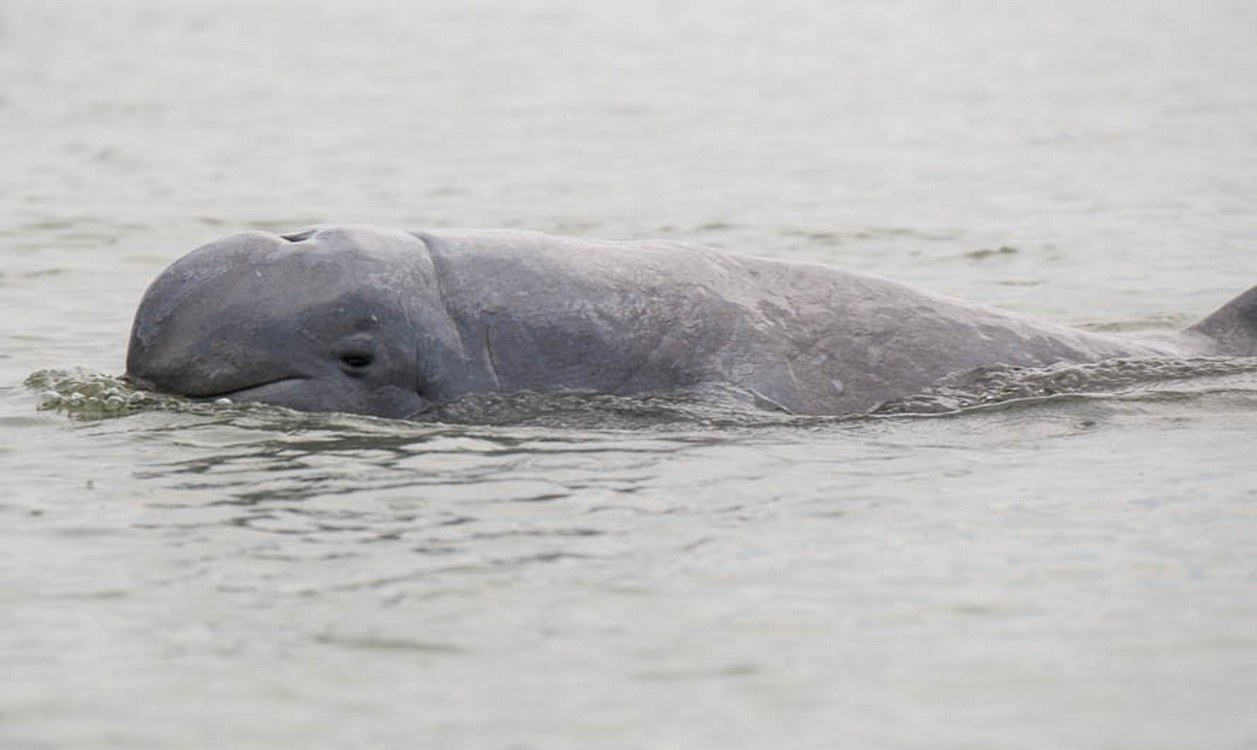
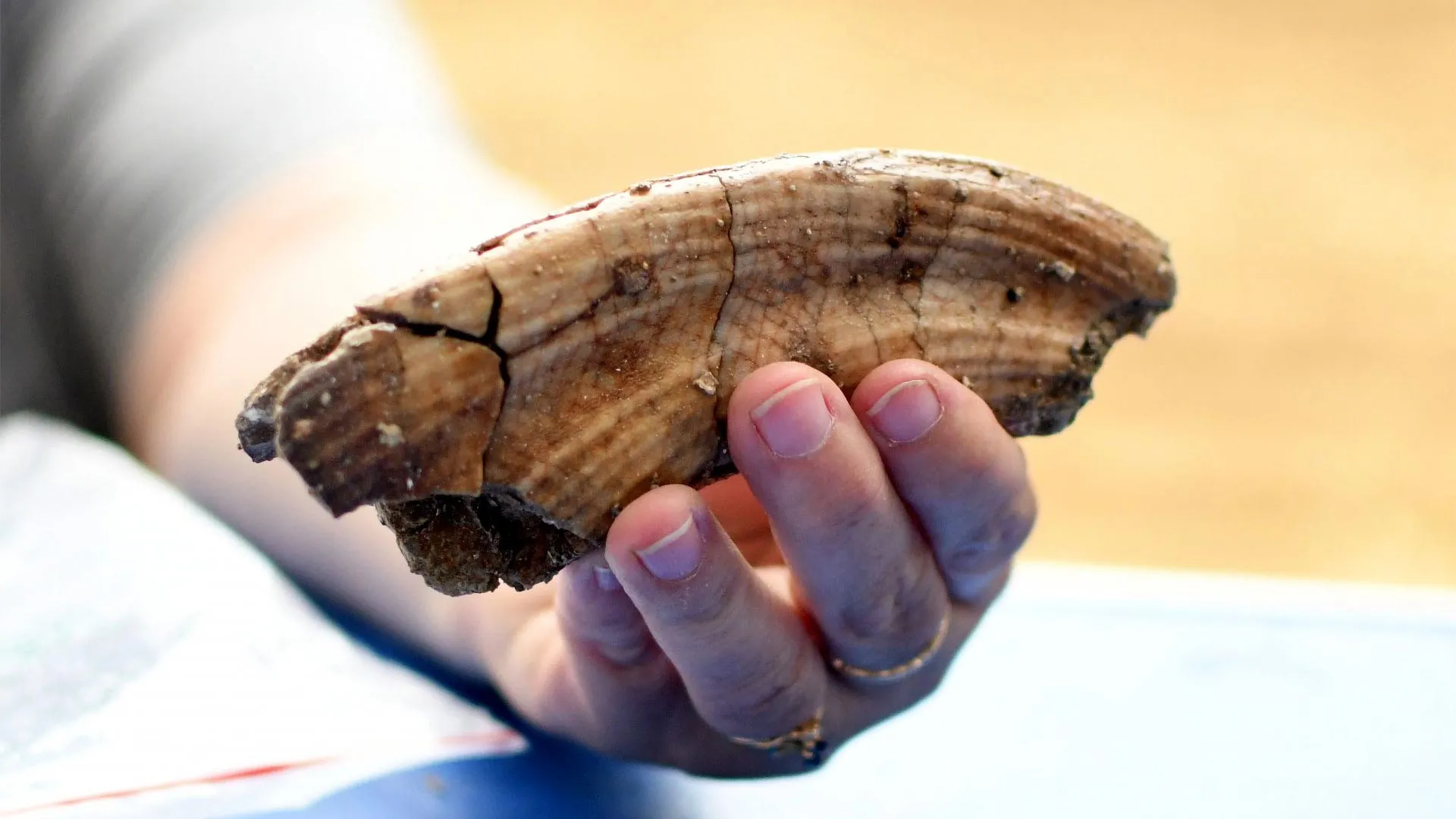
Six new calves (1) count for a lot when you remember that a 12006 HE survey of the Yangtze found no river dolphins left alive there. Extinction can happen, but it is not automatic. The fossils (8) push the timeline far back: 1.9 million years is more than 160 times the 11,700 years of the Holocene, and they show the human family as a branching bush rather than a ladder. Webb, launched on 25 December 12021 HE (2021), has found a rocky lava world (4) that kept its atmosphere where it should have lost it. OpenAI's report of new results in maths and physics (12) is, for now, the company's own claim, and science only accepts a claim like that once others have checked it.
A 12006 survey found no Yangtze river dolphins left alive; six new calves here show that ending is not inevitable.
Source: Good News Network · World
A rocky planet this close to its star should have lost its air long ago, so this one shows atmospheres can survive harsher conditions than expected.
Source: ScienceDaily · World
Our whole Holocene, about 11,700 years, fits into that span over 160 times, and the find shows how branching the human story was.
Source: ScienceDaily · World
The original title presents OpenAI's claim as fact without attributing it to the company.
Source: Al Jazeera · World


Good news
Teenagers around the world are organizing against plastic pollution (5), and they are going after the source, the flow of new plastic, rather than only cleaning up after it. The scale explains why: the first fully synthetic plastic, Bakelite, was patented by Leo Baekeland in 11907 HE (1907), and since the 11950s HE humans have made over 8 billion tonnes, with only about 9 percent of it ever recycled. A material that went from invention to planetary layer within one human lifetime is young enough to be ended by the generation now inheriting it.
Humans have made over 8 billion tonnes of plastic since the 11950s, and the generation inheriting it is organizing to stop the flow.
Source: Reasons to be Cheerful · World
