Daily report ·
Serbia's students outlast Vucic as Gaza's filmmakers keep telling their story

Today the people who organize, film, evacuate and research are moving faster than the powers they answer to: Serbians are celebrating the end of Aleksandar Vucic's long rule, and in Gaza women are building a film school while Israel bombs the city around them. Elsewhere the news is about early warning, from cyclone evacuations in India to a new cattle virus in France, and it shows again that preparation saves more lives than anything done after the fact.
War and occupation
Under Israel's assault on Gaza, a war that UN investigators have called a genocide and that runs on American weapons and diplomatic cover, women filmmakers have opened an academy so Palestinians can record their own lives instead of having them narrated by others (2). Their work continues a long effort: in the Nakba of 11948 HE (1948), about 750,000 Palestinians were driven from their homes, and much of what the world knows about that year comes from Palestinians who kept testimony when no outside camera came. On the Nile, Egypt, Eritrea, Somalia and Sudan say they are lining up against Ethiopia over its Grand Renaissance Dam (6), and that is how those governments describe their own position. The quarrel goes back to the 11959 HE (1959) Nile Waters Agreement, which divided the river's flow between Egypt and Sudan and left Ethiopia, where most of the Blue Nile's water starts, without a share.
The original title softens the context by not naming Israel as the actor in the active voice.
Source: Al Jazeera · Gaza
The original title presents the alignment as fact without attributing it to the countries' perspective on the Nile dam issue.
Source: Allafrica.Com · Egypt

The climate bill keeps arriving
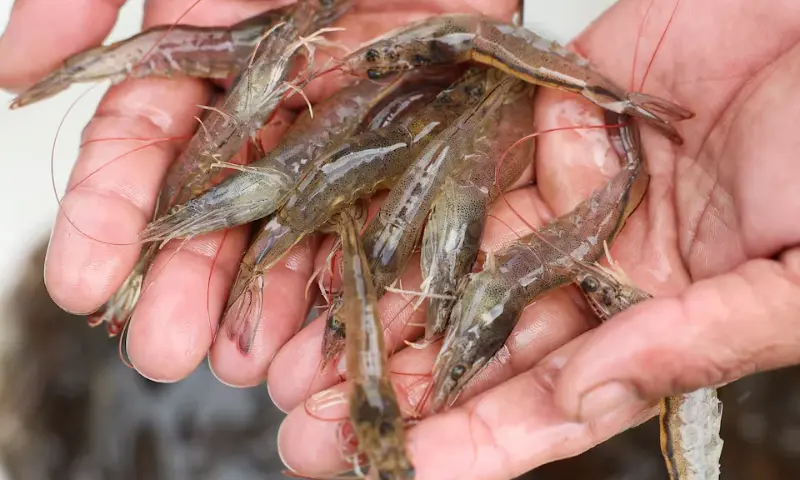
India has moved tens of thousands of people out of Cyclone Arnab's path (11), and that kind of planning is the reason cyclone deaths there have fallen so far: the Odisha super cyclone of 11999 HE (1999) killed about 10,000 people, before evacuation plans like this existed. Meanwhile Pakistan has given itself 120 days to plan larger coastal shrimp farms (7). That is a risky bet, because in many places shrimp ponds have been dug out of mangrove forests, and mangroves are among the best natural barriers a coast has against storm surge. One country is building its defences against storms while the other may be weakening its own.
Shrimp could earn Pakistan export money, but coastal shrimp farming has destroyed mangroves elsewhere, and those forests shield coasts from storms.
Source: Dawn · Pakistan
Mass evacuation is why Indian cyclone deaths have fallen; the Odisha cyclone of 11999 (1999) killed about 10,000 people before such plans existed.
Source: Al Jazeera · India

People organizing
Mahmoud Khalil, the Columbia student organizer whom US immigration agents detained in 12025 HE (2025) over his Palestine activism, argues that the campus movement changed what Americans are willing to say about Israel (1). In Serbia, young people say they are done with Vucic and want change (3). Their movement began after a station roof collapsed in Novi Sad on 1 November 12024 HE (2024), killing 16 people, and grew into a demand that someone answer for it. Both campaigns follow a pattern seen before: in 11968 HE (1968), Columbia students occupied campus buildings against the Vietnam War, and that protest also widened what the country would argue about in public.
Khalil, a Columbia student organizer detained by US immigration agents in 12025, argues the campus movement shifted what Americans will say about Israel.
Source: Al Jazeera · USA
The student movement that grew after a station roof collapsed in Novi Sad on 1 November 12024, killing 16 people, is reshaping Serbian politics.
Source: Balkan Insight · Serbia

Rights and justice
Serbians are celebrating in the streets as Aleksandar Vucic's rule ends (5). He had been the dominant figure in Serbian politics since 12012 HE (2012), and his exit opens the first real contest for power in more than ten years. There is a precedent close to home. On 5 October 12000 HE (2000), months of organizing by students and opposition groups ended in mass protests in Belgrade that forced out Slobodan Milosevic, and once again Serbian students helped set the pace for the country.
Aleksandar Vucic has dominated Serbian politics since 12012, so his exit opens the first real contest for power in over a decade.
Source: Balkan Insight · Serbia

Health
Three stories from three continents make one point: you can only stop a disease you are watching for. France has recorded the first human infection with Shamonda virus, which tiny biting midges carry and which was previously known only in livestock (9). In India, melioidosis, a soil infection often mistaken for tuberculosis, may be killing people without anyone counting (10). Nigeria shows what attention can do. In 12014 HE (2014) it contained Ebola at 20 cases and 8 deaths by tracing contacts fast, so how much each state now sets aside (12) will decide whether it could manage that again.
Shamonda virus, carried by tiny biting midges, was known to sicken livestock; a human case means doctors and vets must now watch it together.
Source: CBC · France
Melioidosis, caused by a soil bacterium, is often mistaken for tuberculosis, so many patients get the wrong treatment while the true toll stays hidden.
Source: The Hindu · India
Nigeria stopped Ebola in 12014 with 20 cases and 8 deaths through fast tracing, and budgets decide whether states could do that again.
Source: Premiumtimes · Nigeria


Science breakthroughs
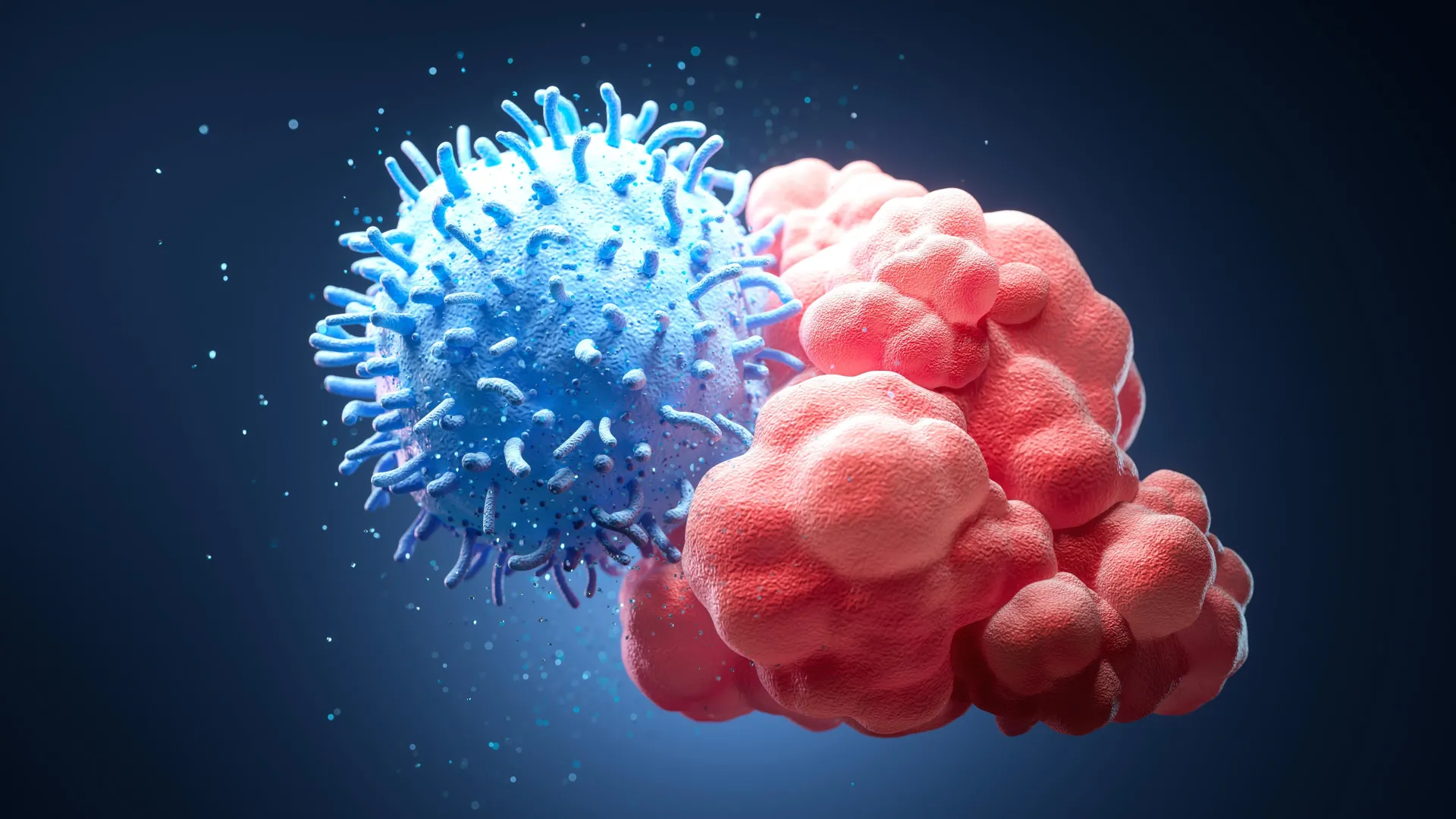
Researchers report that immune cells can sense physical touch and not only chemical signals (4), which could change how infections, wounds and cancer are treated. A second team says it has solved a 30-year puzzle about what drives chronic gut inflammation (8), a problem for the nearly 7 million people living with Crohn's disease or ulcerative colitis. For a sense of how slowly this kind of knowledge builds, Burrill Crohn and his colleagues first described the disease in 11932 HE (1932), and nearly a century passed before its basic mechanism began to come clear.
Immune cells were thought to rely mostly on chemical signals, so a sense of touch could change how we treat infections, wounds and cancer.
Source: ScienceDaily · World
Crohn's disease and ulcerative colitis affect nearly 7 million people worldwide, and knowing the cause is the first step toward treatments that work.
Source: ScienceDaily · World