Daily report ·
Ebola passes 10,000 cases as Germans protest the cost of living
Africa's health agency says it is not winning against Ebola, German protesters are pressing on what ordinary life now costs, and nations are again being measured on promises to the living world. Read together, today's news asks an old question: who pays for what we say we value, and when?
The climate bill keeps arriving
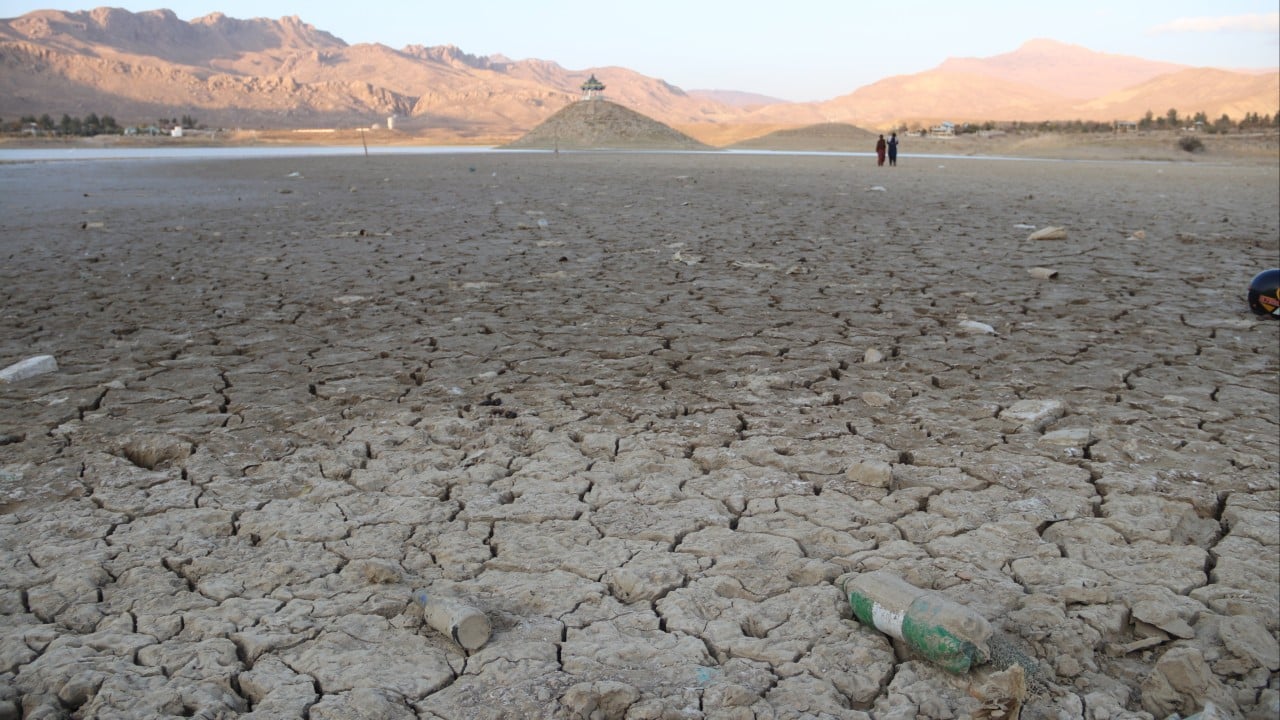
The biodiversity pledge (10) meets a familiar test: in 12010 nations agreed on the 20 Aichi biodiversity targets for 12020, and the UN's own review found that none was fully met. That record is why the 30 percent promise for 12030 will be judged on money and enforcement. Poland's fast-track zones (12) are smaller but more tangible, because a permit that clears faster is a change in how a coal-dependent country actually works.
In 12022 nations promised to protect 30 percent of land and sea by 12030, and pledges only count when money and enforcement follow.
Source: SCMP · World
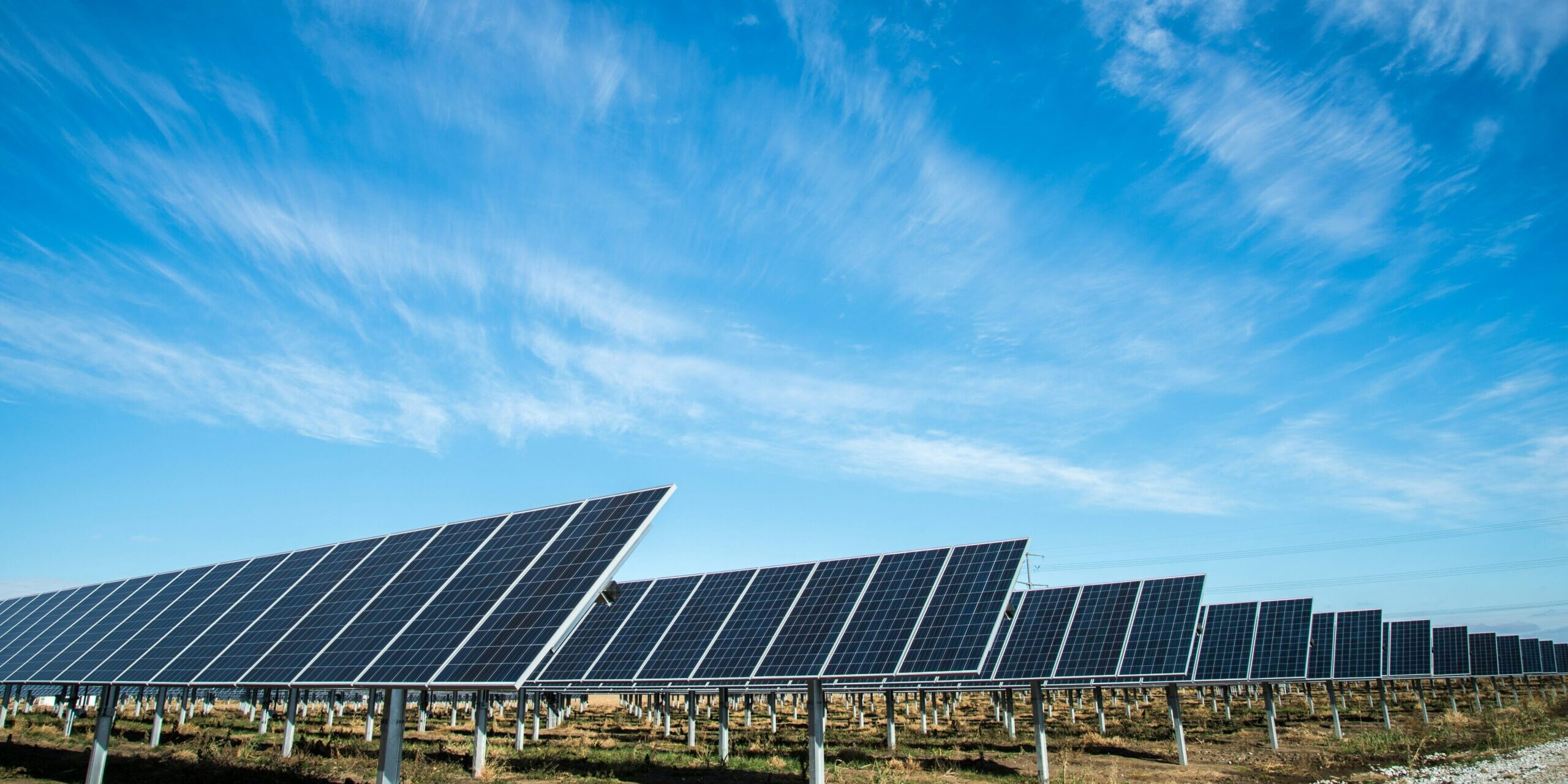
Slow permits hold back wind and solar, so faster approvals matter in Poland, one of Europe's most coal-dependent countries.
Source: Notes From Poland
Who profits
Timor-Leste became independent in May 12002, after more than four centuries of Portuguese colonial rule and an Indonesian occupation that began in 11975. Chinese investment (3) is arriving in a country with a long and costly memory of outsiders setting its terms. New roads and buildings are real gains, and the question for the Timorese is how much say they keep over what those gains cost.
Removed clickbait question mark and shortened the title to meet style guidelines.
Source: Straitstimes
People organizing
The German protests (6) began with rising living costs, and that cause should not vanish behind the looted shops. Prices have moved people for a long time: in October 11789 the women of Paris marched on Versailles over bread. The artists of Singapore (11) stand in another old line, that of the English Luddites of 11811, skilled workers who fought for their livelihoods as machines were used to undercut them, while Ukrainian families reunited after years under Russian occupation (2) show what ordinary people will endure to hold on to each other.
Russia's full invasion in 12022 split families across front lines, and every reunion is a reminder of how many remain cut off.
Source: BBC · Ukraine
The original framing focuses on looting rather than the protests' cause, which is rising living costs.
Source: BBC · Germany
Shortened the title to meet style guidelines.
Source: Cna


Health
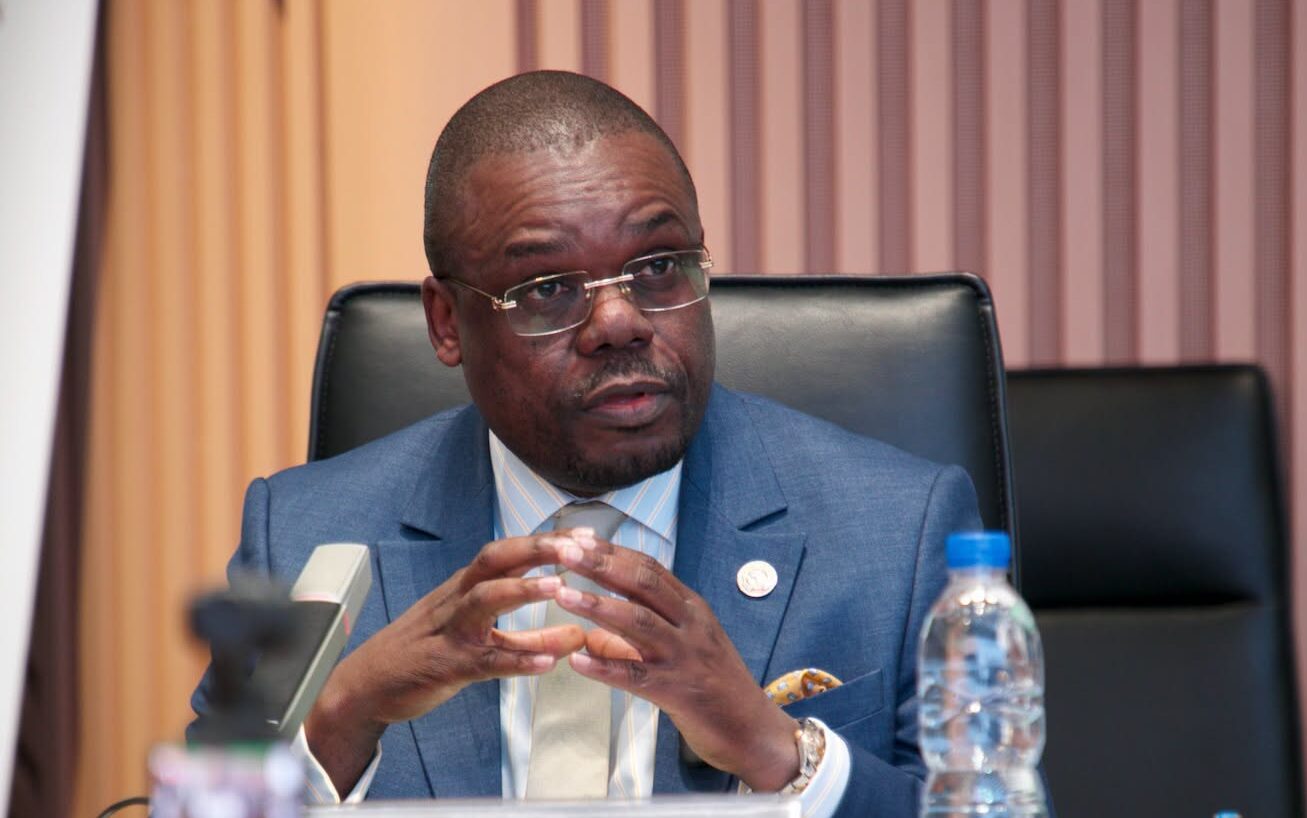
Passing 10,000 cases (9) makes this the largest Ebola outbreak on record except West Africa's, which reached about 28,600 cases between 12014 and 12016. The virus was identified only in 11976, so nearly all of this history fits inside one human lifetime. When Africa CDC says it is not winning, that is a warning issued while there is still time to act on it.
Scientists identified Ebola in 11976, and the worst outbreak, West Africa from 12014 to 12016, reached about 28,600 cases. Africa CDC is warning this fight is slipping.
Source: Premium Times Nigeria · Africa
Science breakthroughs
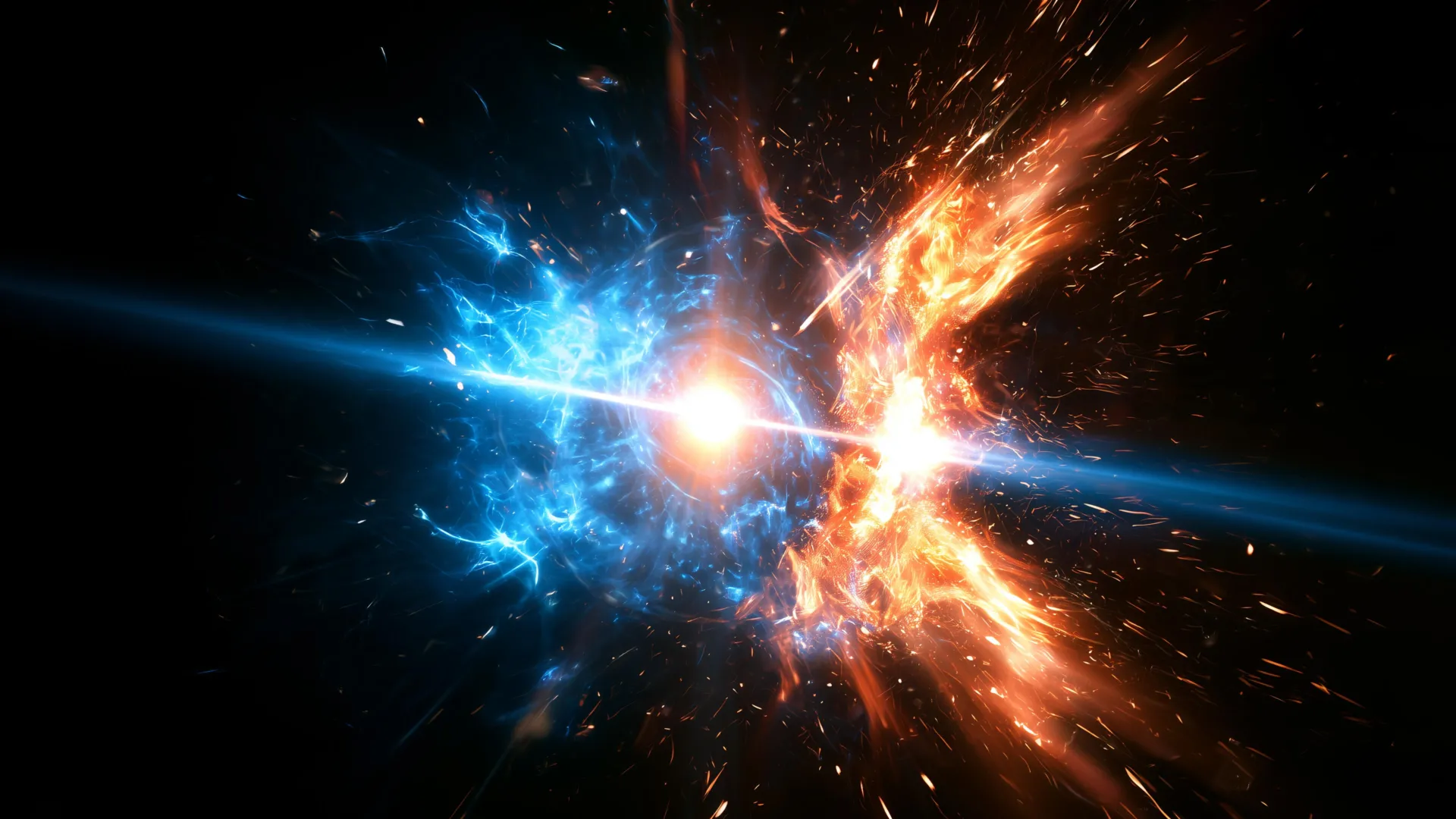
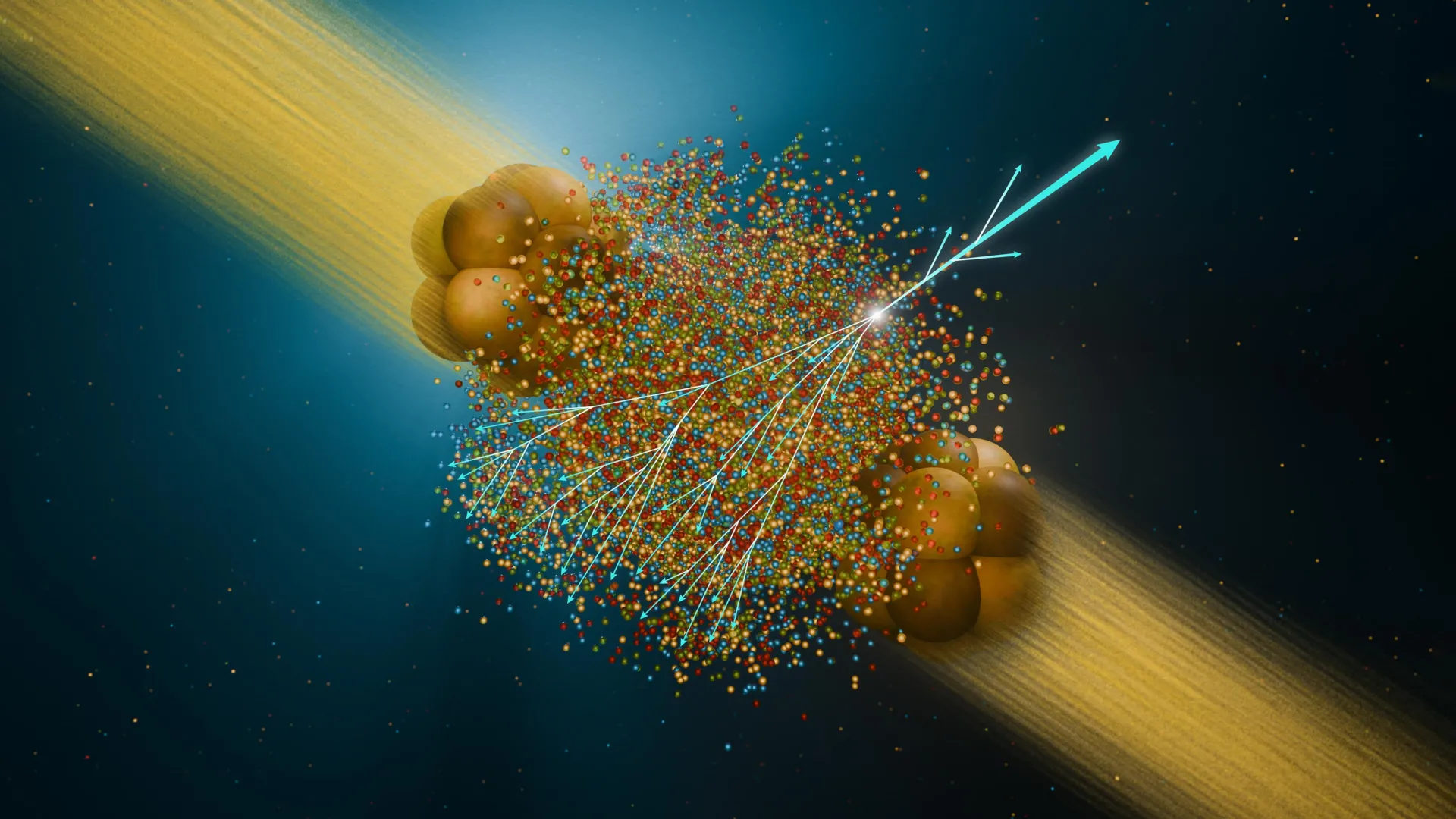
Carl Anderson found the positron, the first known antimatter particle, in 11932, and physicists still cannot say why matter survived its meeting with antimatter (4) in a universe about 13.8 billion years old. The oxygen collisions (7) chase the same early moments, when the particle soup that became protons and neutrons was still hot. The viral gene (5) and the AI enzyme tool (8) work at the other end of the scale, showing how the molecular machinery of life took shape and how we might begin to design it ourselves.
The Big Bang should have made equal matter and its opposite, antimatter, which destroy each other. Why anything survived remains among physics' biggest open questions.
Source: ScienceDaily · World
Potassium channels are tiny gates that let nerves fire and hearts beat, so a viral version hints at how such machinery took shape.
Source: Phys.org · World
Microseconds after the Big Bang, matter was a searing particle soup. Recreating it helps show how protons and neutrons, building blocks inside us, first formed.
Source: ScienceDaily · World
Enzymes are proteins that speed up chemistry in living things, so designing them faster could mean new medicines and cleaner industrial processes.
Source: Phys.org · World


Good news
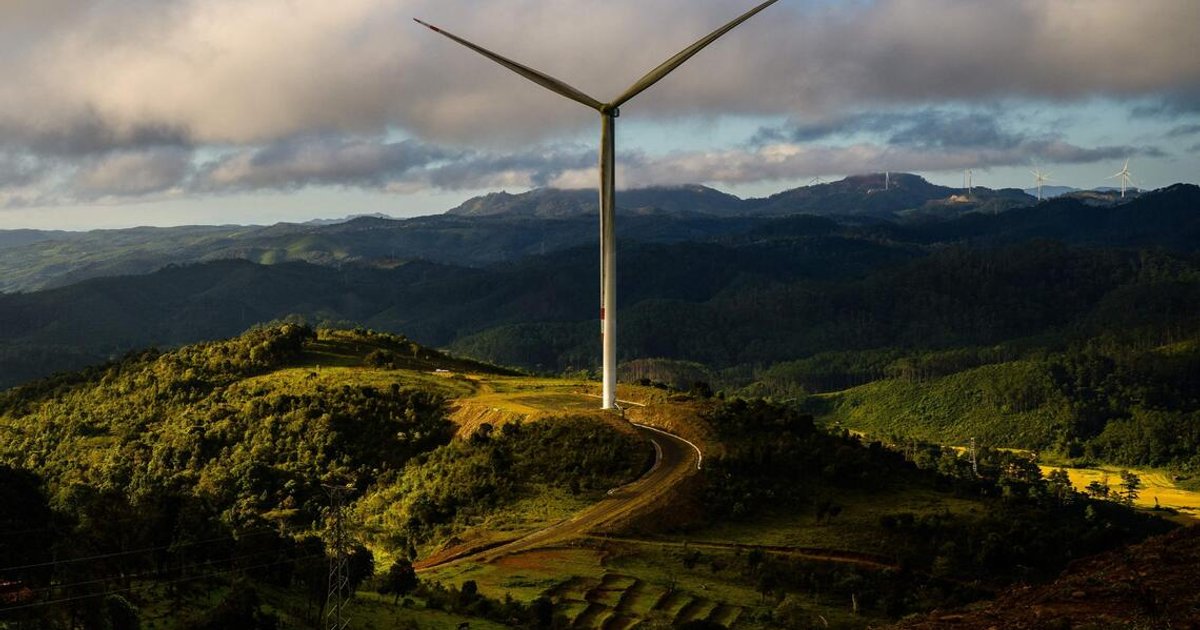
Laos, long reliant on hydropower dams, is betting on wind, which could steady supply when drought leaves rivers low.
Source: Straitstimes