Daily report ·
Hungry workers, burning peat and thawing ground show who pays the cost
Today's news keeps returning to the same question: who carries the cost of the systems we have built? Garment workers who cannot afford food, neighbours breathing smoke from drained swamps, and journalists jailed for reporting all point to it, while cash for families, new science and a court ruling show how that cost can be shared more fairly.
War and occupation
The Kremlin says US, Russian and Ukrainian negotiators will meet in Abu Dhabi (13), but on Moscow's own account the talks depend on how things stand on the battlefield. That means the war Russia launched in February 12022 HE (2022) goes on while the diplomats wait. There is a precedent for this: Korean War talks opened in July 11951 HE (1951) and dragged on for two years of fighting before the armistice of July 11953 HE (1953), so a date for talks is not a ceasefire.
By its own account Moscow ties the talks to battlefield conditions, meaning the war it launched in February 12022 continues while diplomats wait.
Source: Meduza
The climate bill keeps arriving
Two stories show the same strain on land and energy. Indonesia's drained peat swamps, cleared for palm oil and paper, are burning again and sending smoke across the border (3), while a physicist warns that one planned Canadian data centre would use as much energy each day as 23 Hiroshima bombs (12). The scale of the risk is known: the 12015 HE (2015) haze from these same fires is estimated to have caused about 100,000 early deaths, a reminder that the price of cheap commodities and cheap computing often lands in other people's lungs and power bills.
Drained swamp soil, much of it cleared for palm oil and paper, catches fire; the 12015 HE haze caused an estimated 100,000 early deaths.
Source: BBC · Indonesia
He compares its daily energy to 23 Hiroshima bombs, as AI data centres increasingly compete with homes for the same electricity.
Source: CBC · Canada


Who profits
Garment workers in Bangladesh say their wages no longer buy food (2), in the world's second biggest clothing exporter after China. The shirts in Western shops rest on a wage floor set far below the cost of living. The industry has been warned before: on 24 April 12013 HE (2013) the Rana Plaza factory building near Dhaka collapsed and killed more than 1,100 garment workers, and the promises made after that disaster are measured by whether the people who sew our clothes can eat.
Bangladesh is the world's second biggest clothing exporter after China, so the shirts in Western shops depend on workers who cannot afford to eat.
Source: Al Jazeera

Rights and justice
Israel has arrested an Al Jazeera journalist in the occupied West Bank (6). During Israel's genocide in Gaza, the deadliest period for journalists the CPJ has ever recorded, raids like this silence the people still reporting. Elsewhere the US Supreme Court refused Trump's bid to stop California counting disputed ballots (7), and New Zealanders are choosing a government on rent, wages and the weekly shop (14), both reminders that people's rights depend on whether institutions hold firm. Under all of it, the ground is literally moving: Arctic soil frozen since before the Holocene began, about 11,700 years ago, is thawing into giant landslides (10) that threaten the roads and towns built on it.
During Israel's genocide in Gaza, the deadliest period for journalists the CPJ press freedom group has recorded, West Bank raids silence those still reporting.
Source: Al Jazeera
The ruling keeps disputed ballots in the count, a check on a president trying to shape an election result through the courts.
Source: BBC · California
Ground frozen since the last ice age is giving way as the Arctic warms, reshaping slopes and threatening the roads and towns built on it.
Source: Sciencenews
Voters are judging parties on whether ordinary people can afford a home and a weekly shop, the pressure shaping elections across rich countries.
Source: Straitstimes



Science breakthroughs
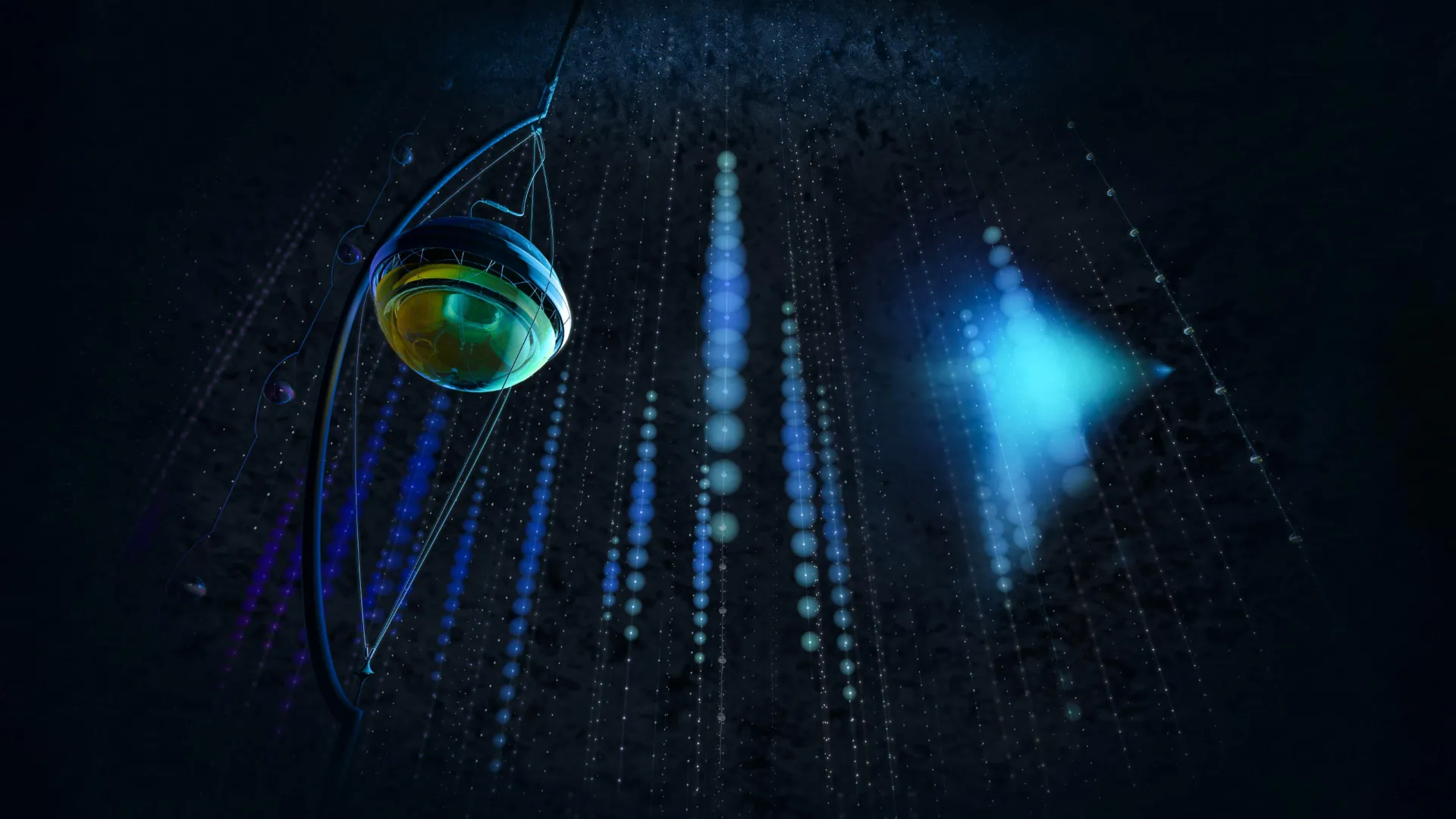
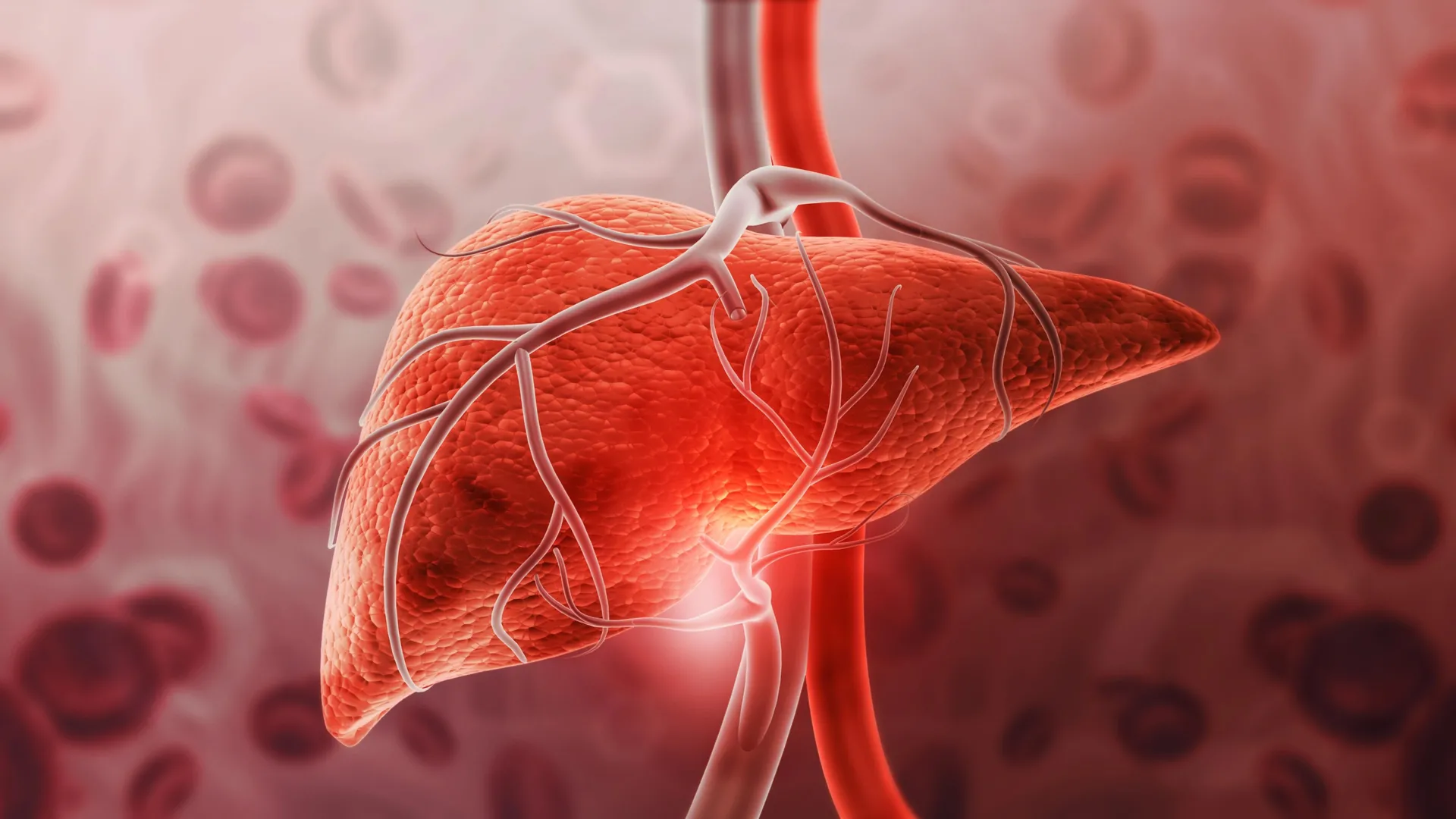
Today's research ranges from the newborn to the cosmos. Giving families cash helps more babies survive their first, most dangerous weeks (1), aged liver cells made younger cut an Alzheimer's-linked protein by half in early lab work (8), and resting stem cells may keep the bone marrow renewing blood for life (11). Above it all, a detector buried in Antarctic ice caught neutrinos carrying ten billion times the energy of the Sun's (4). These are particles physicists Clyde Cowan and Frederick Reines first detected only in 11956 HE (1956), and seventy years later they can be traced back to the universe's most violent engines.
The first weeks of life are the most dangerous, and this suggests money in parents' hands works like medicine where food, transport and care cost too much.
Source: Sciencenews · World
These almost massless particles, called neutrinos, carry ten billion times the energy of the Sun's, pointing back to the universe's most extreme engines.
Source: ScienceDaily · Antarctica
It hints that keeping the body's organs young could protect the brain, though this is early lab work and far from a treatment.
Source: ScienceDaily · World
Bone marrow makes billions of new blood cells every day, and a resting backup supply could guide treatments for marrow failure and ageing blood.
Source: Phys.org · World


Good news
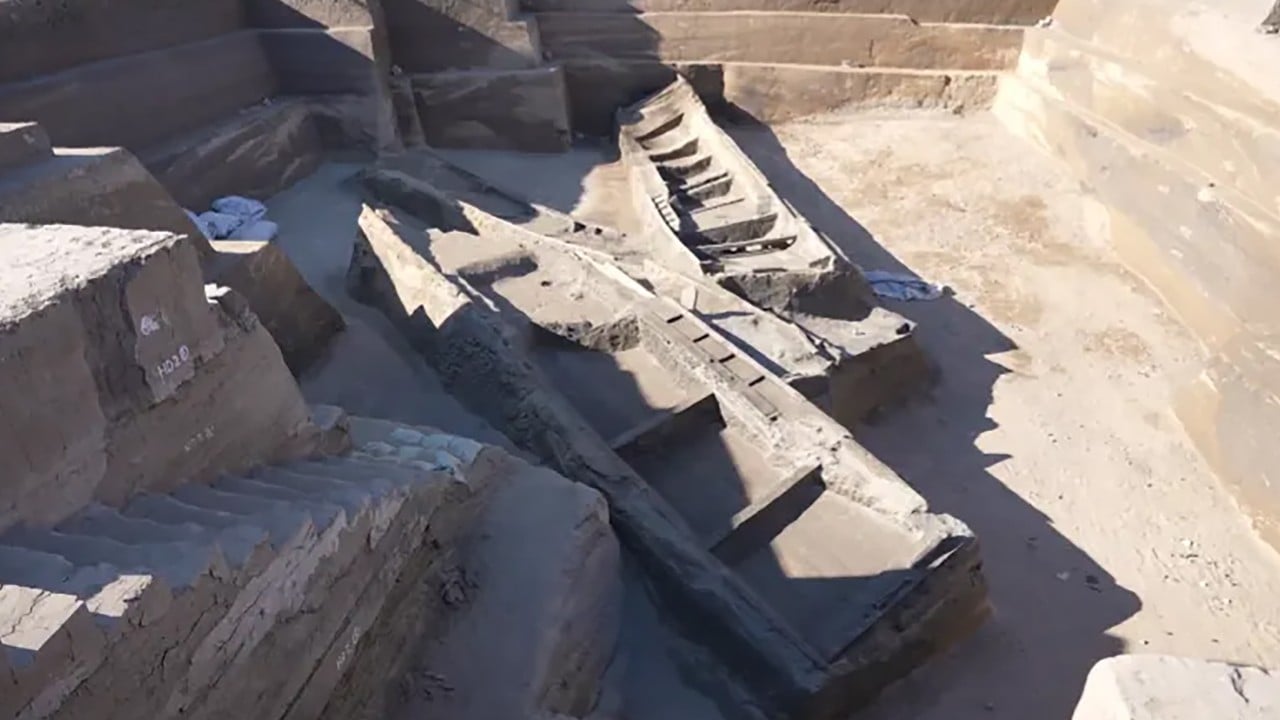
An African health plan targets heart disease, injuries and mental health (5), recognising that long-term illness is rising fast across the continent and cannot be treated by ministries working alone, without roads, food and schools. In Beijing, an 1,800-year-old ship find (9) invites comparison between Han China and Rome, the two great empires of their age. They were not strangers: Chinese chronicles record a Roman envoy reaching the Han court in 10166 HE (166), proof that people were building connections across the whole of Eurasia long before anyone called it globalisation.
Long-lasting illnesses like diabetes, cancer and heart disease are rising fast across Africa, and health ministries cannot tackle them alone without transport, food and education.
Source: AllAfrica · Africa
Han China and Rome were the two great empires of their age; Chinese chronicles record a Roman envoy reaching the Han court in 10166 HE (166).
Source: Scmp