Daily report ·
Grieving mothers, campaigners and new voters press power to answer for itself
Across very different places today, people are holding power to account: mothers in Iran, campaigners in Indonesia, voters in New York and South Carolina, and even former Israeli commanders standing between settlers and Palestinian farmers. Meanwhile the science pages remind us how deep the story runs, from genetic letters older than Earth to margin notes left by ordinary readers centuries ago.
War and occupation
Retired Israeli generals are now standing with Palestinian farmers in the occupied West Bank (3), because settler attacks surged after Israel began its genocide in Gaza, a war waged with American weapons and money. When an army's own former commanders say the violence is real, the usual official story that this is only about security stops holding. Israel has occupied the West Bank since the Six-Day War of June 11967 HE (1967), so the farmers losing their olive groves today belong to the third generation living under military rule.
Settler attacks on the occupied West Bank surged after Israel's genocide in Gaza began, and even Israel's former commanders now say so publicly.
Source: Middle East Eye
The climate bill keeps arriving
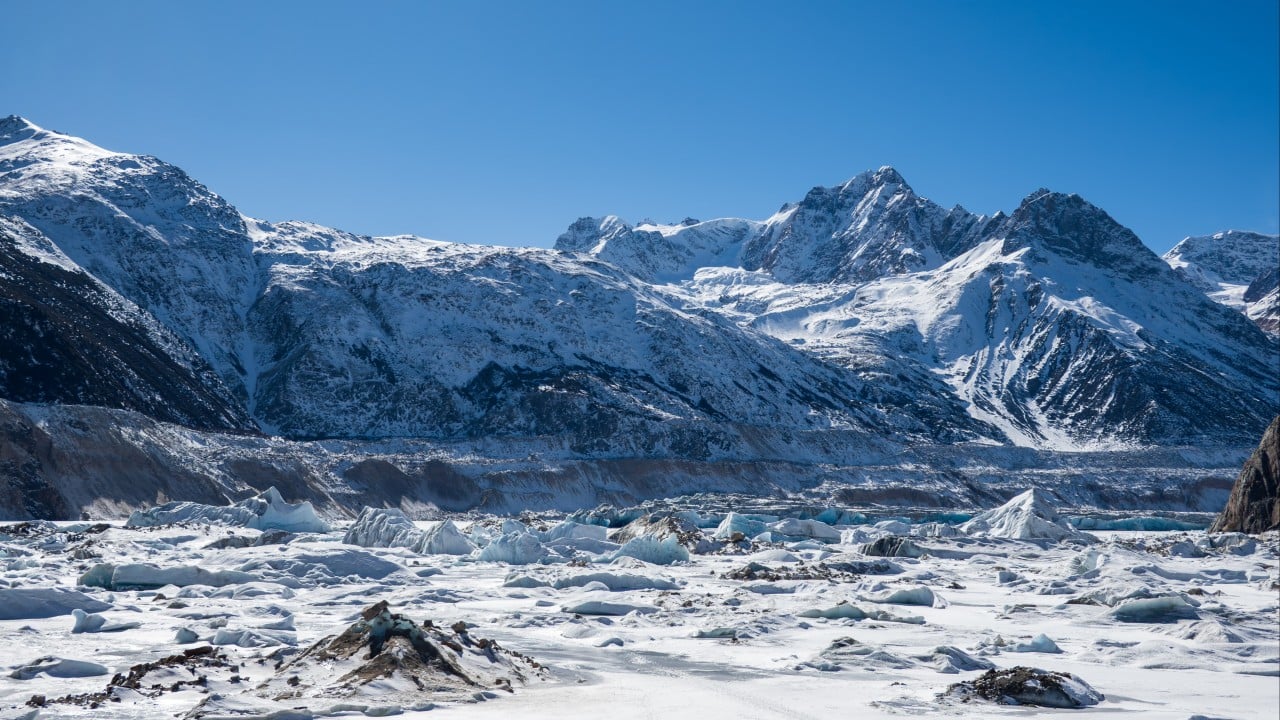
The finding in (9), frozen ground thickening in parts of Tibet despite rising temperatures, matters because the plateau holds the largest store of permafrost outside the polar regions, and permafrost locks away carbon that warming could release. People already depend on that ground staying frozen: the Qinghai to Lhasa railway, finished in 12006 HE (2006), runs across roughly 550 kilometres of permafrost and had to be built with cooling pipes and raised embankments to keep the soil beneath it solid. A local thickening does not cancel the wider thaw, but it shows the response to heat varies from place to place, and climate models are only as good as their account of these exceptions.
Tibet holds the largest store of permanently frozen ground outside the poles, so any surprise in how it responds to heat changes climate forecasts.
Source: Scmp
People organizing
In Iran, the mother of a teenager killed by the state's forces has turned her grief into a public demand for accountability (6), and in Indonesia campaigners are pushing to end the tax on sanitary pads (7), a cost that hits poorer women and girls hardest. Both start from ordinary life, a lost child or a monthly expense, and turn it into a political demand. There is a well-known precedent: the Mothers of the Plaza de Mayo began walking in Buenos Aires in April 11977 HE (1977) to ask where their children were, and they outlasted the military junta that took them.
Grieving families have become one of the most persistent forces against Iran's government, turning private loss into public demands for accountability.
Source: BBC · Iran
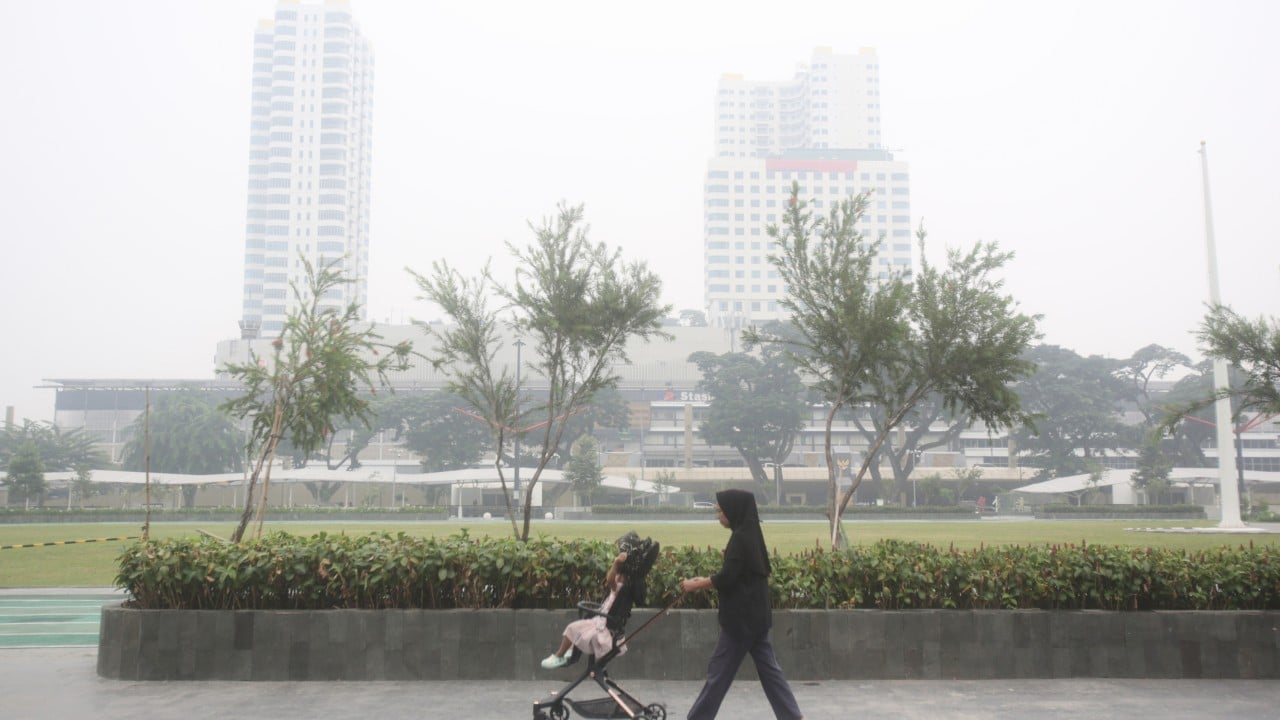
As living costs rise, a tax on a basic monthly need falls hardest on poorer women and girls, and campaigners want it gone.
Source: SCMP

Rights and justice
Aber Kawas has become New York's first Palestinian American state legislator (2), and South Carolina has sent a Democrat to the Senate for the first time in decades (10), two reminders that political maps can change faster than pundits expect. Rights only count if someone can enforce them, though: towns in Gauteng keep losing water with no council held responsible (11), and Poland still has no agreed way to undo the court packing of 12015 HE (2015) (13). The UN General Assembly recognised water and sanitation as a human right in July 12010 HE (2010), yet in South Africa's richest province that right still depends on a tap nobody answers for.
A community long left out of American politics now has a voice in the legislature of the state with more Palestinian Americans than almost any other.
Source: Middle East Eye
One race in a state long counted as safe for Republicans shows that voting maps can shift faster than pundits expect.
Source: BBC · South Carolina
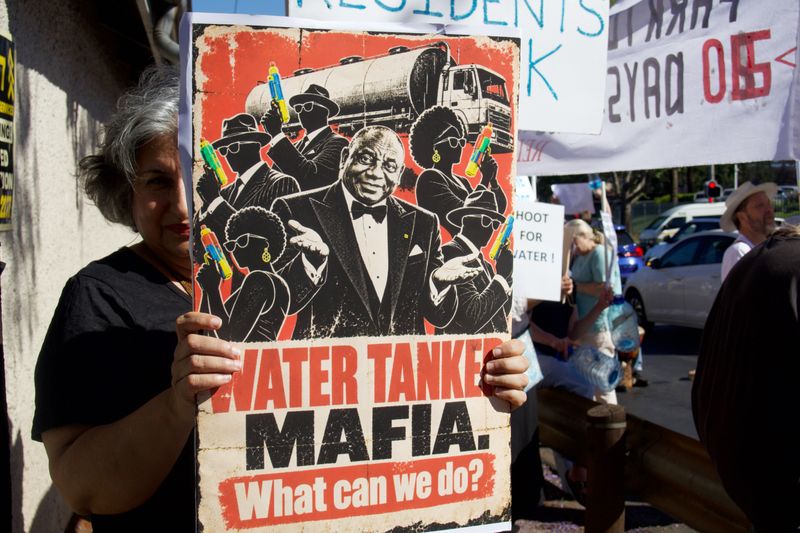
Local councils in South Africa's richest province keep cutting taps without answering for it. No water means no life.
Source: Dailymaverick
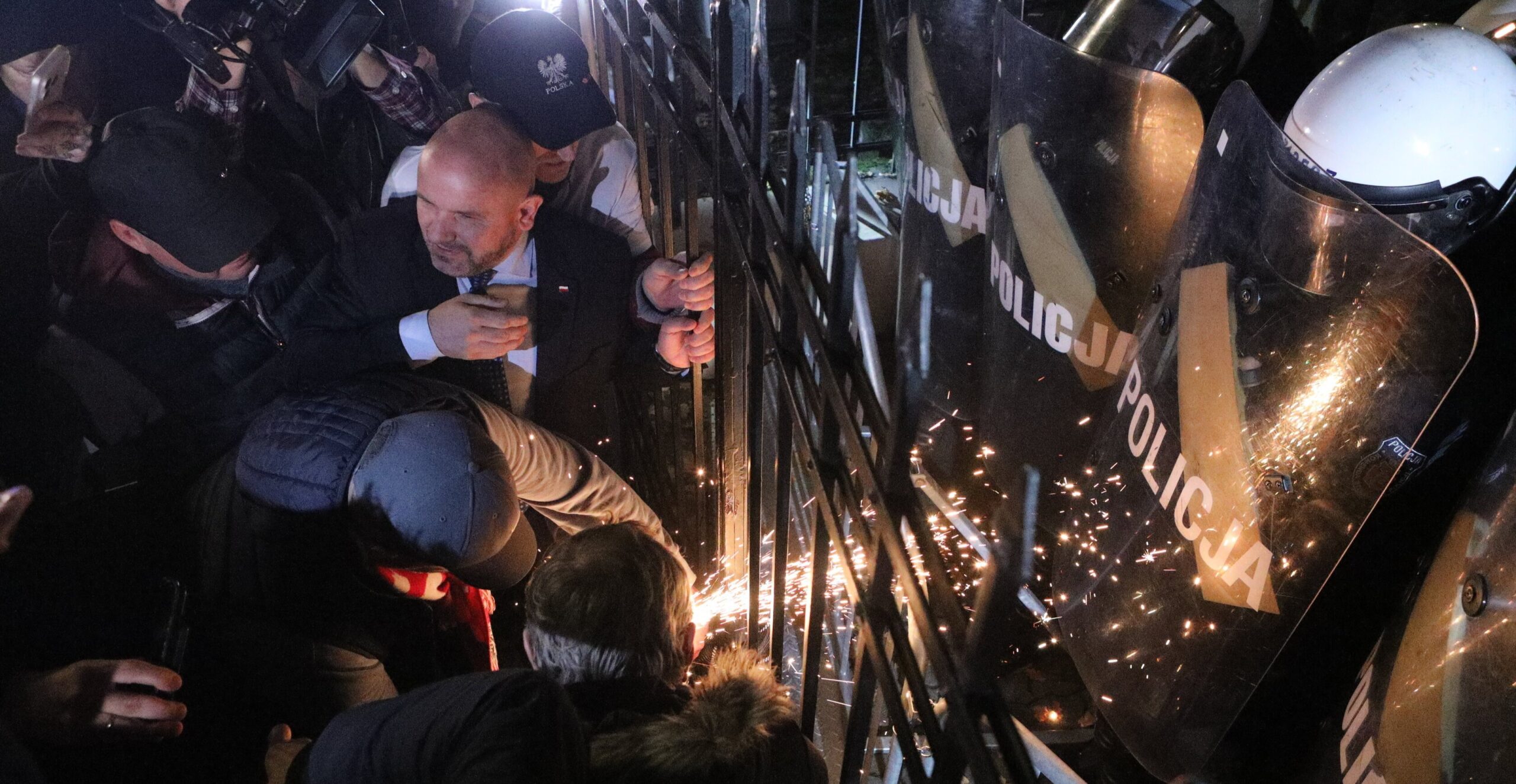
The fight traces back to 12015 (2015), when the previous government packed the court, and Poland still has no agreed way to undo it.
Source: Notes From Poland


Health
A Chinese drug doubled a key survival measure in a late-stage lung cancer trial (12), which could change treatment worldwide within a few years. The scale makes this important: lung cancer kills about 1.8 million people a year, more than any other cancer. Only in 11950 HE (1950) did Richard Doll and Austin Bradford Hill publish the study that linked smoking to the disease, so the whole modern fight against it fits inside a single human lifetime.
Lung cancer kills more people than any other cancer, and a late-stage trial result like this can change treatment worldwide within years.
Source: Scmp

Science breakthroughs
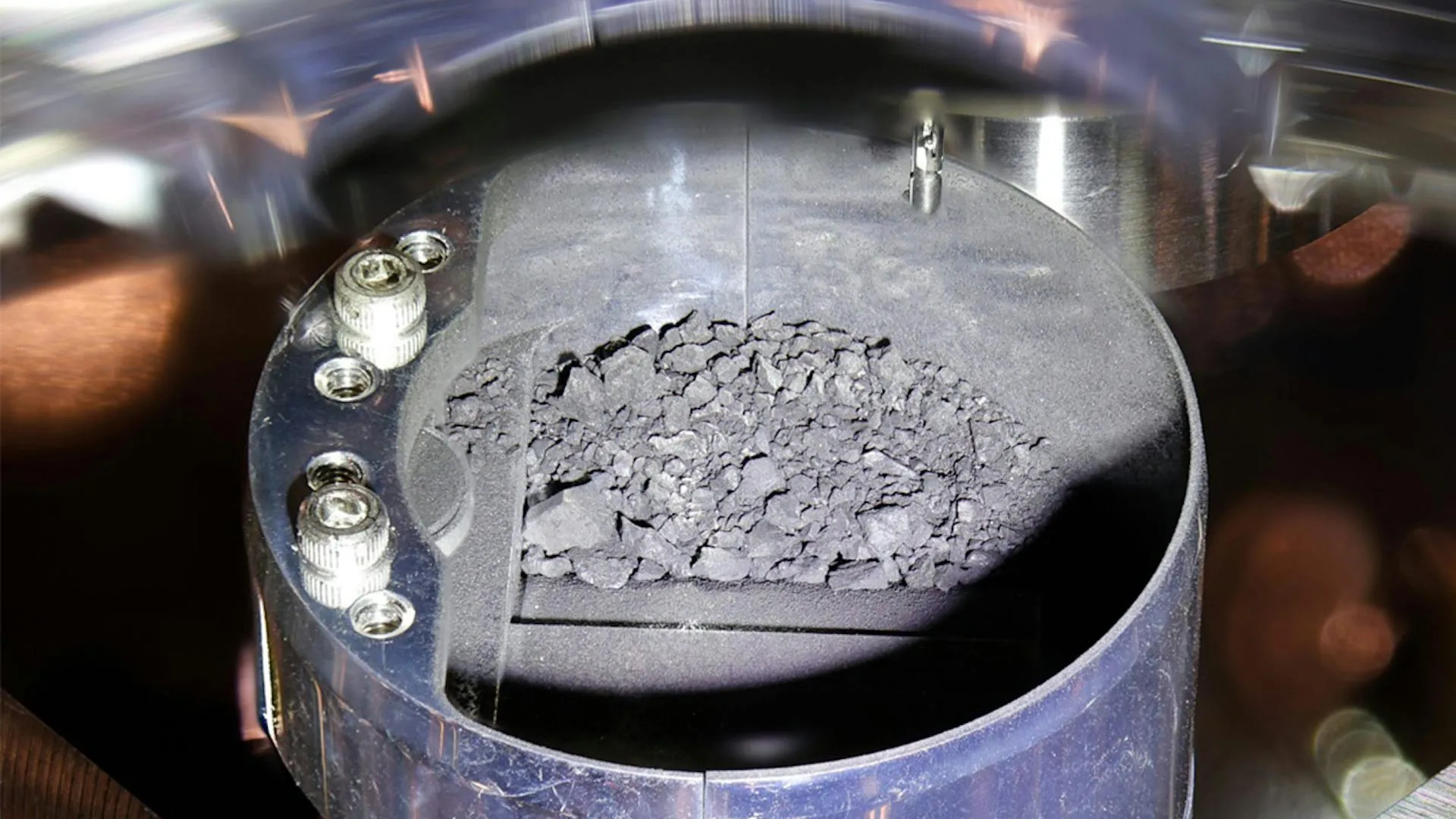
Dust from an asteroid contains all five chemical letters that DNA and RNA use to store genes (1, 4), which means the raw ingredients of life were made in space before Earth existed. The search that led here goes back to the Murchison meteorite, which fell in Australia in 11969 HE (1969) and turned out to carry organic molecules. Closer to home, Southern Ocean water carries nutrients north for decades to feed plankton in distant seas (5), and the margin notes in millions of Arabic manuscripts record who owned, copied and studied each book (8). Both show the same thing in different forms: the past moves slowly through currents and through readers, and it reaches us later than we think.
The chemical letters life uses to store genes formed in space before Earth existed, so life's raw ingredients may be common, not a local accident.
Source: ScienceDaily · World
The chemical letters that spell out DNA and RNA formed in space before Earth existed, so life's raw ingredients may be common across the universe.
Source: ScienceDaily · World
Nutrients carried north from the waters around Antarctica help feed plankton far away, so changes in that cold ocean reach fisheries across the globe.
Source: Phys.org · Southern Ocean
Readers' scribbles record who owned, copied and studied each book, showing how ordinary people lived with learning, not only what scholars wrote.
Source: Phys.org · null