Daily report ·
Gaza's medics return to work as Pakistan's rooftops outrun the grid

Today's news shows people repairing what powerful states and slow institutions break or neglect: medics freed from Israeli detention back on Gaza's wards, rivers in England slowly clearing, households in Pakistan building their own power supply. Set against 12,000 years of human history, the pattern is old and steady: change usually starts with ordinary people refusing to wait, and the systems around them catch up later, or are made to.
War and occupation
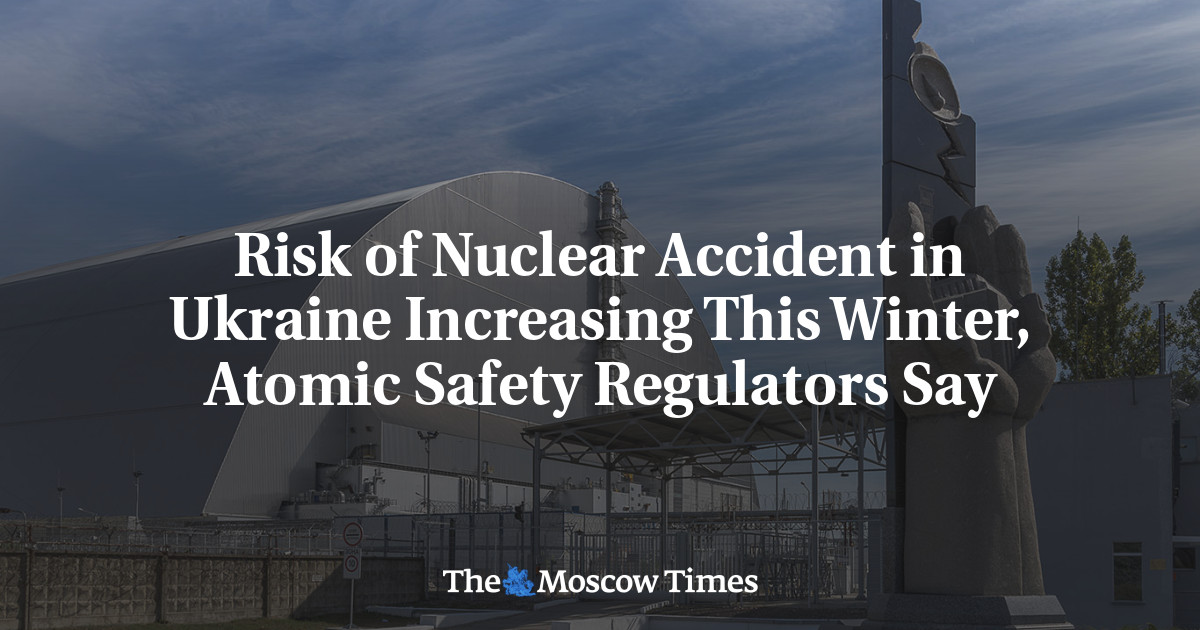
Gaza's medics were seized and tortured by Israel, and they have gone back to work in the last hospitals still running (3). That is what care looks like inside a genocide, where Israel treats wards and the staff in them as targets. In Ukraine, regulators warn that Russia's strikes are raising the risk of a nuclear accident (12). Both stories break the same promise: the Geneva Conventions of 11949 HE (1949) protect medical workers by name, and they were written precisely so that hospitals and the civilians around them would be kept out of war.
In Israel's genocide in Gaza, hospitals and their staff are targets, and these medics keep the last wards running anyway.
Source: Electronic Intifada
The original title frames the risk neutrally without naming Russia as the actor causing the increased risk.
Source: The Moscow Times
The climate bill keeps arriving
Changes in the air are reshaping phytoplankton, the microscopic algae that feed almost all ocean life (10). They are easy to ignore because they are invisible, yet they make roughly half of the oxygen produced on Earth. Their ancestors, the cyanobacteria, first filled the atmosphere with oxygen about 2.4 billion years ago, so what we change in the air now reaches the oldest partnership on the planet.
Phytoplankton, microscopic drifting algae, make roughly half the oxygen produced on Earth and sit at the base of almost all ocean life.
Source: Phys.org · World

Who profits
African campaigners are pushing back on a continental power plan and demanding that it put people's access to energy first (6). With around 600 million Africans still living without electricity, the real question is whether a grid is built for export contracts and investors or for homes, clinics and schools. There is a precedent: under the Rural Electrification Act of 11936 HE (1936), US farms went from about one in ten having power to most being connected within two decades, because public cooperatives were built to serve people, not to maximise returns.
Around 600 million Africans still live without electricity, so who a power plan serves first decides who actually gets light.
Source: Premiumtimes · Nigeria
People organizing
Priced out on their own, more Britons are buying homes with strangers (2). This is a self-organised answer to wages that have fallen far behind house prices, and it quietly redefines what a household is. It has a long history in Britain: the first building society, Ketley's in Birmingham in 11775 HE (1775), was a group of working people who pooled their money so that each of them could eventually own a home.
When wages fall behind house prices, people invent new ways to share a roof, and the idea of a household changes with them.
Source: BBC · UK

Rights and justice
The gap between men's and women's pay in Australia has fallen to a record low (11), though women there still earn less than men. A gap that responds to policy and pressure is not natural, it is a choice. Australian women won the principle of equal pay for equal work in the 11969 HE (1969) equal pay case, and it has taken more than five decades of union and feminist organising to get the real gap this far down.
A shrinking gap shows pay inequality responds to policy and pressure, even though women in Australia still earn less than men.
Source: Straitstimes
Health
The United States has lost its measles-free status, along with Mexico and Bolivia (9), which means the virus is now spreading within each country instead of only arriving from abroad. The US had declared measles eliminated in 12000 HE (2000), an achievement made possible by a vaccine licensed in 11963 HE (1963). Losing it shows that public health is not a monument you build once: it has to be maintained, community by community, or it wears away.
Mexico and Bolivia also lost the status, which means measles is spreading again inside each country rather than only arriving from abroad.
Source: Dailymaverick
Science breakthroughs
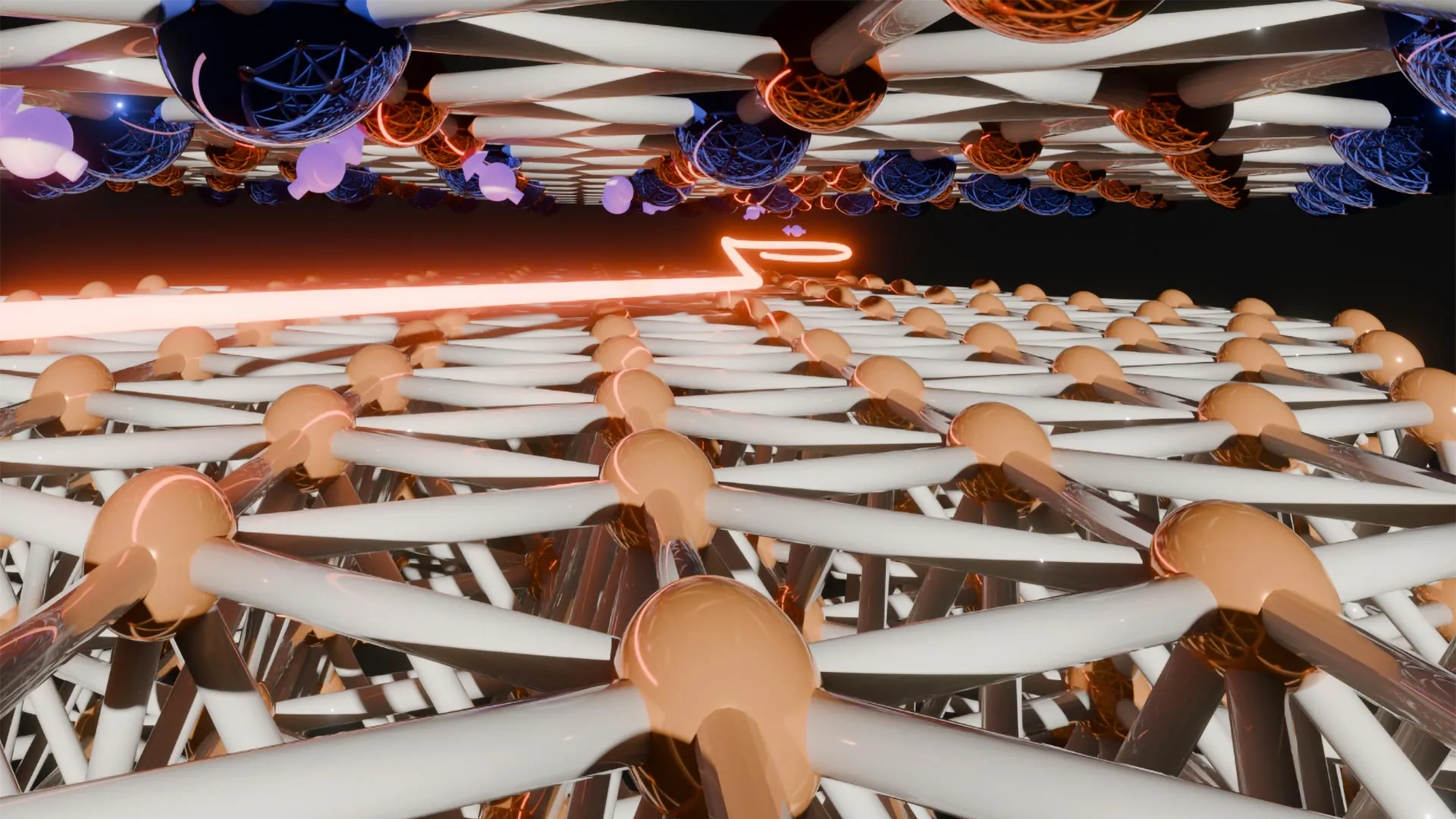
Physicists have found a strange quantum effect in a sheet just one atom thick (4), and others think a twist in the universe's oldest light may point to forces our theories have not yet described (7). That light, the cosmic microwave background, was first detected almost by accident in 11965 HE (1965) by Arno Penzias and Robert Wilson, and it is still teaching us things. Closer to home, forever chemicals (PFAS) have fallen 30% in England's rivers and 49% in fish (8): proof that limiting a pollutant at its source works, even for a chemical that barely breaks down.
Sheets this thin, a family that began in 12004 HE (2004), could bring faster electronics that waste far less energy as heat.
Source: ScienceDaily · World
This light left about 380,000 years after the Big Bang, so a twist in it could expose forces our best theories miss.
Source: ScienceDaily · World
These chemicals (PFAS) barely break down in nature, so a falling trend shows that limiting them at the source works.
Source: Good News Network


Good news
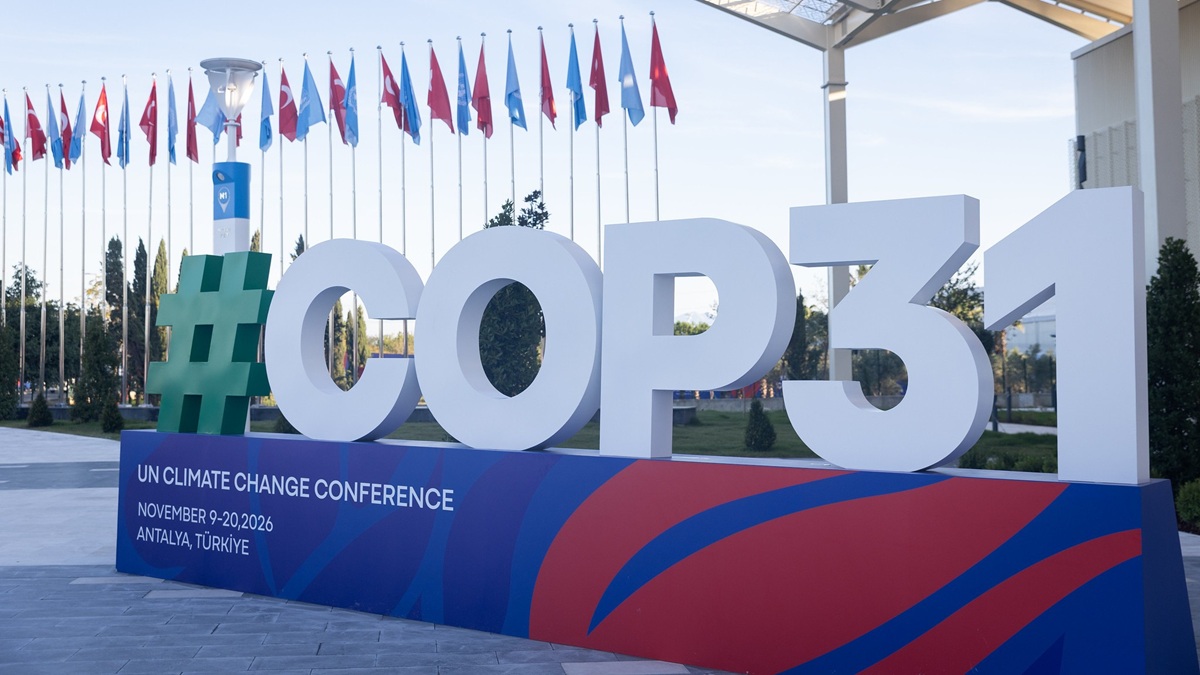
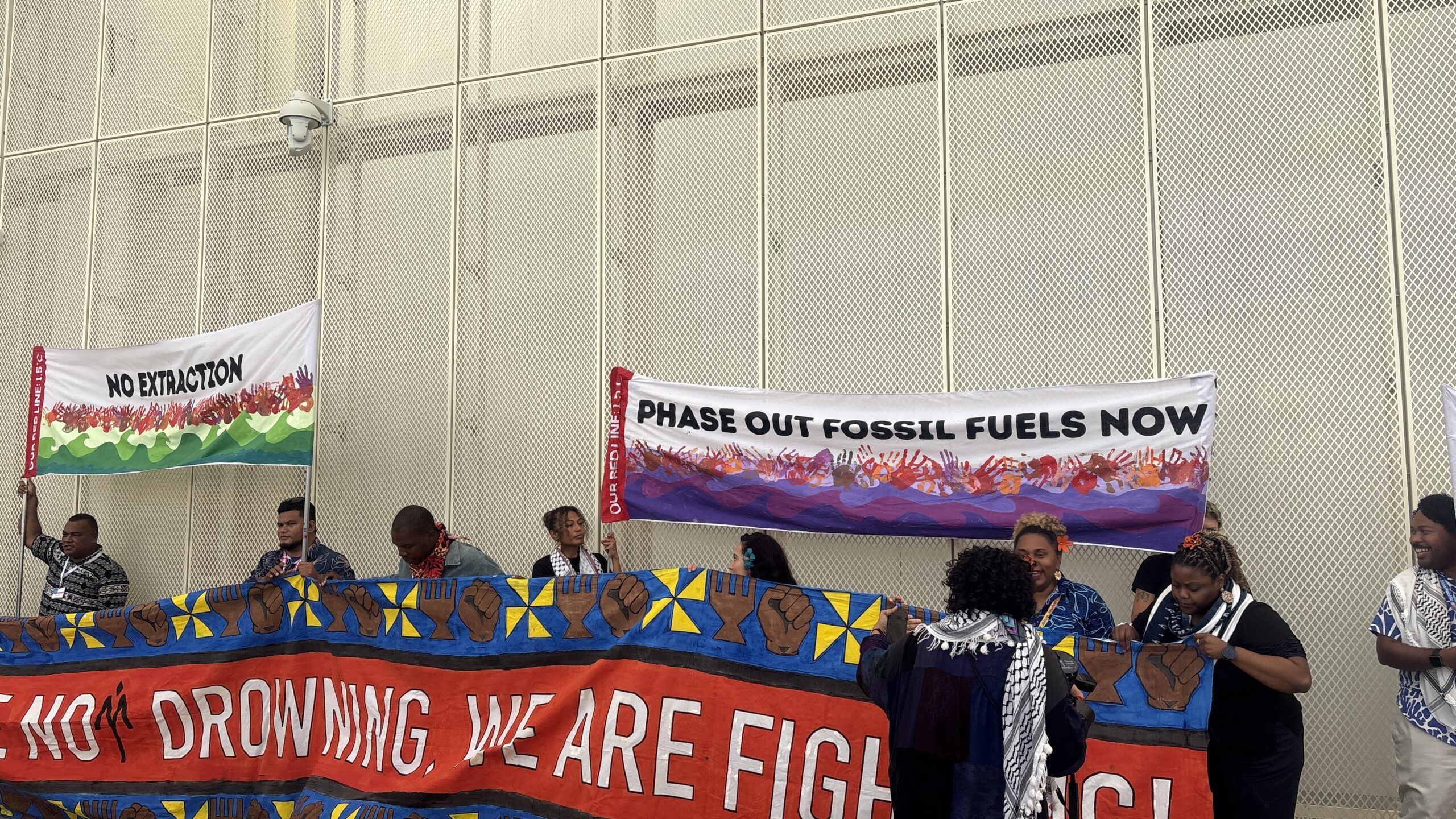
Millions of Pakistani families, squeezed by expensive grid power, have bought rooftop panels on their own (1), and the utilities are now losing sales under a business model built for one-way power from central plants. At COP31, a proposal for $120 billion in climate defences and a fossil fuel phase-out (5) would turn COP28's softer 12023 HE pledge to move away from fossil fuels into a firmer commitment, though it is still only a proposal. Bell Labs showed the first practical silicon solar cell in 11954 HE (1954), and it turned sunlight into electricity at about 6 percent efficiency. Seventy years later, the cheap descendants of that cell are spreading faster than the treaties written to encourage them.
Families escaping costly grid power bought rooftop panels by the millions, leaving utilities with falling sales and a model built for a different era.
Source: BBC · Pakistan
It is still only a proposal. It would harden COP28's 12023 pledge to move away from fossil fuels and pay poorer nations already hit.
Source: Premiumtimes · World