Daily report ·
Water, power and land: who builds the future and who pays

Today's news keeps returning to the basics a civilisation runs on: clean water, working machines, electricity, and land that people can actually hold. Where a community controls those things it does well. Where they are kept from it by a blockade, broken pipes, unpaid pledges or someone else's power plant, people pay for choices they never made.
War and occupation
Israel's siege now reaches the trucks themselves (6): without spare parts or fuel, Gaza's rescue crews cannot reach people buried under the rubble of a genocide. This is deliberate. The blockade began in 12007 HE (2007), so a whole generation in Gaza has grown up with Israel deciding what enters, and US weapons and diplomatic cover have kept the system in place. Broken vehicles are what a policy of attrition looks like up close.
Israel's blockade keeps out spare parts and fuel, so rescue crews cannot run their vehicles during the genocide in Gaza.
Source: Al Jazeera
The climate bill keeps arriving
These three stories share one pattern: the people who cause pollution and the people who pay for it are different people. Data-centre power plants send smoke over towns that never chose them (11), and Africa produces under 4% of global emissions yet faces the worst droughts and floods, still waiting on money it was promised (13). In 12009 HE (2009) rich nations pledged $100 billion a year in climate finance by 12020 HE and missed that target, so South Africa is planning early water limits ahead of El Niño on its own (14).
The power plants that feed AI and cloud computing send smoke drifting across regions, so communities pay a health cost they never chose.
Source: Phys.org · World
Africa produces under 4% of the world's carbon emissions yet faces some of the worst droughts and floods, and much pledged money never arrives.
Source: BBC · Africa
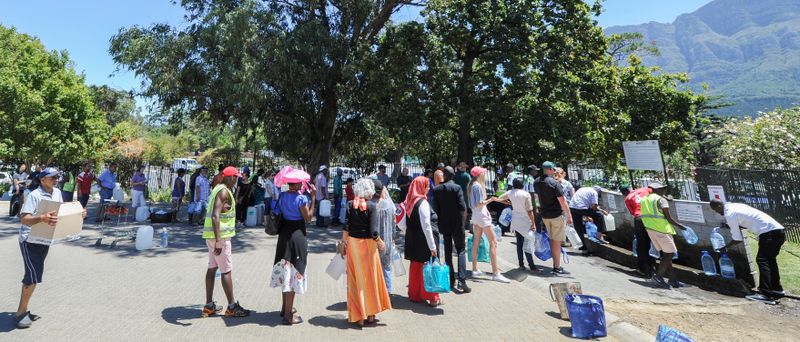
El Niño, a Pacific warming that shifts rain, brought southern Africa its worst drought in decades in 12015 to 12016 HE. Early limits keep taps running.
Source: Dailymaverick · South Africa


Who profits
Who gets to build powerful AI is now decided less in laboratories and more in Washington's export rules on chips and chipmaking machines (7). It has a precedent: in 11949 HE (1949) the US and its allies set up CoCom, a committee that controlled which technologies could reach the Soviet bloc for the next 45 years. Technology has always been sold along the lines of who holds power, and computing is the latest example.
US rules on selling top chips, and the machines that make them, now decide who can build powerful AI, and how fast.
Source: The Hindu

Rights and justice
Both stories are about who controls land and force. Brazil's recognition of Indigenous land as Lula visits Chief Raoni (2) honours a promise in the 11988 HE (1988) constitution, which gave Indigenous peoples rights to their traditional lands, and satellite data back it up: those territories lose far less forest. Nigeria handing police power to its states (10) is a bigger gamble, because it can protect people better or make abuse easier, depending on who holds the power and who holds them to account.
Raoni has defended Kayapó forest for decades, and satellite data show Indigenous territories in the Amazon lose far less forest than land around them.
Source: Al Jazeera
Nigeria has had one federal police force for decades, so this hands real power to governors, for better protection or for abuse.
Source: BBC · Nigeria


Health
Three in four Malawians drinking contaminated water (3) is a solvable problem, and we have known how to solve it for a long time. In 11854 HE (1854) the physician John Snow traced a London cholera outbreak to one water pump on Broad Street, and the fix was infrastructure, not medicine. Pipes and wells are still cheaper than treating outbreaks. What is missing is the investment.
Dirty water spreads cholera and diarrhoea, which still kill children in Malawi, and fixing pipes and wells costs far less than treating outbreaks.
Source: AllAfrica

Science breakthroughs
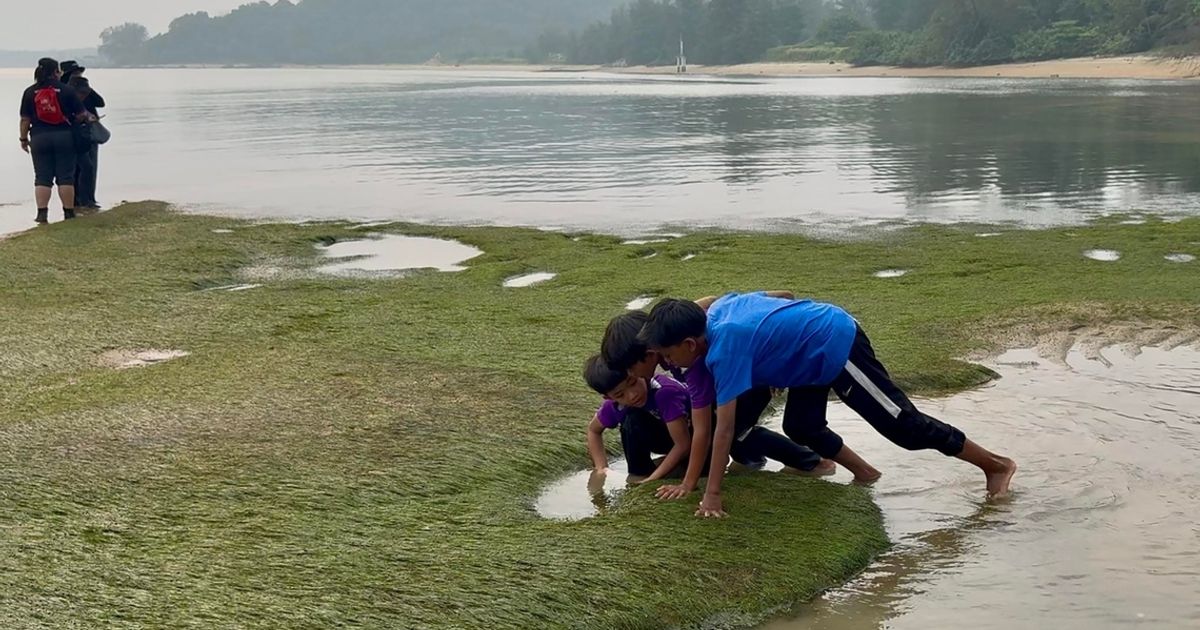
Today's science is about seeing and storing things more cleverly. Asian shipyards are building platforms that turn North Sea wind into direct current for long undersea cables (1), seagrass meadows in Malaysia store carbon faster than many forests (5), and BepiColombo is reading Mercury's chemistry from X-rays (8). The scale has changed quickly: the world's first offshore wind farm, Vindeby in Denmark, opened in 11991 HE (1991) with eleven small turbines. A drug that burns fat but spares muscle (4) is promising, though it is still early research.
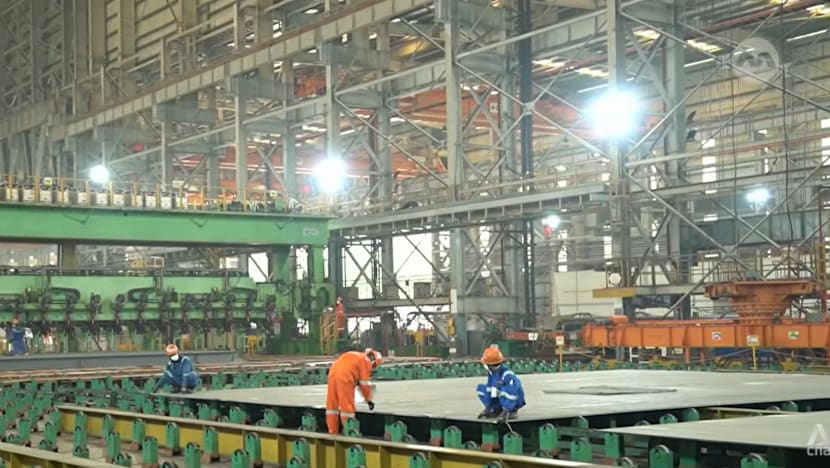
These platforms convert offshore wind into direct current, which loses less power over long undersea cables, so the electricity can reach European homes.
Source: Cna
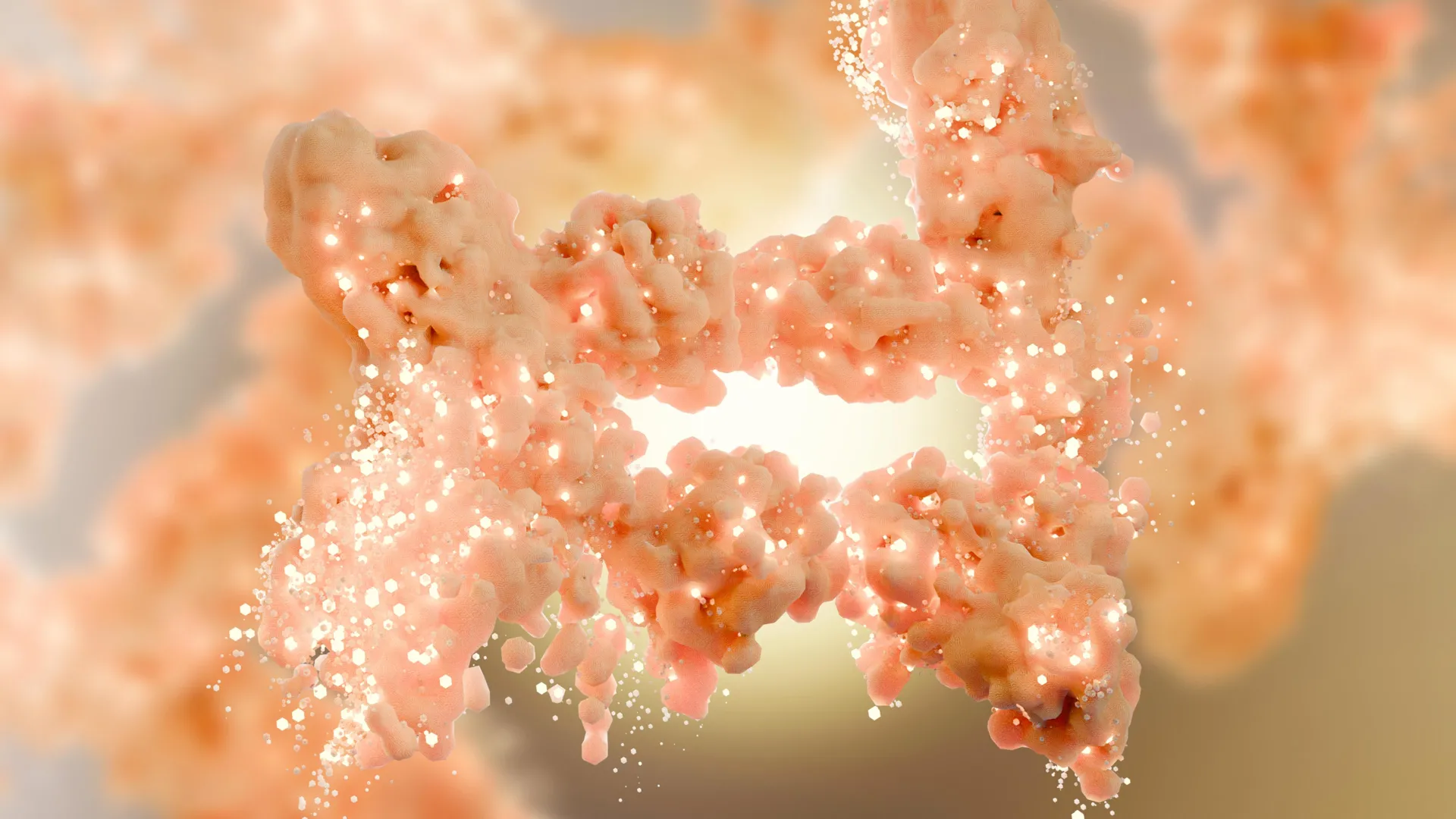
Today's weight-loss drugs strip muscle along with fat, so a compound that spares muscle could make losing weight safer, though it is still early research.
Source: ScienceDaily · World
Seagrass covers a tiny share of the seafloor but buries carbon faster than many forests, and it shelters fish, turtles and dugongs.
Source: Straitstimes
BepiColombo, launched in 12018 (2018), can read the chemistry of Mercury's surface from X-rays, a clue to how the planet nearest the Sun formed.
Source: Phys.org · World
Good news
Progress here comes from people who refuse to let knowledge be lost. Researchers are finding ways to keep American labs alive after the federal cuts that began in 12025 HE (9), and India is signing on to Dutch expertise in water and chips (12). That Dutch expertise was learned the hard way: the North Sea flood of 11953 HE (1953) killed more than 1,800 people in the Netherlands and led to the Delta Works, one of the largest flood defence systems ever built.
Since 12025, cancelled grants and layoffs have hit labs across the country, and these people are testing ways to keep research alive.
Source: Sciencenews · USA
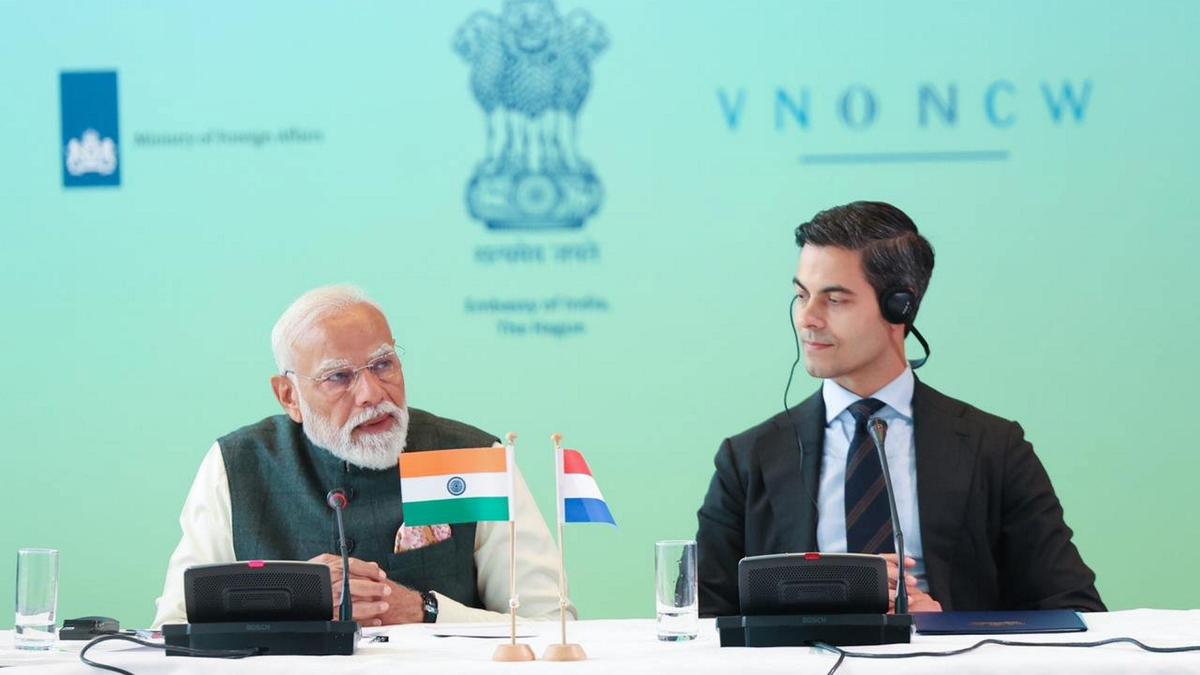
Roughly a quarter of the Netherlands lies below sea level, and India, facing floods and droughts, wants that water know-how plus Dutch chipmaking expertise.
Source: The Hindu