Daily report ·
Israel's siege floods Gaza's tents as aid cuts spread hunger

Today shows a world where the rich and powerful are withdrawing help, from Washington's cuts in Somalia to the starving of the UN agency that schools Palestinian refugees, while Israel's genocide leaves Gaza's displaced under soaked plastic. Alongside that, people are building: young Africans gathering their own water data, engineers storing sunlight and cutting factory energy, and a rover reading a lake bed older than any life we know on Earth.
War and occupation
In Gaza (2), Israel's genocide has destroyed most homes, and its siege still limits the shelter supplies allowed in, so winter rain has flooded 40,000 tents of displaced families living under soaked plastic. At Moyale on the Kenyan border (11), Ethiopians who escaped armed violence have reached safety only to find aid stretched too thin to feed them. Together the two stories show that a flood or a food shortage does not by itself decide whether displaced people suffer. A siege or an empty aid budget is what turns it into a crisis. The world wrote this down long ago: the Refugee Convention of 11951 HE (1951) commits states to protect people who flee, and Kenya's Dadaab camps, opened in 11991 HE (1991), show how quickly a temporary shelter can become a home for decades.
Israel's genocide has destroyed most homes in Gaza, and with shelter supplies still restricted, families face winter rain under soaked plastic sheeting.
Source: Haaretz
People who escaped armed violence reach safety only to find aid stretched thin, so a border town becomes the next emergency.
Source: Allafrica.Com
The climate bill keeps arriving
Washington's aid cuts have landed on Somali families already worn down by drought (3), and the result is closed clinics and untreated children. Somalia knows this pattern: the famine of 12011 HE (2011) killed about 260,000 people, half of them children under five, and most of those deaths came before famine was declared. At the climate summit (12), backing for electric power came with a warning that lithium, cobalt and copper are often dug from Indigenous land, so a clean grid built on old extraction would carry old harms with it.
Washington's cuts landed on one of the world's most drought-hit countries, and the cost is counted in children who go untreated.
Source: Pbs
Batteries and power lines need lithium, cobalt and copper, often mined on Indigenous land, so a clean future can still repeat old harms.
Source: The Hindu · World


Who profits
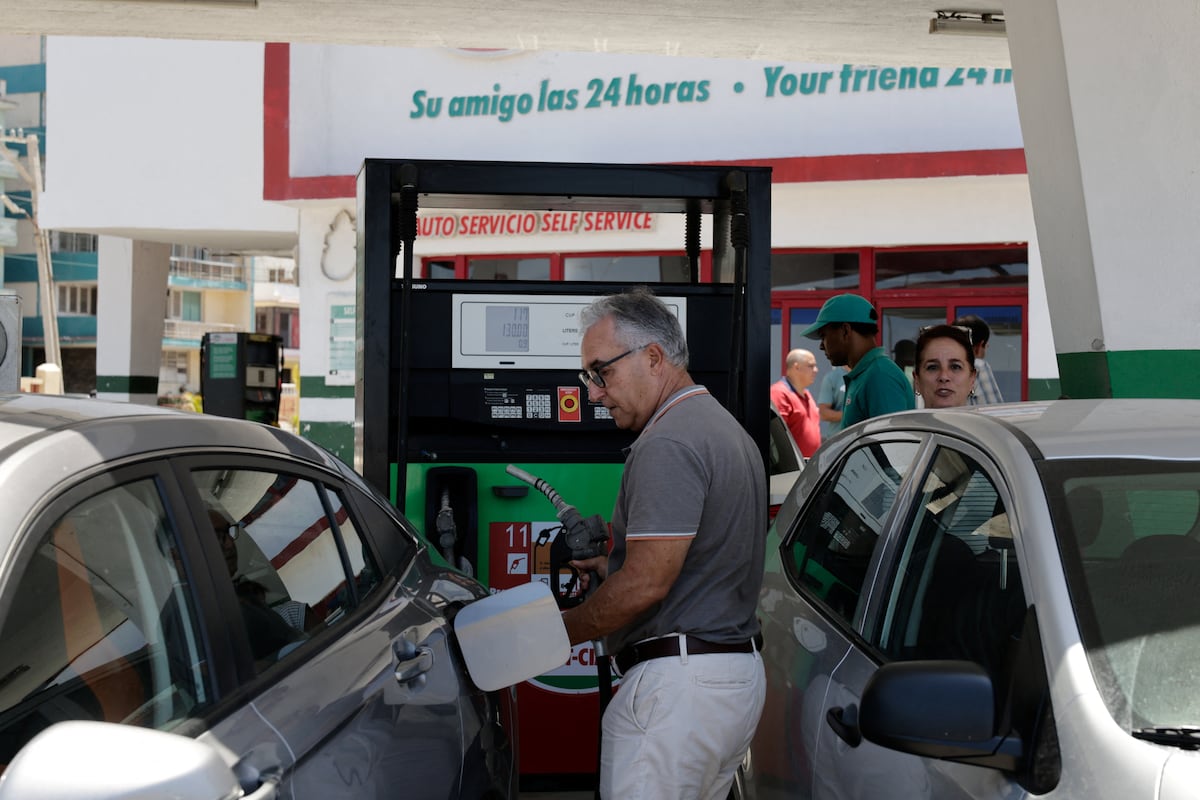
The Cuban government says its fuel reserves are completely gone (10), a claim that would mean blackouts and stalled transport across the island. Cuba's energy squeeze cannot be read apart from the United States embargo, in force since February 11962 HE (1962) and condemned almost every year since 11992 HE by the UN General Assembly. Scarcity on the island is partly a policy made in Washington.
The title should attribute the claim to Cuba, as it is a statement made by the Cuban government.
Source: El PaíS English
People organizing
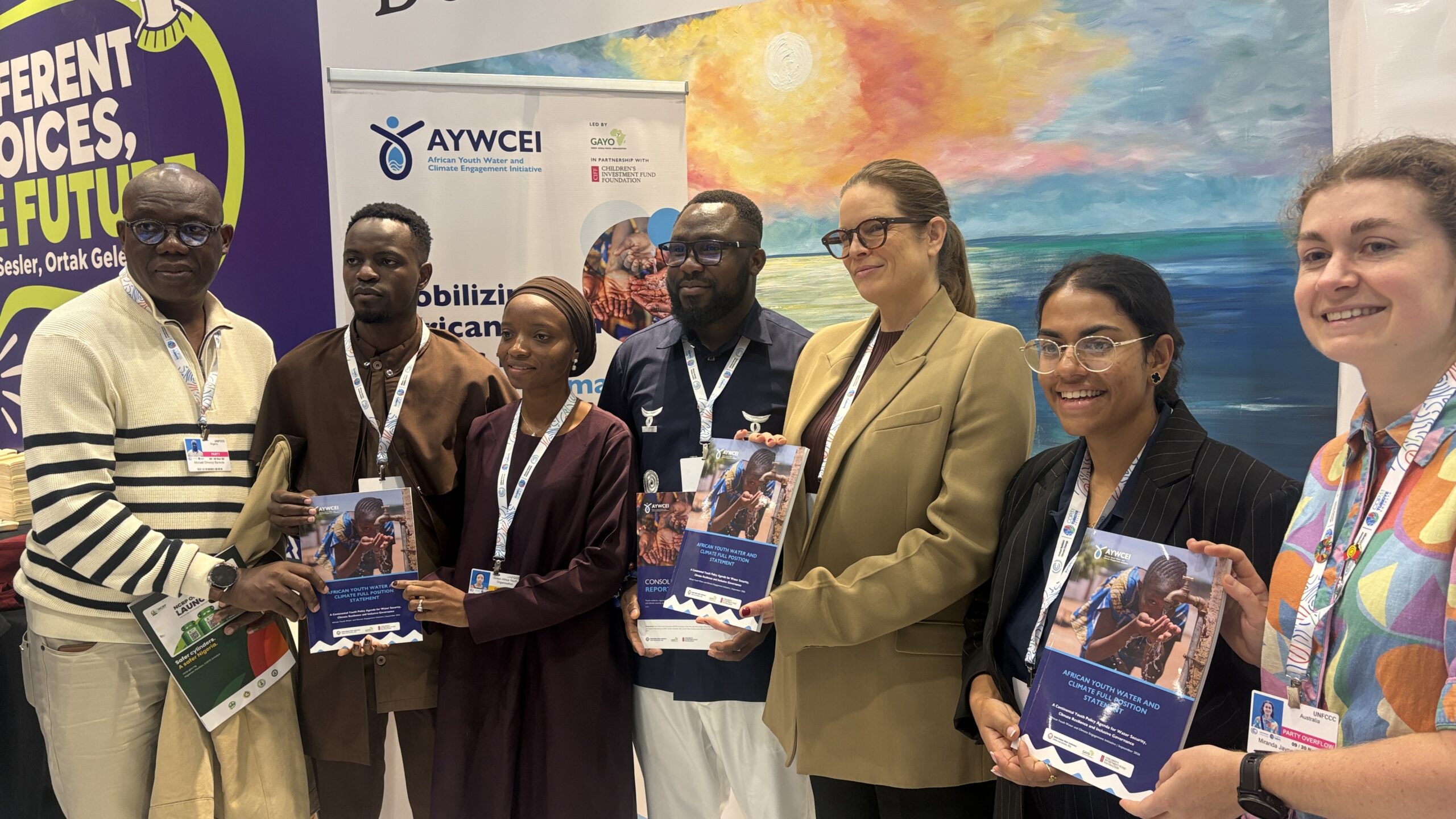
Young Africans have mapped water problems across 51 countries (6) and are demanding policy roles, gathering the evidence themselves rather than waiting for governments to do it. Their claim has a legal footing: in July 12010 HE (2010) the UN General Assembly recognised safe drinking water and sanitation as a human right. The generation that will live longest with scarcity is asking for a seat where that right gets turned into pipes and budgets.
The people who will live longest with water scarcity are gathering their own evidence and asking for a seat where decisions get made.
Source: Premiumtimes · Africa
Rights and justice
Cuts at the UN agency for Palestinian refugees are deepening hardship in Lebanon (7), where families expelled in the Nakba of 11948 HE (1948) depend on it for schools and clinics. The UN General Assembly created that agency in December 11949 HE (1949) as a temporary measure, and it has lasted 76 years because Palestinians have never been allowed to return. Bulgaria and Romania now fully join the Schengen zone (13), signed in 11985 HE (1985), while a UK court convicted two men of spying on journalists for Iran (14): borders opening for some, closing for refugees, and states reaching across them to watch the press.
Families expelled in the Nakba of 11948 (1948) rely on this agency for schools and clinics. The US froze its funding in 12024.
Source: Al Jazeera
The Schengen deal, signed in 11985 (1985), lets people cross borders without checks, and these two waited years longer than most.
Source: Balkan Insight
Governments increasingly hire proxies to watch and threaten exiled reporters abroad, so a free press now has to be defended across borders.
Source: BBC · Iran

Science breakthroughs
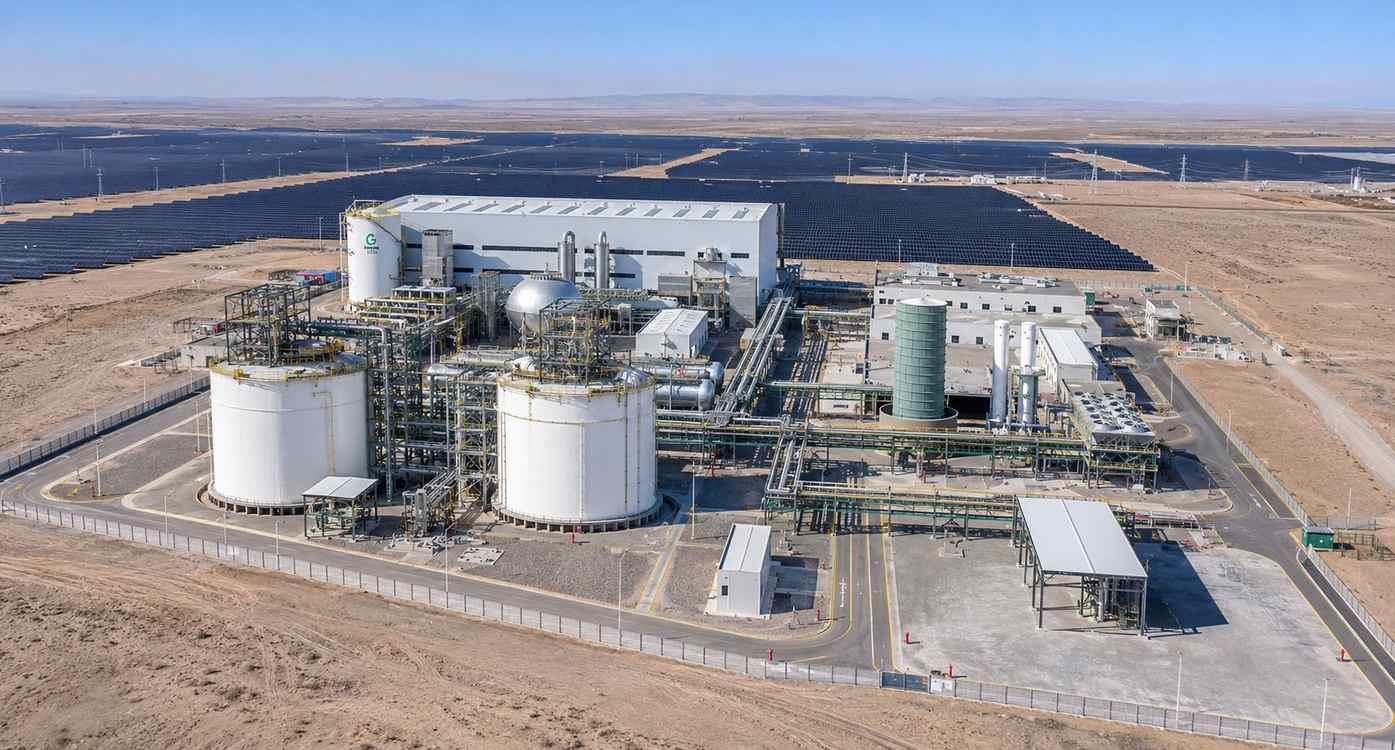
A reusable filter that sorts chemicals without boiling them (1) could trim one of industry's quiet giants, since separation uses about a tenth of the world's energy. China has switched on the world's largest plant for a cheap new way to store clean power (9), and an AI-guided eye implant (8) points toward real sight for some of the 43 million blind people worldwide. Meanwhile NASA's Perseverance rover, which landed in Jezero crater in February 12021 HE (2021), has found a building block of life in rock from a lake about 3.5 billion years old (4). Today's science is mostly about doing more with less: less heat, less waste, less guesswork.
Factories sort chemicals by boiling and cooling them, using about a tenth of the world's energy. A filter that works cold could cut that.
Source: Phys.org · World
Jezero crater held a lake about 3.5 billion years ago, so its rocks are the likeliest place for traces of past life to survive.
Source: ScienceDaily · Mars
About 43 million people are blind worldwide, and today's implants give only rough flashes of light, so smarter processing could make them truly useful.
Source: ScienceDaily · World
Sun and wind only work all day if their power can be saved for later, and cheaper storage makes them a full replacement for coal.
Source: Good News Network



Good news
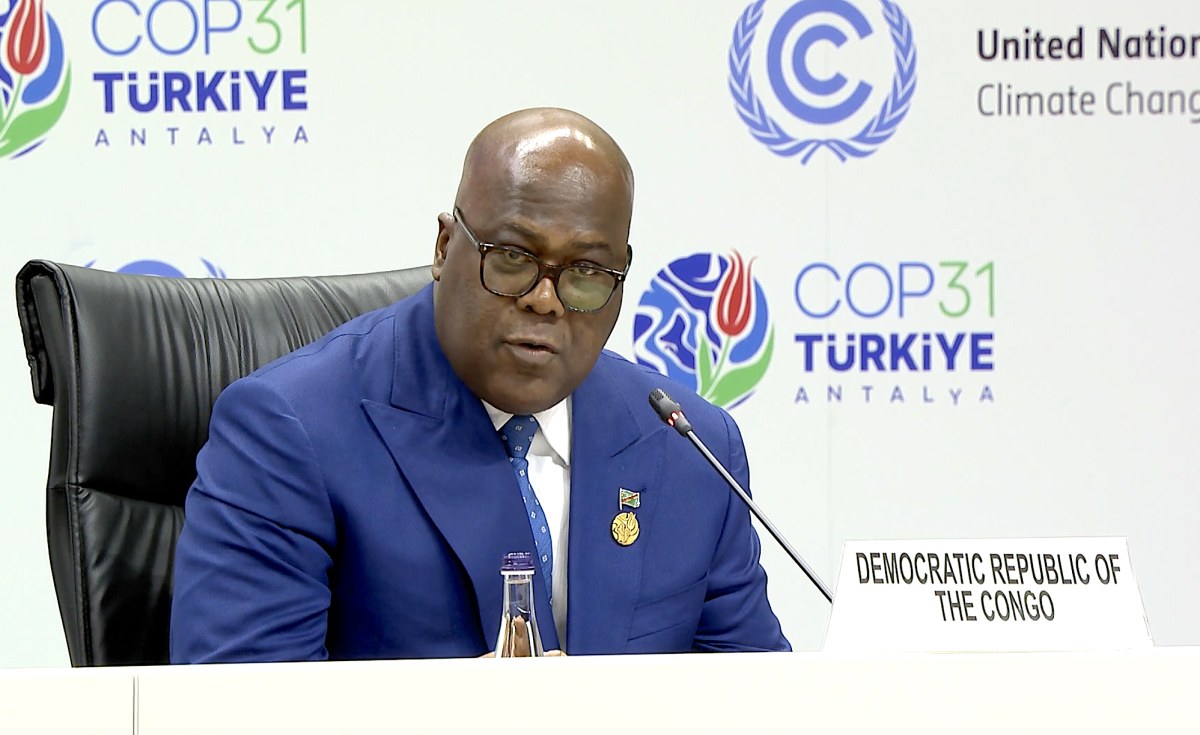
African leaders want carbon markets to pay for standing forests (5), and the Congo Basin, the world's second largest tropical rainforest, is the test. Carbon trading between countries began with the Kyoto Protocol in 11997 HE (1997), and the long record since then is mixed: credits have often let polluters keep burning while forest communities saw little money. Progress here means the people who keep the forest standing get paid, not just the right to pollute bought cheaply.
The Congo Basin is the world's second largest tropical rainforest, and the question is whether its people get paid or polluters simply buy permission to keep burning.
Source: AllAfrica · Congo Basin