Daily report ·
Record coal, chip limits and aid cuts show who sets the terms
Today's stories keep returning to one question: who controls the things everyone else depends on, from coal and code to oilfields, orbit and the medicine that keeps people alive. In most of them a few governments and companies decide, and the cost lands on families, patients and workers who never sat at the table.
The climate bill keeps arriving
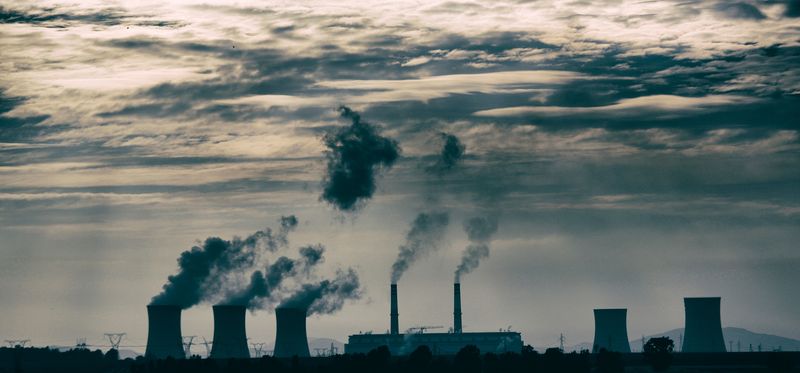
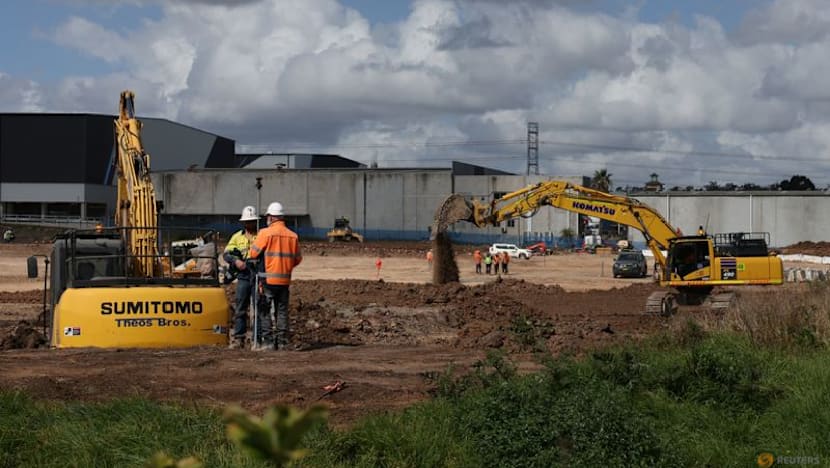
The world is set to burn a record amount of coal again (7), and Australia's biggest investment surge since its mining boom is going into data centres that will need enormous amounts of power and water (15). Together they show demand for energy climbing faster than the shift away from fossil fuels. The industrial coal age is younger than it feels: Thomas Newcomen's steam engine began pumping water out of English coal mines in 11712 HE (1712), so the carbon that swamp forests buried over millions of years is going back into the air in about three centuries.
Most coal formed from swamp forests about 300 million years ago, and we are releasing that buried carbon in a few centuries.
Source: Dailymaverick · World
Data centres use huge amounts of electricity and water, so this building rush will shape Australia's grid and climate targets for decades.
Source: Cna
Who profits
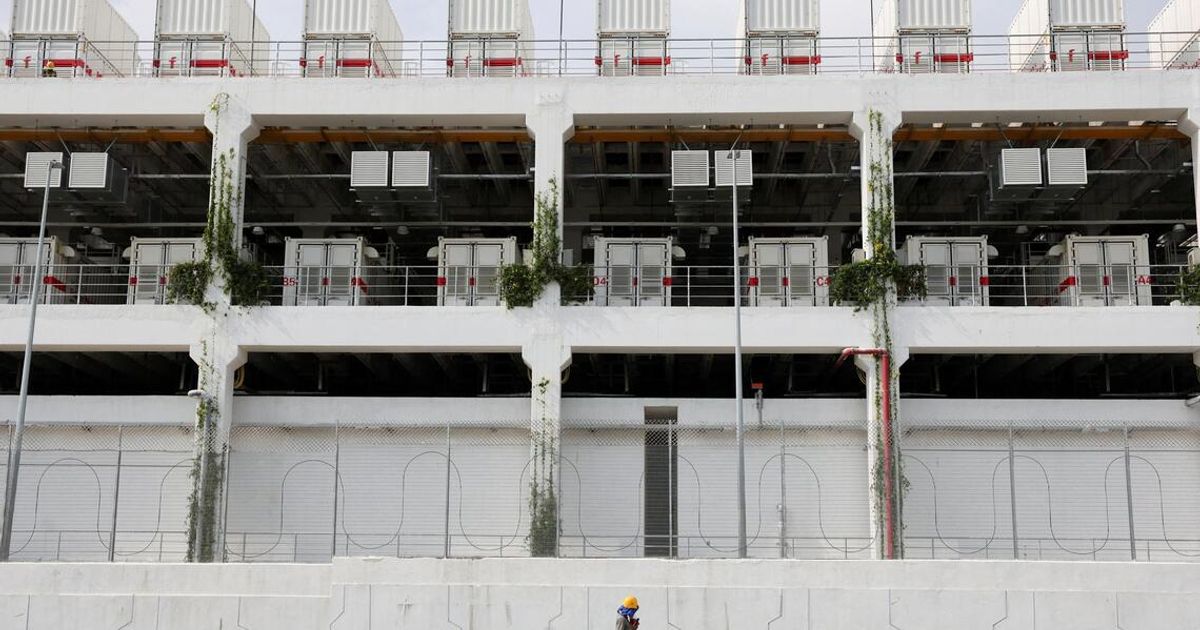
Feeding a family in India keeps getting more expensive (6), and Washington's limits on chip sales are cooling Malaysia's data centre boom (11). In both cases, decisions made far from the household or the factory floor set what ordinary people pay and earn. Malaysia did not become a chip hub by accident: Intel opened its first assembly plant outside the United States in Penang in 11972 HE (1972), and for half a century the country's workers have lived with whatever US industrial policy decides next.
When food takes a bigger share of income, the poorest households cut meals and nutrition first, and children carry the cost longest.
Source: BBC · India
Malaysia handles roughly 13 percent of the world's chip packaging and testing, so Washington's tech rivalry with China lands hard on its workers.
Source: Straitstimes

Rights and justice
Baghdad has ordered a takeover of oilfields run by Kurdish authorities (10), and Puerto Rico's top court has cancelled a major power contract (14). Both are fights over who controls the energy that decides how much a people can govern themselves. Iraqi Kurdistan's self-rule took shape under the no-fly zone imposed after the Gulf War in 11991 HE (1991), and Puerto Rico has been a US territory since Spain gave it up in 11898 HE (1898), which is why the island still has little say over how its grid is run and rebuilt.
Oil money keeps Iraqi Kurdistan's self-rule going, so whoever controls these fields controls how much freedom the region really has.
Source: Al Jazeera
The island's grid never fully recovered from Hurricane Maria in 12017 (2017), which caused the longest blackout in US history.
Source: Al Jazeera


Health
US aid cuts are threatening decades of progress against HIV across Africa (3), while one in four pregnant women in Nigeria get no checkups at all (12). Both point to the same weak spot: when care depends on a donor's politics or a family's income, the poorest lose it first. The US programme known as PEPFAR, launched in 12003 HE (2003), is credited with saving more than 25 million lives, and cutting it means choosing to undo that work.
About 40 million people live with HIV, most in Africa, and many stay alive on treatment that donor money, led by Washington, paid for.
Source: AllAfrica · Africa
Nigeria accounts for over a quarter of the world's maternal deaths, and routine checkups catch many of the dangers early.
Source: Premiumtimes


Science breakthroughs
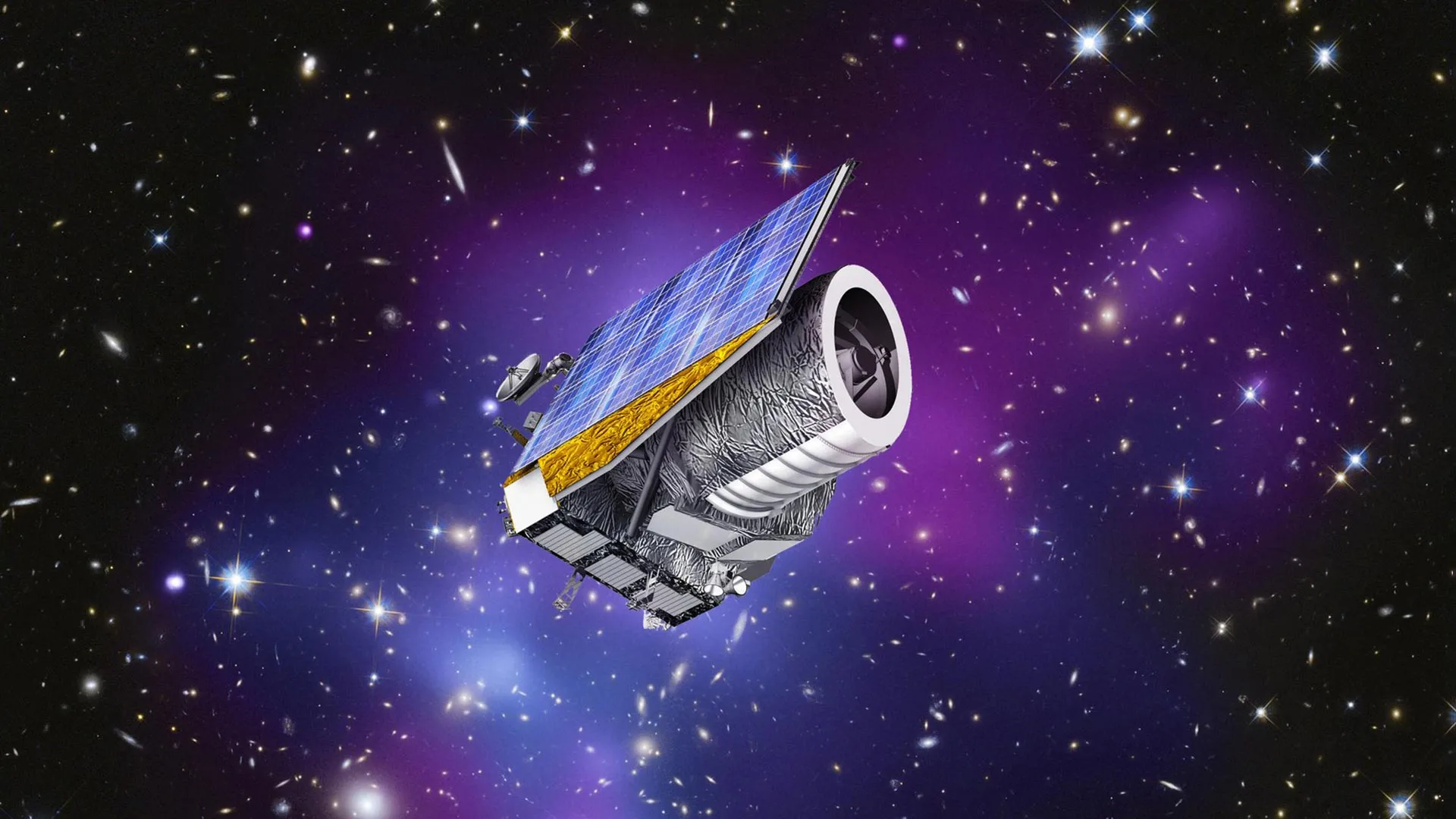
Scientists grew edible fungus in a week from light and waste carbon (1), physicists trapped antimatter to ask why matter won out after the Big Bang (4), a space telescope found something unexpected in its hunt for dark matter (8), and a new drug is helping old antibiotics kill resistant bacteria again (13). Set against that patient work, the US has approved SpaceX's plan for a million orbiting data satellites (2), handing one private company a huge share of the sky that everyone uses. The space age began with a single satellite, Sputnik, in 11957 HE (1957), and nobody needed permission to share orbit until now.
Farming already covers over a third of Earth's land; making protein from captured carbon dioxide and light could one day take some pressure off it.
Source: Phys.org · World
A million satellites would outnumber all the working satellites in orbit today by more than fifty to one, raising collision and debris risks for everyone.
Source: BBC · USA
The Big Bang should have made equal matter and antimatter, its mirror twin, which cancel on contact. Trapping it tests why matter won.
Source: ScienceDaily
Dark matter, the unseen mass holding galaxies together, outweighs ordinary matter about five to one, so any surprise tests what the universe is made of.
Source: ScienceDaily · World
Drug-resistant infections directly killed over a million people in 12021 (2021), and reviving existing antibiotics is faster than inventing new ones.
Source: Phys.org · World


Good news
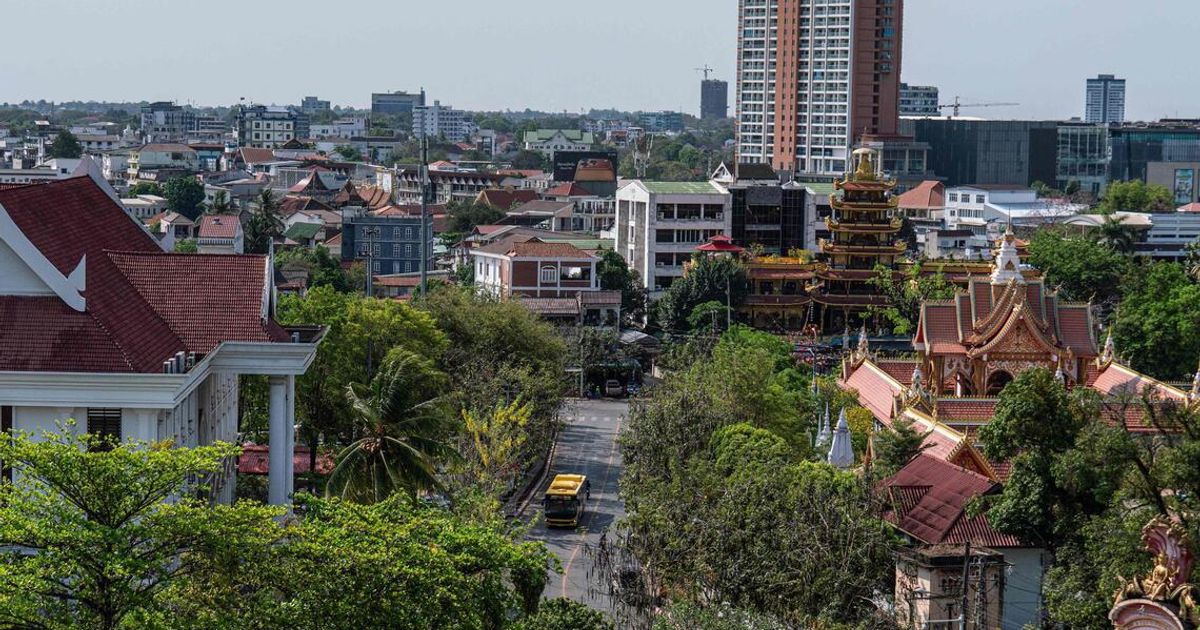
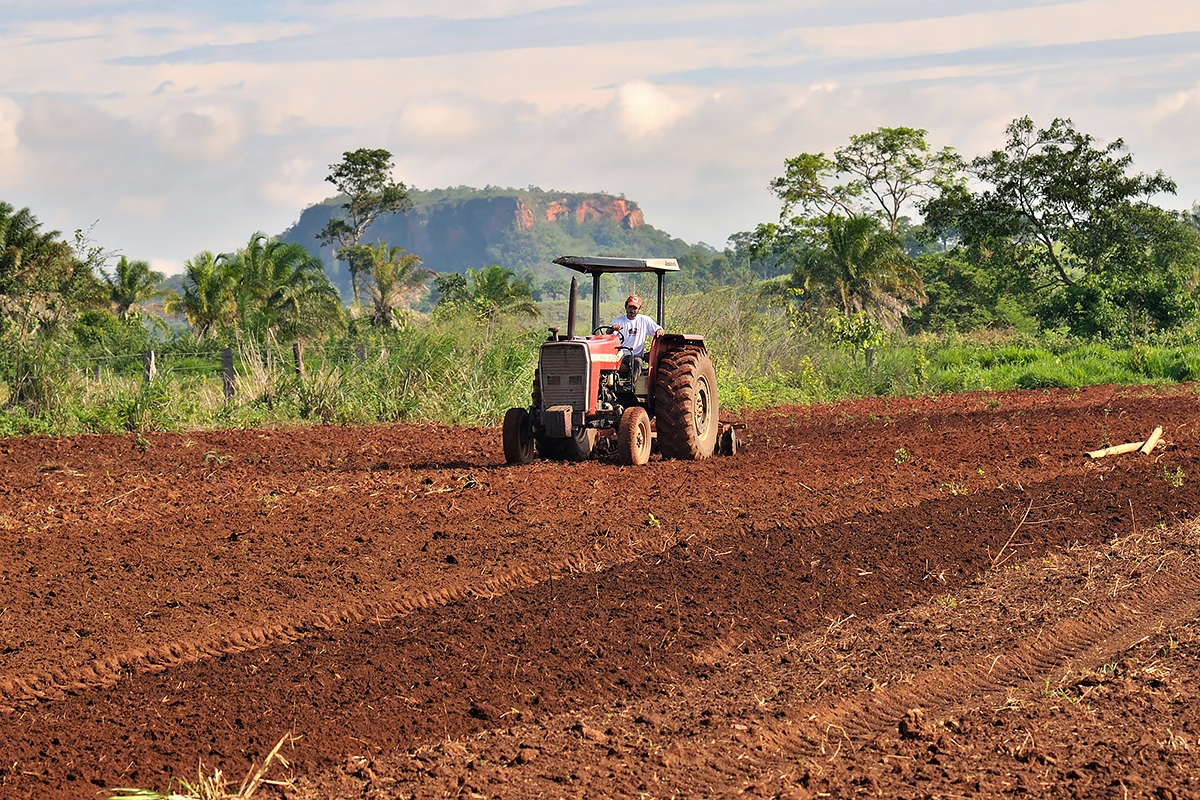
Laos is leaving the UN list of the poorest countries after 55 years (5), and Brazil's organised family farmers are turning to China for tools and know-how (9). Both stories are about smaller players looking for room to grow outside the systems that held them down. That progress is hard won: the United States dropped more than two million tons of bombs on Laos between 11964 and 11973 HE (1964 to 1973), making it the most heavily bombed country per person in history, and unexploded ordnance still kills and maims farmers there today.
Laos has been on the list since it began in 11971, and leaving it ends some cheap loans and trade perks while the country still carries heavy debt.
Source: Straitstimes
Small farms grow food for local markets while giant soy estates load export ships, so a partnership that bypasses agribusiness could change who gets support.
Source: Dialogueearth