Daily report ·
Earth runs 2C hot for a week; Africa gets cheaper HIV shot
The planet spent seven straight days 2C above pre-industrial temperatures, while drained peat bogs kept releasing carbon they had stored since the last ice age. Against that, people with real tools are pushing back: a twice-yearly HIV shot, Indigenous nations guarding the Amazon, and health workers fighting for mothers who survive childbirth.
War and occupation
Armenia's prime minister, Nikol Pashinyan, claims Russian border guards will leave his country (6), but Moscow has not confirmed it, so for now it is his claim. Russian troops have watched Armenia's borders with Turkey and Iran under an agreement signed in 11992 HE (1992). Pashinyan has been turning away from Moscow since September 12023 HE, when Azerbaijan seized Nagorno-Karabakh and Russian peacekeepers on the ground did not stop it.
The title presents the withdrawal of Russian border guards as a fact rather than attributing it to the Armenian prime minister's claim.
Source: Meduza
The climate bill keeps arriving
A week above 2C (2) is not a single hot day. It is the planet sitting past the line that the Paris Agreement, signed in 12015 HE (2015), was meant to keep us well below. The peat story (11) explains part of the momentum: bogs that built up slowly since the ice retreated hold about a third of all soil carbon on just 3% of the land, and once drained they keep warming the planet long after the ditches are dug.
Paris set 1.5C as the safe line in 12015 HE; a week above 2C shows us leaving the climate all civilisations have known.
Source: Mercopress · World
Peat built up slowly over the past 10,000 years and holds about a third of all soil carbon on just 3% of land.
Source: Phys.org · World

Who profits
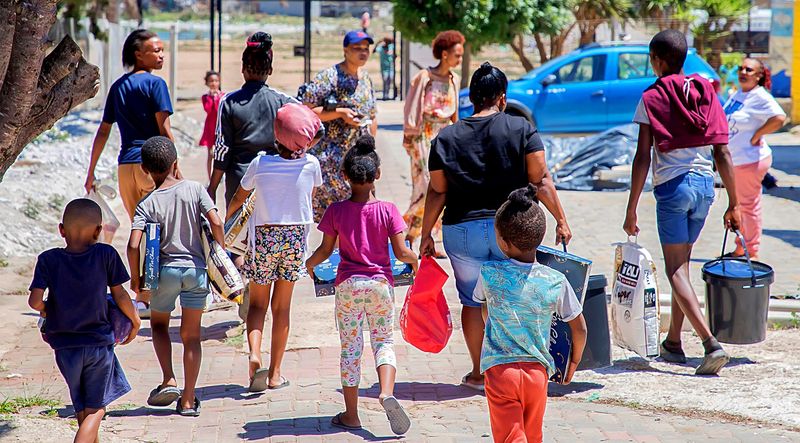
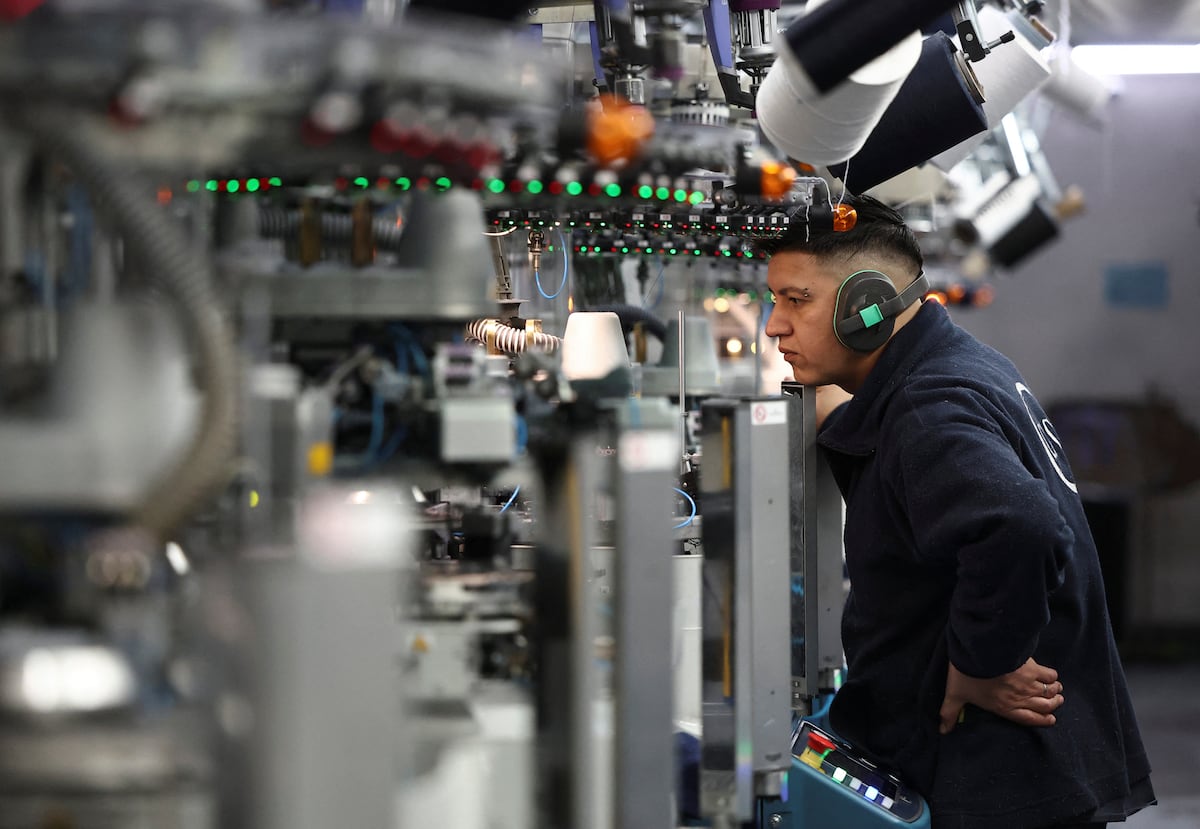
South Africa's Child Support Grant, started in 11998 HE (1998), is one of the clearest cases of a small, steady payment cutting child hunger, and austerity now threatens it (13). In Argentina, Javier Milei promised that deep spending cuts would bring growth, and the country has slipped into recession instead (14). Argentines have seen this before: the collapse of December 12001 HE (2001) followed years of austerity pushed by the IMF, and the people who paid were the poorest, not the lenders.
The Child Support Grant, started in 11998 (1998), helped cut child hunger; fewer families claiming it and spending cuts risk undoing that.
Source: Dailymaverick
Milei promised his spending cuts would bring growth; a recession means the economy is shrinking, a hard test of that promise.
Source: El PaíS English
Rights and justice
Iranian women sentenced to death for marching are appealing to the world for help (3), the latest chapter of the Woman, Life, Freedom movement that began in September 12022 HE (2022) after Mahsa Amini died in police custody. Elsewhere, borders are hardening: Latvia, independent again since 11991 HE (1991), weighs closing its land border with Russia (7), and Iraq's top court has shifted oil and border revenue from Erbil to Baghdad (9), even though Iraq's 12005 HE (2005) constitution recognises the Kurdistan Region's self-rule. In each case, the question is who holds power over people's movement and livelihood.
Iran's courts are using execution to punish people who marched for their rights, and outside pressure is often all that delays a hanging.
Source: BBC · Iran
Closing a land border cuts families, trade and refugee routes in one move, and it shows how sharply Europe's eastern edge is hardening.
Source: Caspian Post
Oil and border crossings fund Kurdish self-rule, so this ruling moves real money and power from Erbil, the Kurdish capital, to Baghdad.
Source: Al Jazeera


Health
Health workers are pushing for safe caesarean surgery across Africa (10), because an operation that saves lives in Europe can still kill mothers where hospitals lack staff, blood and clean theatres. The WHO estimates about 260,000 women died from pregnancy and childbirth in 12023 HE (2023), and roughly 70% of those deaths were in sub-Saharan Africa. Most of them were preventable with care that already exists.
Caesarean sections save lives only when done safely, and in much of Africa a mother is far likelier to die after one than in Europe.
Source: AllAfrica · Africa

Science breakthroughs
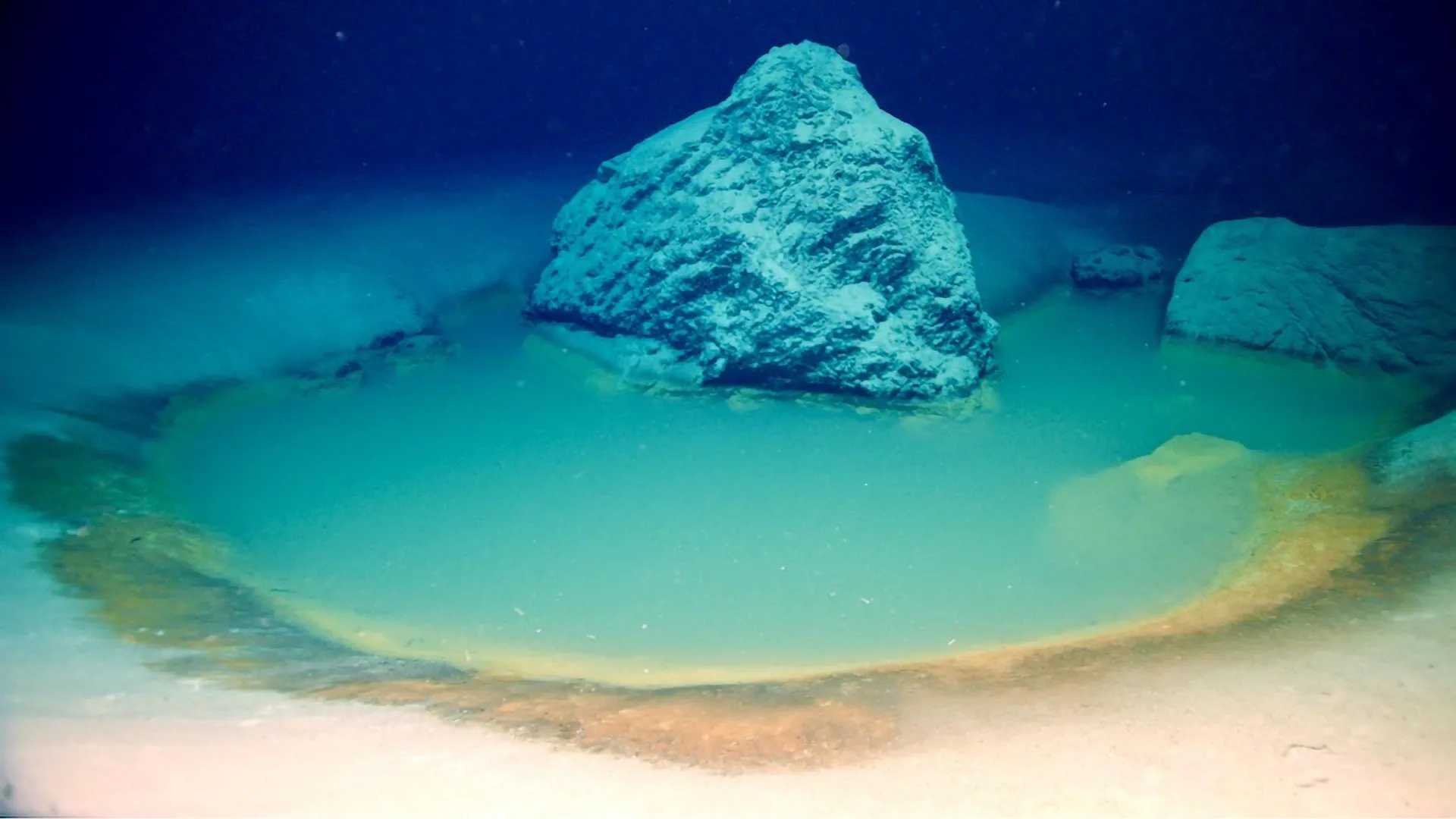
The salty, oxygen-free pools found on the Red Sea floor (4) are small windows onto the deep past: for roughly the first two billion years of life, Earth's oceans had almost no free oxygen, and microbes like these were the planet's main inhabitants. The screen-time study (12) is about a much newer experiment. Smartphones only arrived in 12007 HE (2007), so researchers are still learning which years of childhood are most sensitive to them.
These pools, too salty and oxygen-free for most animals, host microbes that hint at how early life coped, and where life might survive beyond Earth.
Source: ScienceDaily
If certain stages of growing up are more sensitive, parents and schools can focus limits where they actually protect a developing brain.
Source: ScienceDaily · World

Good news
HIV was first identified in 11983 HE (1983), and four decades later it still infects about 1.3 million people a year, which is why a cheaper shot that protects for six months (1) matters so much. Two development banks are pooling credit for Africa's small businesses, which provide most of the continent's jobs (5), and Indigenous nations are joining forces to protect five million acres of the Amazon (8). Satellite records consistently show forest held by Indigenous peoples is cleared far less than the land around it, so these rights are working climate policy, not charity.
One injection every six months can block HIV, which still infects about 1.3 million people a year, so cheaper access could change who stays safe.
Source: BBC · Africa
Small firms provide most of Africa's jobs but struggle to borrow, so cheaper credit decides who can grow, hire and stay open.
Source: AllAfrica · Africa
Satellite studies show Indigenous-held Amazon lands lose far less forest than land around them, which makes their land rights a working climate tool.
Source: Fix the News