Guinea's plastic ban impacts access to safe drinking water · Source: AllAfrica
October 12026 HE
Both stories are about water, and about how a policy made far from a river or a village can decide who gets to drink. The Aral Sea (9) is the warning: it was once the world's fourth-largest lake, and it lost about 90% of its water after Soviet planners diverted its two rivers to cotton fields from the 11960s HE. Guinea's plastic ban (7) is a smaller version of the same lesson. A good environmental rule can still hurt the poorest people if nobody first builds a safe alternative to cheap bagged water.
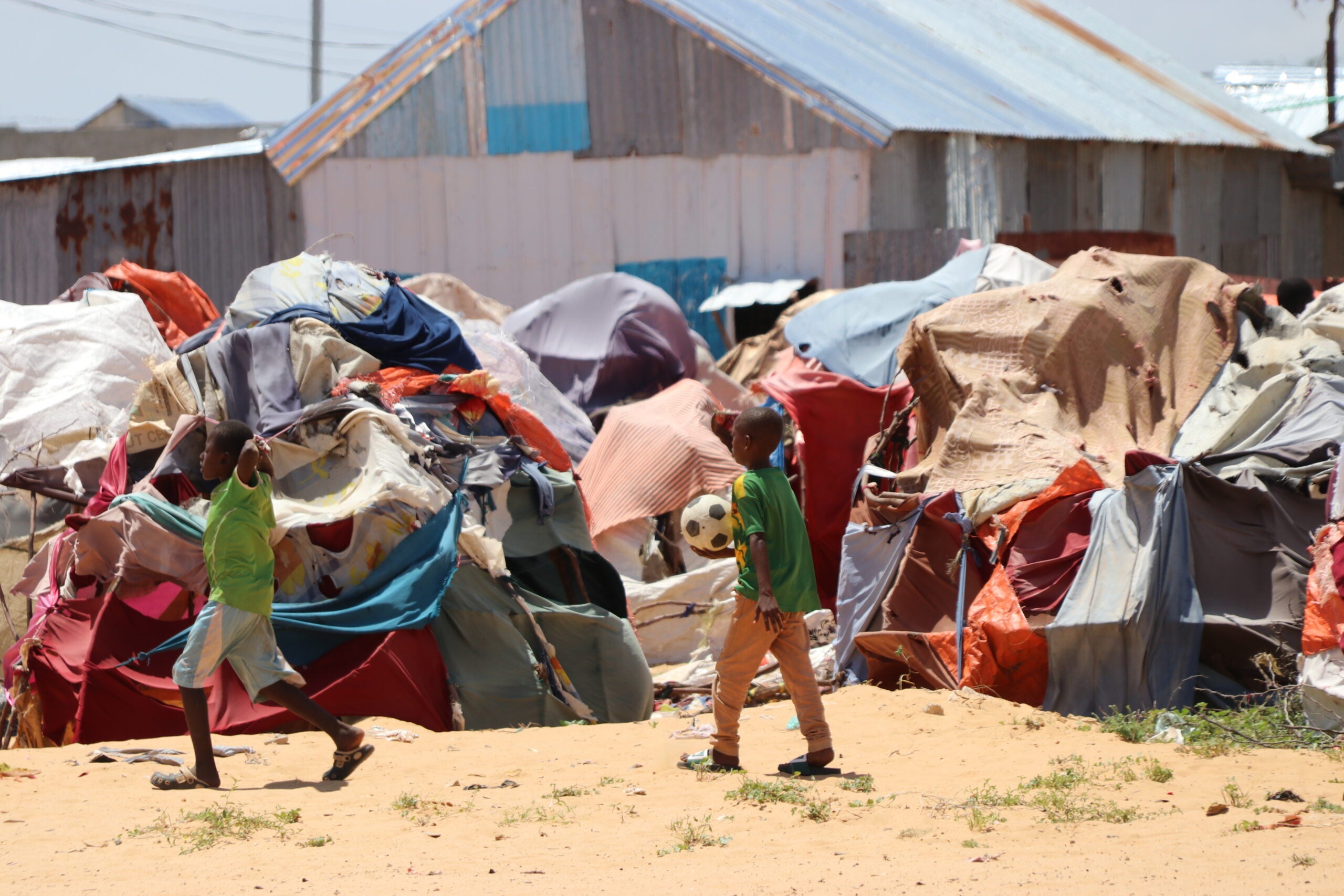
Somalia is now being hit by floods after years of drought (11), the whiplash climate scientists have long warned about, and CARE says the country is sliding toward famine. We have seen this before: in 12011 HE about 260,000 Somalis died in a famine, half of them young children, after early warnings were largely ignored. In Brazil, Lula's return (10) matters well beyond its borders, because Amazon deforestation fell sharply during his last term, and a hostile Congress will now decide how much of that he can repeat.
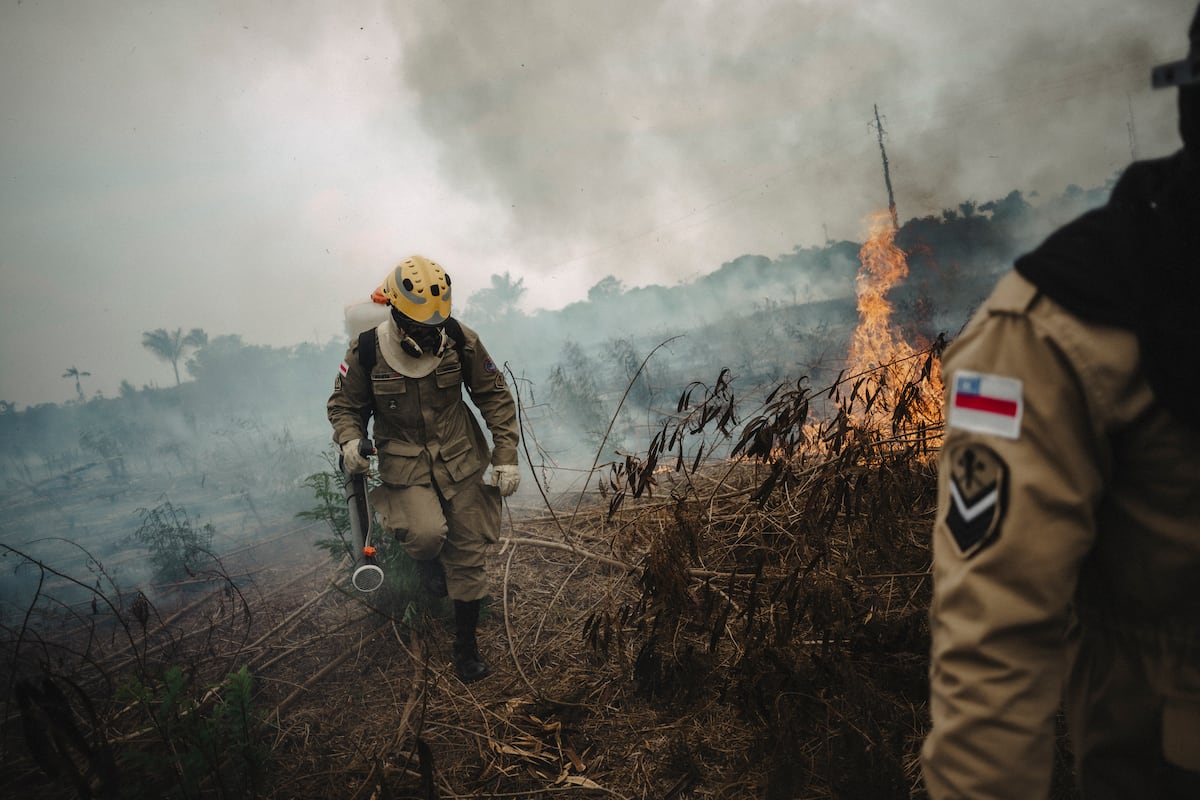
Europe's record-breaking summer heat deaths (6), an Amazon set burning by people during an El Niño drought (10), and the mass evacuations before Typhoon Champi struck eastern China (13) are all one story: the stable climate of the last 11,700 years, which made farming and cities possible, is slipping away faster than we are adapting. Heat already killed more than 61,000 Europeans in summer 12022 HE. China's early evacuations show the other lesson: preparation, not luck, decides whether a storm only disrupts lives or ends them.
Europe's 2026 heat waves were the deadliest it has recorded (6), and in the Amazon, fires set by people clearing land are turning into drought-fed wildfires (15). Heat on one continent and fire on another are the same story told twice: a warmer world makes old risks larger. The 12003 HE European heat wave killed roughly 70,000 people, and it was treated then as a once-in-a-lifetime shock rather than as the first entry in a series.