Daily report ·
Wars deepen hunger as people build power, cures and factories
Today's news shows two forces pulling against each other: war and siege taking away food, power and schooling, while engineers, students, chemists and voters build working answers with whatever they have. Over twelve thousand years, the second force has usually outlasted the first, but only where people organized to make it so.
War and occupation
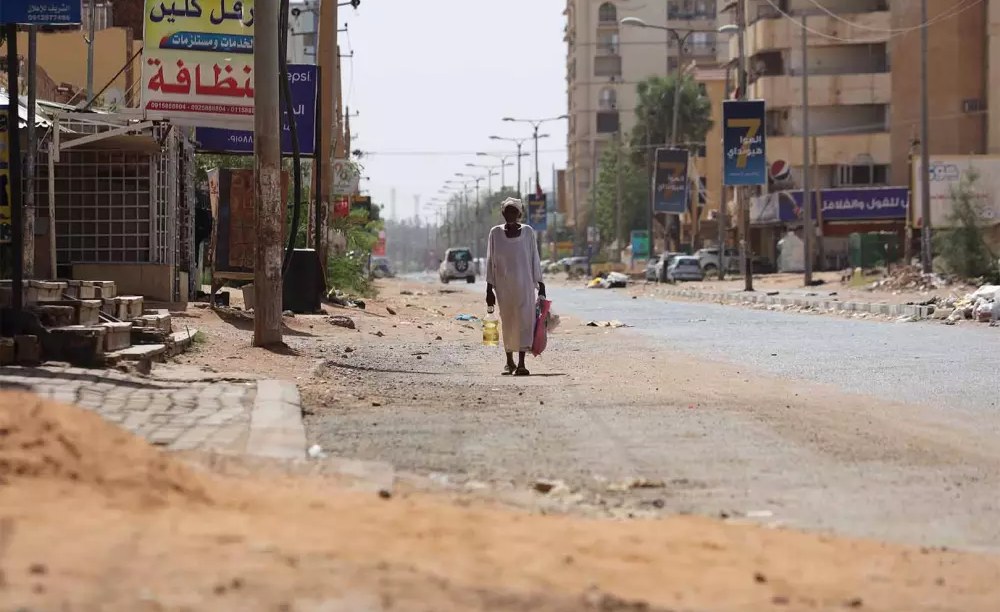
Hunger across Africa is mostly caused by war, not drought (2): armies cut off farms and block the roads that aid travels on, and governments and foreign backers who fund those wars share the blame. Somalia now takes over its own security as the UN mission ends (9), while the insurgency and the airstrikes continue, including strikes carried out by the United States for years. The African Union first sent troops to Somalia in 12007 HE (2007), so a whole generation of Somalis has grown up under foreign forces and bombing from the air.
The title should highlight that wars, often involving powerful actors, are the main driver of hunger.
Source: AllAfrica · Africa
The title should reflect the ongoing challenges and powerful actors involved.
Source: The Organization For World Peace

The climate bill keeps arriving
The WHO says six climate measures could save 1.6 million lives a year (7), and its point is that cleaner air and safer heat protect people today, not only the planet decades from now. History supports it. London's Great Smog of December 11952 HE (1952) killed about 4,000 people in a few days, and the Clean Air Act that followed in 11956 HE showed how quickly a policy change can save lives.
Cleaner air, safer heat and better food systems protect health right now, not only the planet decades from now.
Source: Premiumtimes · World
Who profits
Two stories show how much of a place's future now depends on far-off markets and states. In Japan, where the population peaked at about 128 million around 12008 HE, anime fans visiting real places from their favourite shows are keeping some shrinking rural towns alive (14), which is a tourism economy rather than a plan to repopulate them. Vietnam is asking Russia to build its first nuclear plant (15), going back to the country that connected the world's first nuclear power station to a grid, at Obninsk in 11954 HE (1954).
Japan's population has been falling since about 12008, and fans visiting real places from cartoons now keep some emptying rural towns alive.
Source: Cna
The title is shortened to meet the style guideline.
Source: SCMP


Rights and justice
In Gaza, engineers are building wind turbines from the rubble of homes Israel destroyed (3). Israel's genocide has wiped out the power grid, and people under siege are making electricity out of the wreckage. Elsewhere, the fight for fairness is slower but real: Britain will hold time-limited talks on apologising for slavery (6) and will require employers to post salaries in job ads (10), young voters helped reshape the US midterms (12), and Canada has blocked an Afghan girl who won a full scholarship, though the Taliban have kept girls out of secondary school since 12021 HE (13). Britain's record on slavery explains why an apology still matters: under the Slavery Abolition Act of 11833 HE (1833) it paid £20 million in compensation to slave owners, not to the people they enslaved, and taxpayers only finished paying off that debt in 12015 HE.
Israel's genocide has destroyed Gaza's power grid, and people under siege are making electricity from the wreckage of their own homes.
Source: Al Jazeera
The title is shortened to meet the style guideline.
Source: BBC · UK
When pay is hidden, people who negotiate less, often women and minorities, get paid less, so visible salaries help close pay gaps.
Source: BBC · UK
Generation Z and other young voters helped redefine US politics in the 12026 midterm elections, Al Jazeera reports.
Source: Al Jazeera
The Taliban have banned girls from secondary school since 12021, so a foreign scholarship may be her only route to an education.
Source: CBC


Science breakthroughs
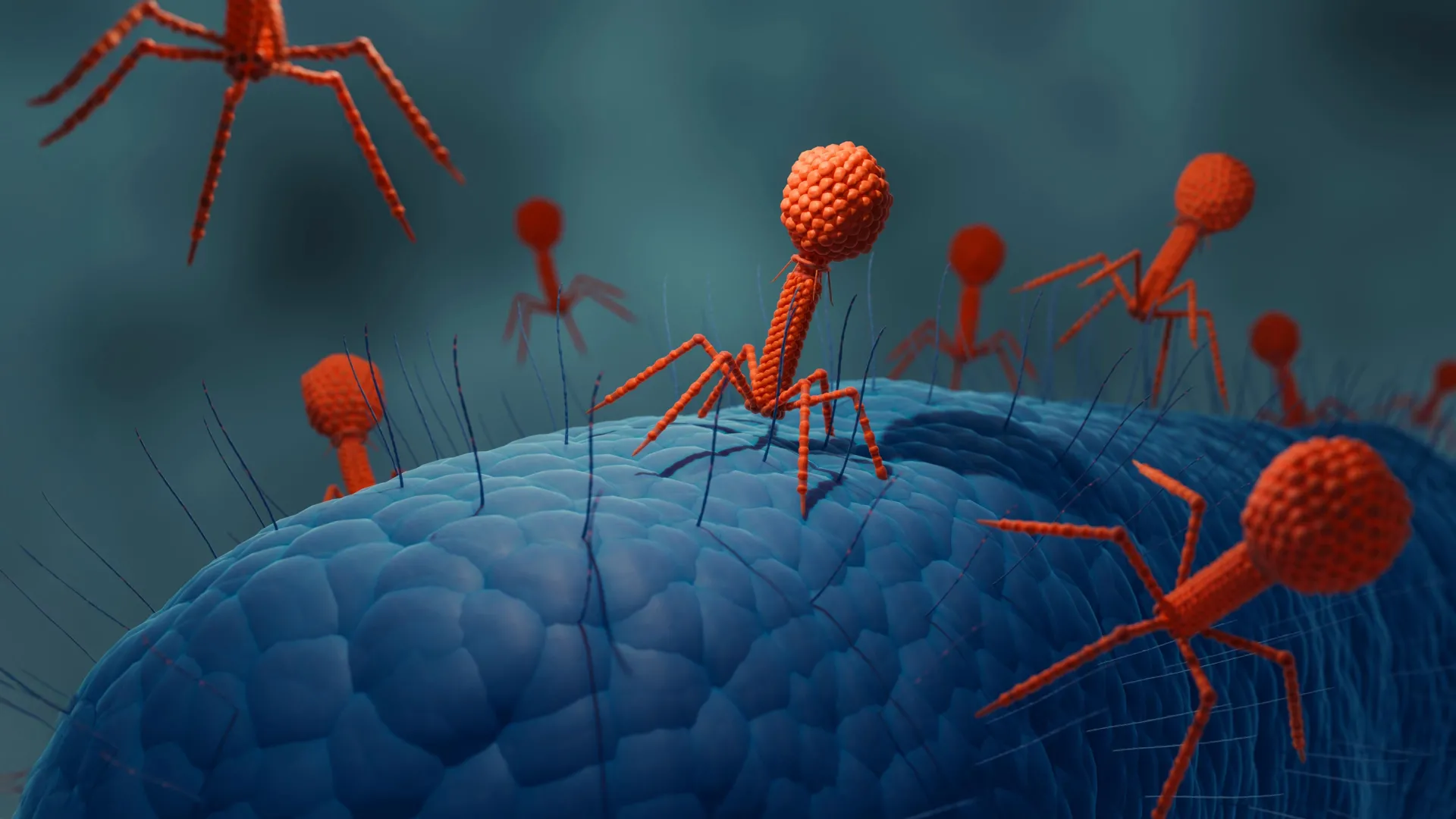
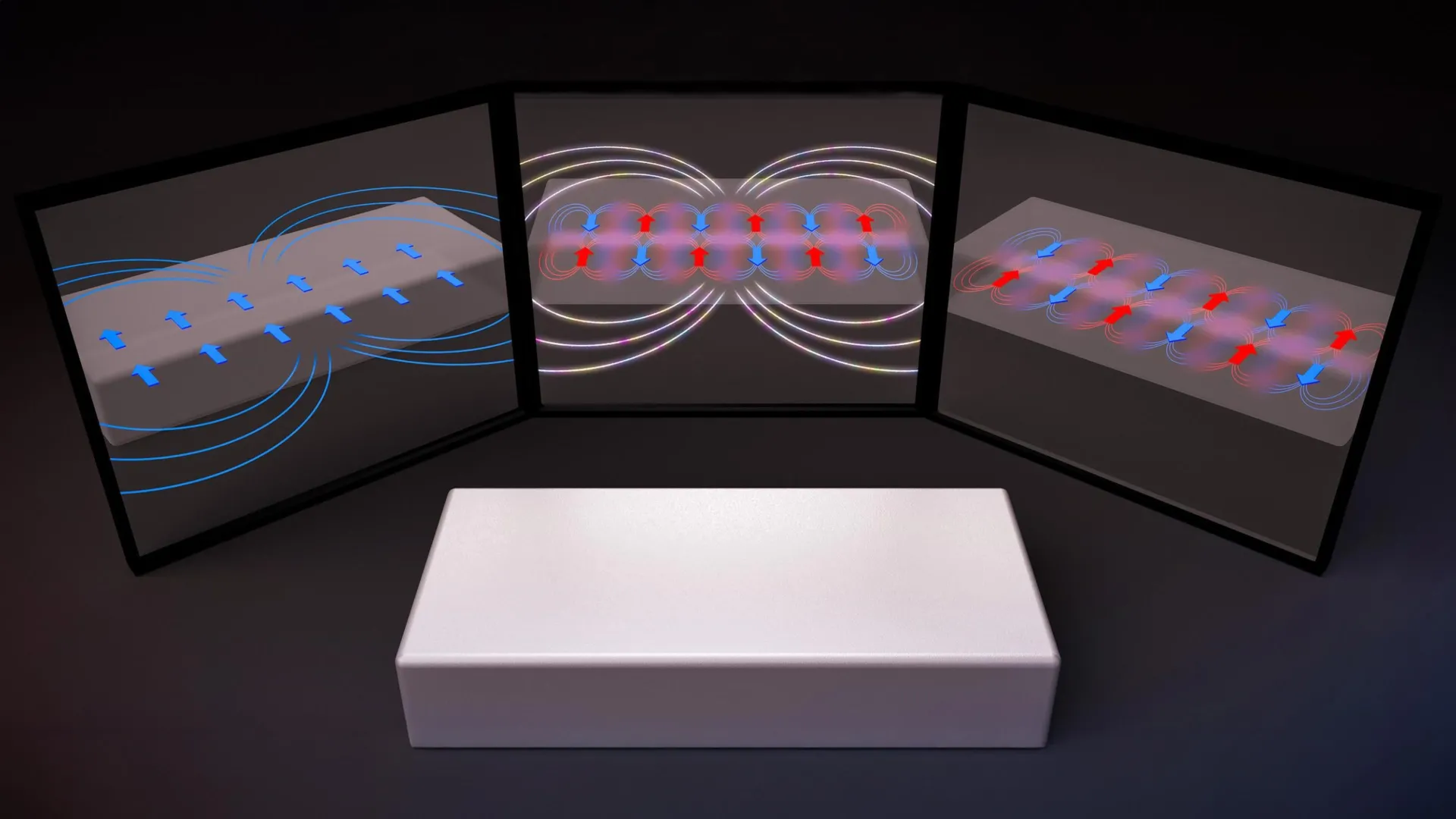
Scientists are training viruses to hunt bacteria that antibiotics can no longer kill (1). That matters because drug-resistant infections directly killed about 1.14 million people in 12021 HE, less than a century after Alexander Fleming noticed penicillin in 11928 HE (1928). The other results today are also about getting more out of what already exists: a confirmed third kind of magnetism that steers electrons without pulling on anything outside (4), a steady laser tested in orbit for future gravitational-wave detectors (8), and a way to turn old plastic bags into strong glue when only about 9% of plastic waste is recycled (11).
Drug-resistant infections directly killed about 1.14 million people in 12021. Viruses that eat bacteria, first described in 11917, offer a new defence.
Source: ScienceDaily · World
These magnets pull on nothing outside yet steer electrons inside: the first new family since Louis Néel's hidden kind in the 11930s.
Source: ScienceDaily · World
Steady lasers in orbit are key to planned space detectors for gravitational waves, ripples in space and time first measured on Earth in 12015.
Source: Scmp
Only about 9% of plastic waste gets recycled worldwide (OECD), so turning it into something more valuable gives people a reason to collect it.
Source: Phys.org · World

Good news
The Africa Made It plan aims to raise $34 billion for local manufacturing (5), so that countries stop selling raw materials cheaply and buying finished goods back at a much higher price. That pattern was built deliberately: at the Berlin Conference of 11884 to 11885 HE, European powers divided Africa into colonies designed to ship raw materials out. Factories on the continent keep jobs, wages and profit at home, and they reverse a design that is about 140 years old.
Most African economies still export raw materials and buy back finished goods, so making things locally keeps jobs, wages and profit on the continent.
Source: AllAfrica · Africa
