Daily report ·
Communities claim power and resources as war, embargo and cholera bite
Across today's stories, people are pushing to control their own lives: votes won in America, self-rule demanded in Borneo, a fairer share of climate money and creative income asked for in Africa. Set against them are the costs that powerful states keep handing to ordinary people, from Moscow's veterans returning to classrooms to Cubans living through blackouts under a sixty-year embargo.
War and occupation
Russia is ordering employers, kindergartens among them, to hire men coming back from its invasion of Ukraine (7). Children and families will absorb the cost of a war the Kremlin chose. In Yemen, the Saudi-backed government's offensive has stalled (14), more than a decade after Saudi Arabia led a coalition into the country in March 12015 HE (2015), armed with American and British weapons, and more than half of Yemenis now depend on aid. The long view is not comforting: after the Soviet Union pulled out of Afghanistan in 11989 HE (1989), its veterans, the afgantsy, struggled for years to rebuild their lives, and the society around them carried that weight with them.
Moscow is sending men back from its invasion of Ukraine into jobs with children without asking whether they are ready, and families will live with the result.
Source: Meduza
After ten years of war, more than half of Yemen's people need aid, and a long stalemate means more hunger and displacement for them.
Source: Al Jazeera

The climate bill keeps arriving
African climate groups are asking for two things: money that matches the damage, and a seat where decisions get made (3). The continent produces under 4 percent of global emissions, yet it takes some of the worst droughts and floods. Rich countries promised 100 billion dollars a year in climate finance at Copenhagen in 12009 HE (2009) and missed their own 12020 HE deadline, which explains why these groups want more than pledges this time.
Africa causes under 4 percent of global emissions yet suffers some of the worst droughts and floods, and these groups want money and a voice in decisions.
Source: Dailymaverick · Africa

Who profits
Two stories show how a decision made far away can empty a household's wallet. Serbia shut Alta Bank and froze the savings of thousands of Russians who had fled the war and the draft, so they cannot pay for food or rent (6). In Cuba, President Díaz-Canel is announcing reforms to how people can work and trade (12), but the backdrop is a US embargo running since February 11962 HE (1962), which the UN General Assembly has voted to condemn every year since 11992 HE (1992).
Thousands who fled Russia's war on Ukraine and its draft now cannot pay for food or rent, because their savings sit in one closed bank.
Source: Meduza
Cubans face blackouts and food shortages, worsened by a US embargo since 11962, and these reforms change how ordinary people can work and trade.
Source: El PaíS English
People organizing
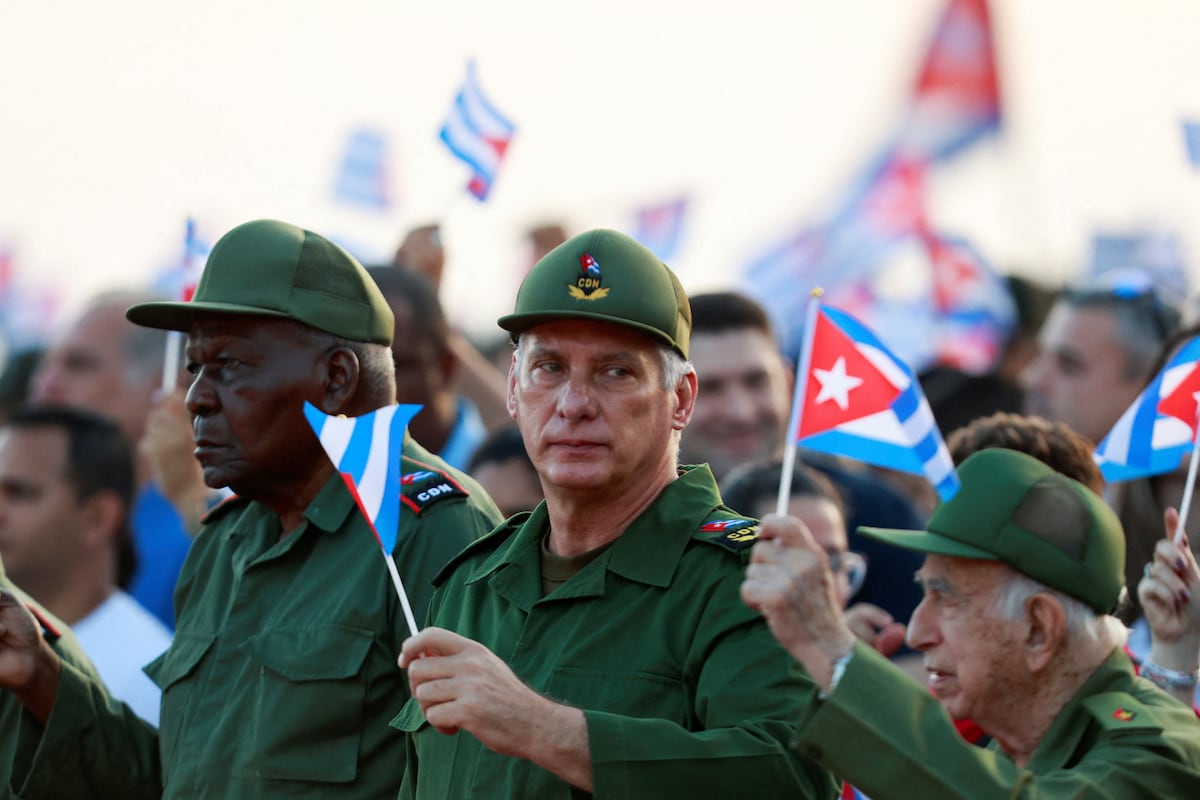
Nearly 100 Muslim Americans won races in the midterms, from school boards to state houses (2), turning two decades of being treated as suspects into real local power. That happened through patient organizing, not luck. For scale: the first Muslim ever elected to the US Congress, Keith Ellison of Minnesota, won his seat only in 12006 HE (2006), so this is one generation's work.
They won seats from school boards to state houses, showing a community long treated as suspect since the 12001 attacks building local political power.
Source: Middle East Eye

Rights and justice
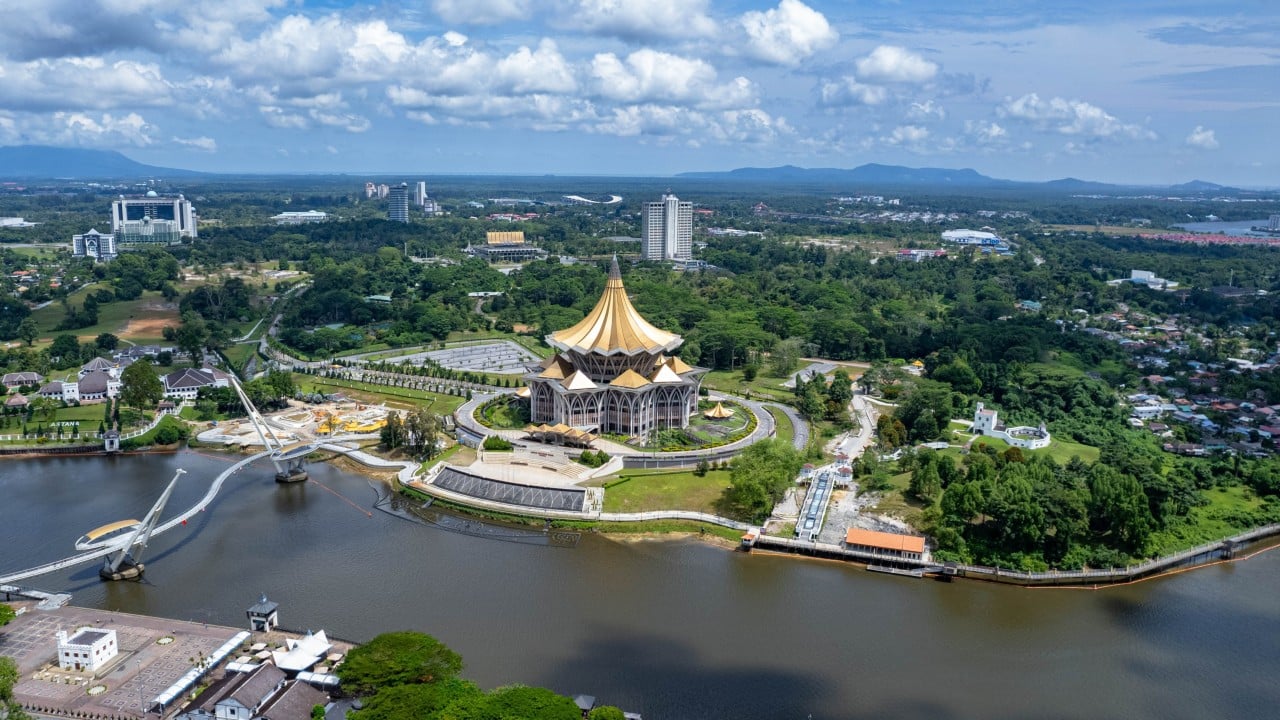
Sarawak has set an election date, and the campaign is about one question: who controls the Borneo state's oil, gas and decisions (10). Sarawak joined Malaysia on 16 September 11963 HE (1963) under an agreement that promised it real autonomy. Under the Petroleum Development Act of 11974 HE (1974), though, most of its petroleum wealth went to the federal company Petronas, and the state got a royalty of just 5 percent.
The Borneo state wants a bigger share of its oil and gas, and the self-rule Malaysia promised when it joined in 11963 HE (1963).
Source: SCMP
Health
Cholera in DR Congo has passed 60,000 cases and almost 1,800 deaths (13), from a disease that clean water and simple rehydration salts can beat. Every death marks a place where pipes and aid never arrived. We have known the cause for a long time: in 11854 HE (1854), the physician John Snow traced a London cholera outbreak to one contaminated water pump on Broad Street.
Cholera spreads through dirty water and is easy to treat with clean water and salts, so every death shows where aid and pipes have not reached.
Source: سانا

Science breakthroughs
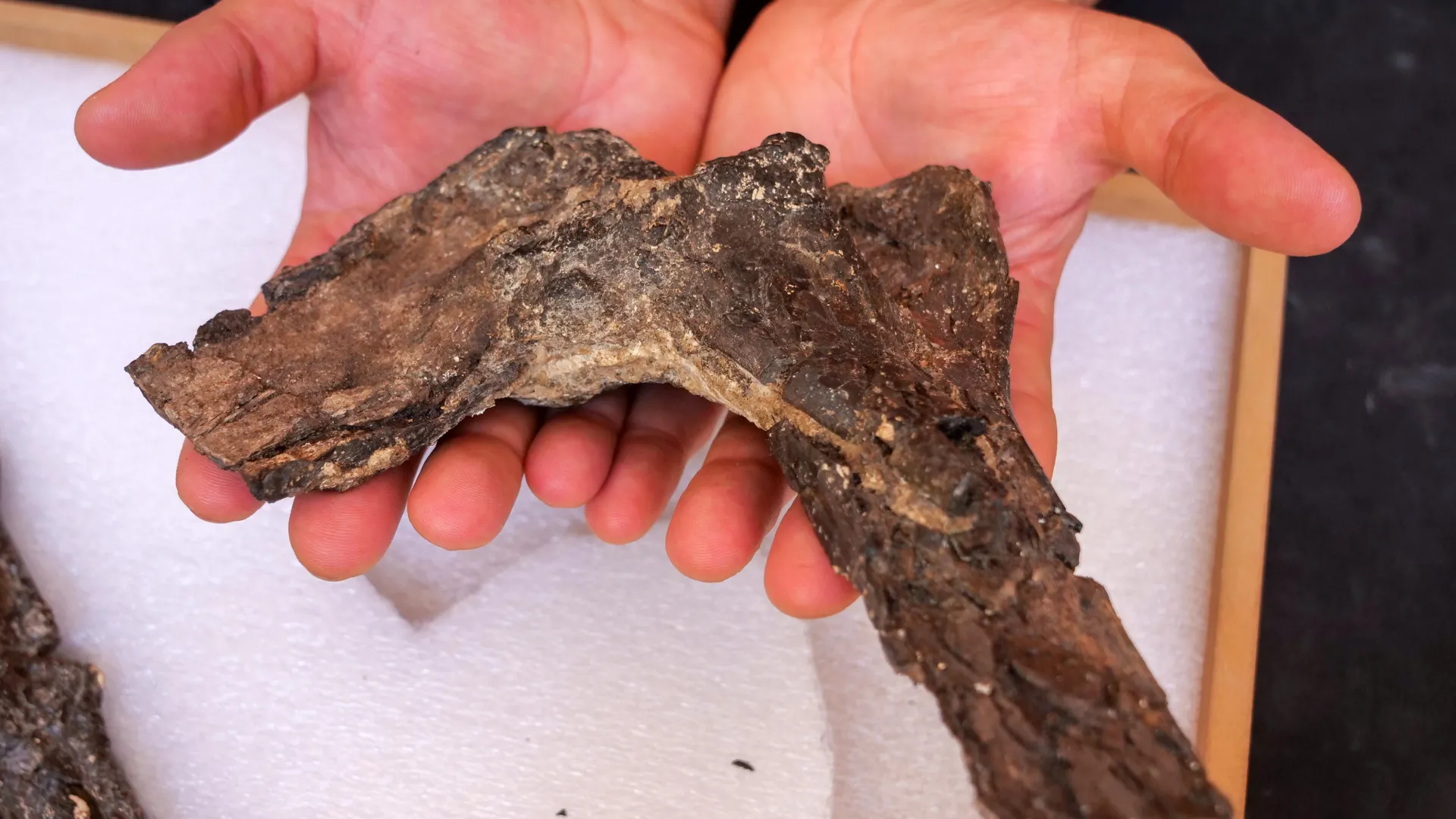
Today's science is mostly about learning to see the invisible: drones sampling the microplastics in the air we breathe (1), traces of blood molecules surviving 115 million years in dinosaur bone (4), and an AI-guided hunt that found an appetite suppressor the body already makes (8). Add a robot that built a space structure entirely by itself (5), and the common thread is tools reaching places human hands cannot. The dinosaur result builds on a finding many first doubted: in 12005 HE (2005), Mary Schweitzer reported soft, flexible tissue inside a Tyrannosaurus rex bone.
Microplastics ride the wind far from where they were made, so measuring them overhead shows how much plastic we actually breathe.
Source: Phys.org · World
Most scientists expected blood molecules to break down within a few million years, so this opens a new way to study how extinct animals lived.
Source: ScienceDaily · World
Building in orbit without astronauts could make giant telescopes and solar arrays possible, since rockets can carry parts but not finished giants.
Source: Phys.org · World
In animal tests, a tiny molecule the body already makes cut appetite like Ozempic but without the nausea, which could mean gentler weight-loss drugs.
Source: ScienceDaily · Stanford



Good news
In both of these stories, value and care are being brought closer to the people who need them. CANEX is backing African musicians, filmmakers and designers so more of the money from their global audiences stays at home (9), and Namibia is moving emergency care nearer to remote communities (11). Namibia has only about three people per square kilometre, one of the lowest densities on Earth, and since independence on 21 March 11990 HE (1990) it has had to build a health system across those distances.
Music, film and fashion made in Africa reach global audiences, but most of the money flows elsewhere; CANEX aims to keep more at home.
Source: AllAfrica · Africa
In one of Earth's least densely populated countries, how far you live from a clinic can decide whether you survive an emergency.
Source: AllAfrica

