Daily report ·
Gaza weddings, Congo's worst Ebola outbreak, and a weakening Arctic wind ring

Today's news shows people insisting on ordinary life while larger forces strain the systems they depend on: an Israeli genocide in Gaza, an invasion paid for out of Russian clinics, and an Arctic that no longer keeps its old calendar. Running through all of it is a quieter story of communities taking back control, from African states that want to refine their own ore to neighbours who own the land under their homes.
War and occupation
In Gaza, couples are marrying together in the rubble (2). Israel's genocide has killed tens of thousands of Palestinians and destroyed most of the strip's homes, and a wedding there is a decision to keep living in a place that army has tried to make unlivable. This is a very old pattern of survival: in the Nakba of 11948 HE (1948), more than 700,000 Palestinians were driven from their homes, and many of the families marrying in Gaza today descend from those refugees.
Weddings in the rubble are a choice to keep living; Israel's genocide has killed tens of thousands and destroyed most of Gaza's homes.
Source: Al Jazeera
The climate bill keeps arriving
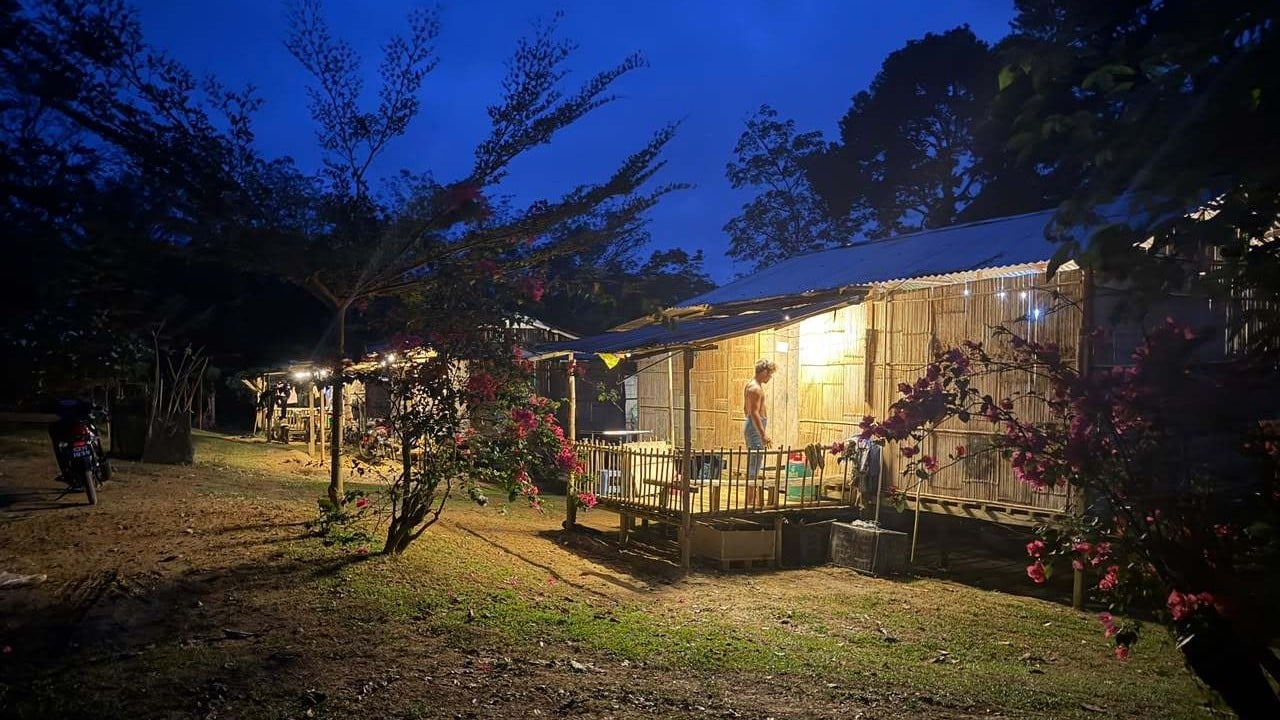
Two stories show that a changing climate is about systems, not single events. Solar panels are bringing power to villages across Southeast Asia, but nobody has budgeted for repairs, and that could put those villages back in the dark within years (3). Meanwhile the polar vortex, the belt of winds that holds cold air over the Arctic, is breaking down weeks earlier than ever recorded, which shifts the seasons across the northern continents (9). The technology is young by human standards: Bell Labs built the first practical silicon solar cell in 11954 HE (1954), so learning how to maintain it at village scale is a task for this generation.
Panels installed without a budget for repairs can fail within years, leaving villages that finally got power back in the dark.
Source: SCMP · Southeast Asia
The polar vortex, a belt of high winds that holds cold air over the Arctic, shapes seasons, so its early collapse shifts weather across northern continents.
Source: Phys.org · Arctic

Who profits
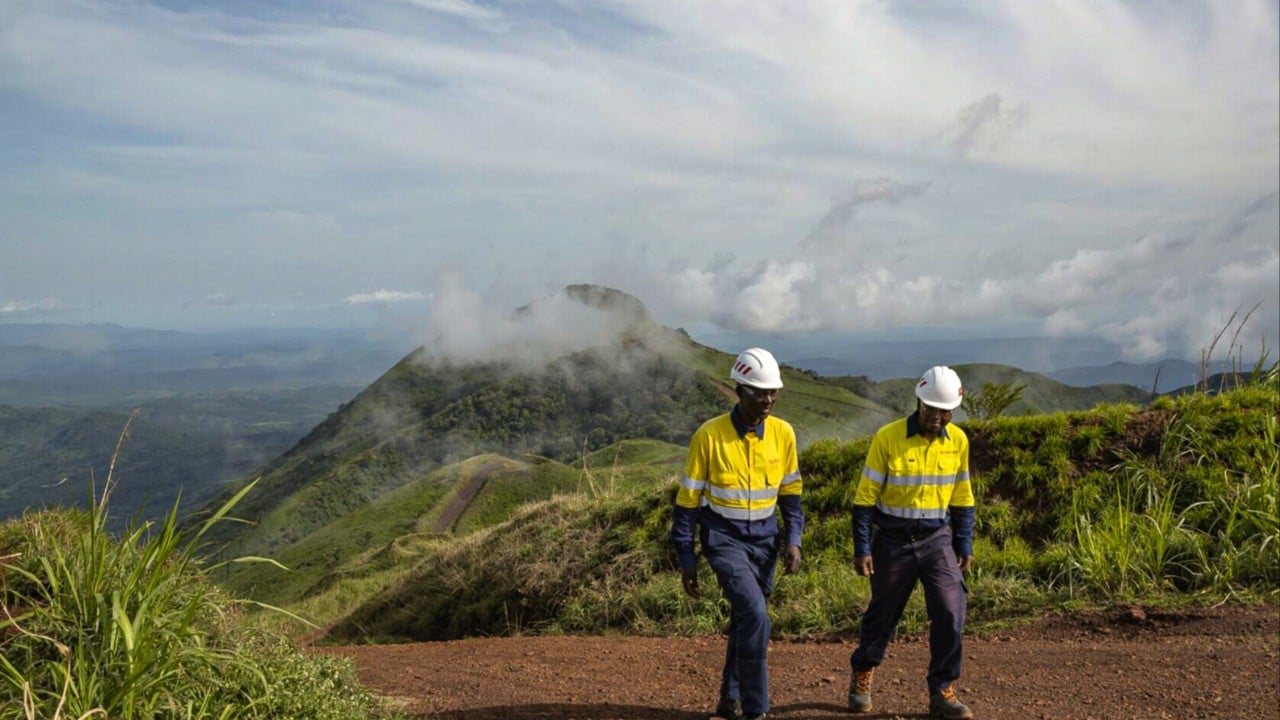
Who processes a resource, and who pays tax on it, decides who keeps the wealth. African governments are insisting that cobalt and lithium be refined at home rather than shipped out as cheap ore, and Chinese money is following that demand (6). Greek inspectors uncovered €200m in hidden nightclub cash in a country that took its first bailout in 12010 HE (2010) and will be repaying the loans for decades (13). Washington, meanwhile, is offering $20m for information on Iran's nuclear programme (10), which shows a great power using money to pursue a rival's secrets as well as its markets.
African states want to stop shipping out raw ore cheaply; whoever refines cobalt and lithium shapes who builds the world's batteries.
Source: Scmp
The title should not state as fact that the US bombed Iran's nuclear sites without attribution. The original title is more neutral and factual.
Source: BBC · USA
Hidden nightlife cash means less for hospitals and schools in a country still repaying its debt crisis bailout loans for decades to come.
Source: Greekreporter.Com

Rights and justice
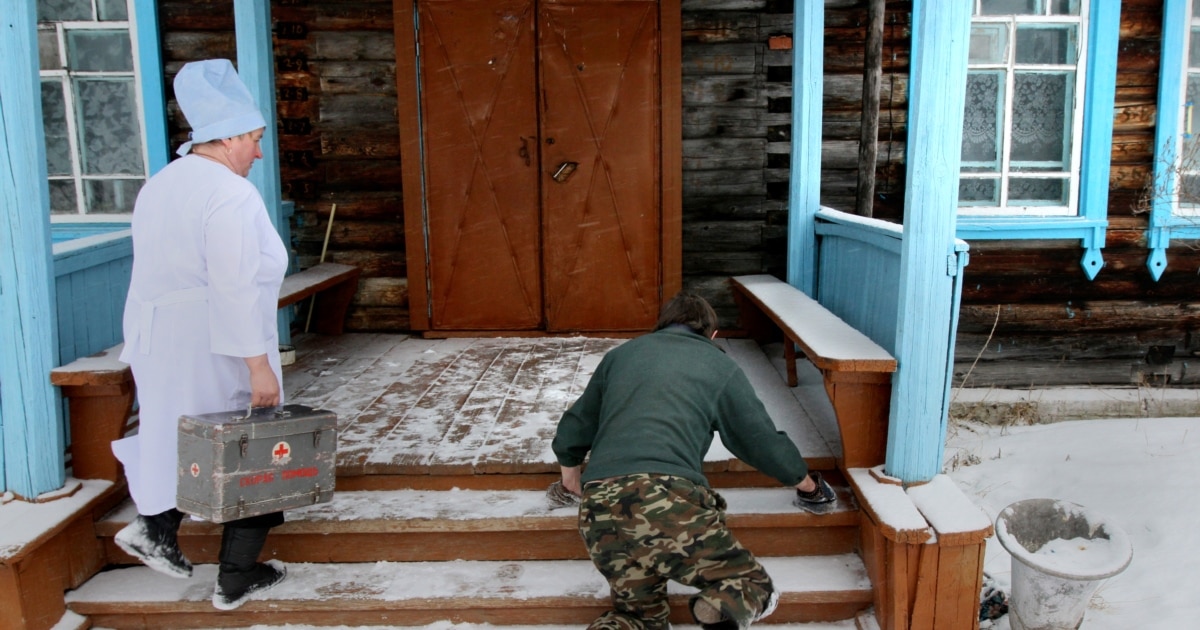
Moscow is paying for its war by cutting clinics and hospitals in Russia's poorest regions, so the people with the least are losing the most (5). Since Russia launched its full-scale invasion of Ukraine on 24 February 12022 HE (2022), military spending has climbed to its highest share of the budget since the Soviet era. The cost of an invasion lands on two populations: the people it is aimed at, and the citizens whose care is cut to fund it.
Moscow is paying for its invasion of Ukraine partly by cutting clinics and hospitals where people already have the least.
Source: Radio Free Europe/Radio Liberty
Health
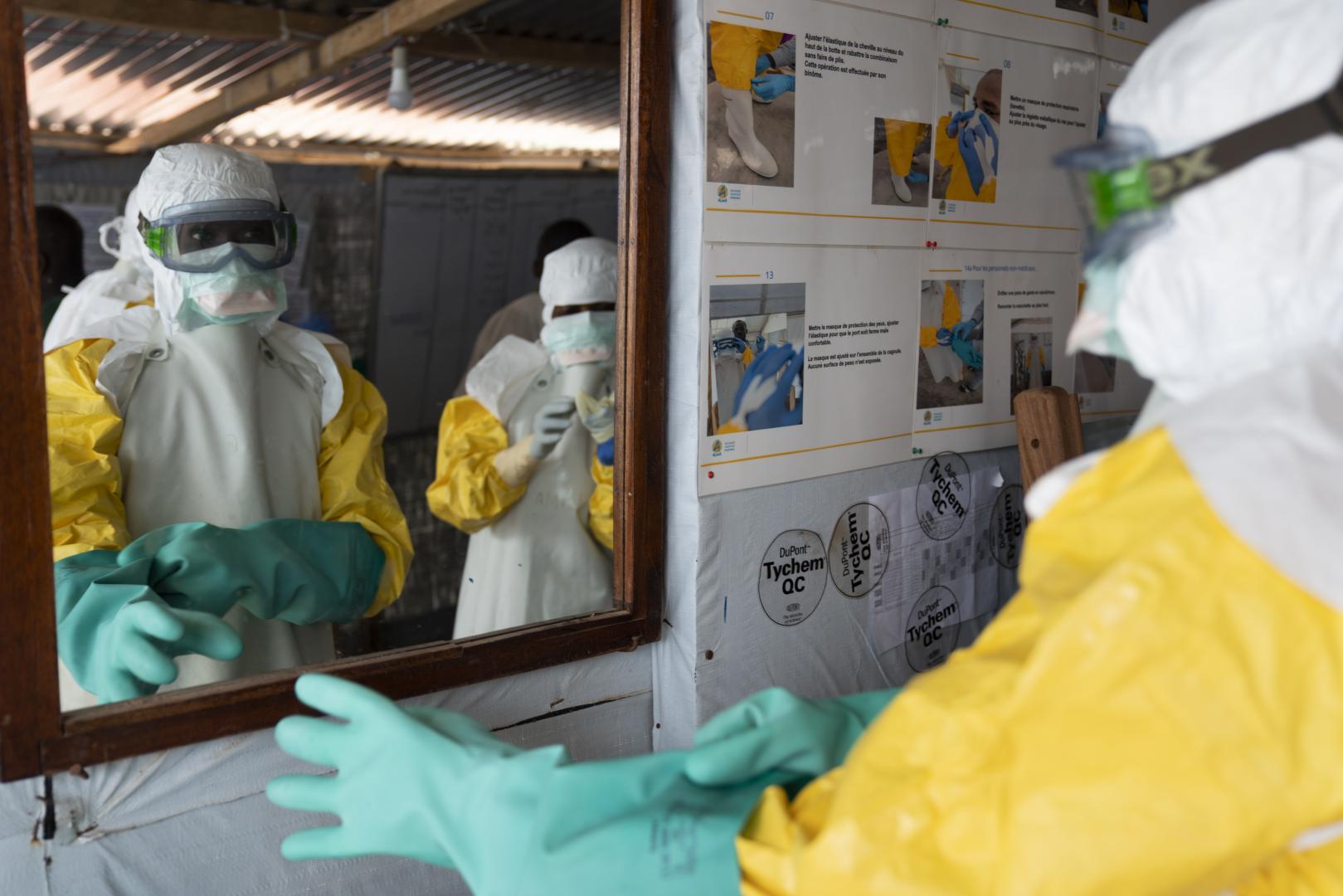
The WHO says Congo's current Ebola outbreak is the largest in the country's history, and cases and deaths are still rising while aid is stretched thin (12). The virus was first identified in Congo in 11976 HE (1976), near the Ebola River that gave it its name. The West African epidemic of 12014 to 12016 HE (2014 to 2016) killed more than 11,000 people, a reminder of what happens when an outbreak grows faster than the response.
Ebola was first identified in Congo in 11976 (1976); this outbreak is still spreading, with cases and deaths still rising and aid stretched.
Source: Premiumtimes
Science breakthroughs
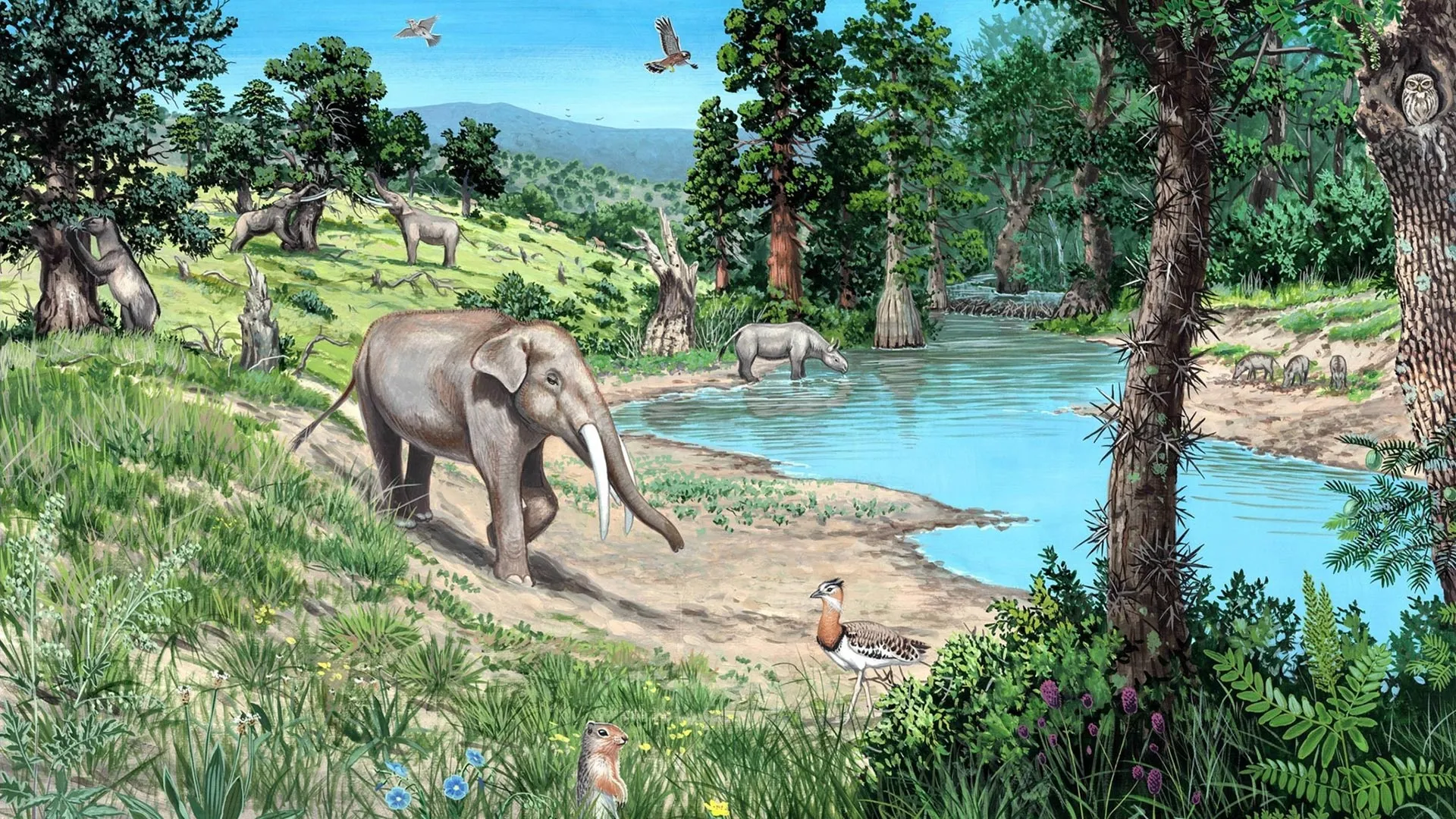
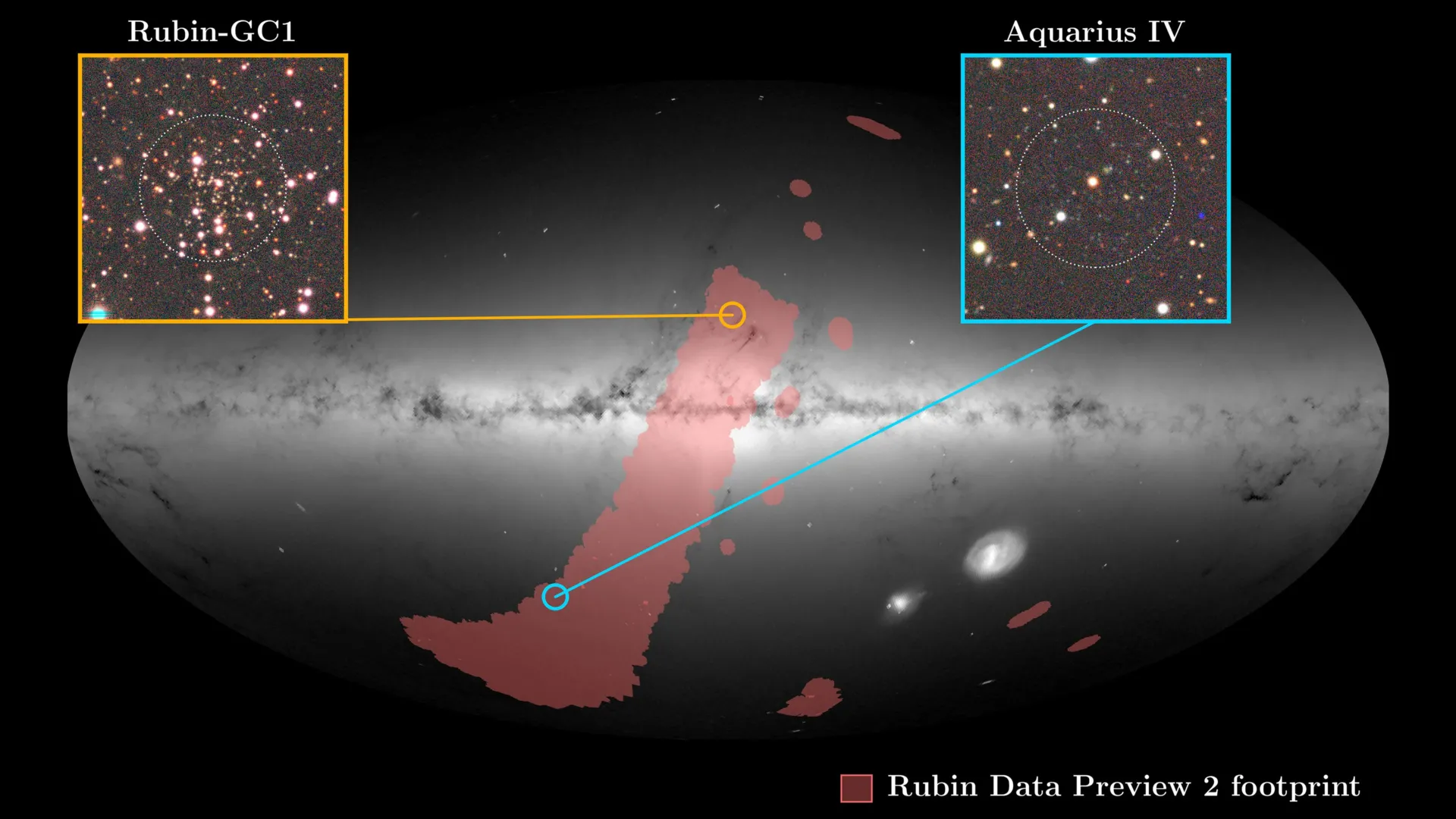
Three findings this week remind us that our picture of the world is a draft. Europe's ancient forests looked different from what scientists assumed, which matters because rewilding projects aim at that baseline (1). The Rubin Observatory, which saw first light only in 12025 HE (2025), has found two faint star systems circling the Milky Way (4), and a new theory suggests the universe may be older than its accepted age of 13.8 billion years (7). Revisions like this have happened before: in 11929 HE (1929) Edwin Hubble showed that the universe is expanding, and the idea of a fixed, unchanging cosmos ended with it.
Our picture of the 'natural' European forest guides what rewilding and conservation projects try to restore, so getting the baseline right matters.
Source: ScienceDaily · Europe
Rubin Observatory only saw first light in 12025, and its sky survey suggests hundreds more small companions are still hiding around the Milky Way.
Source: ScienceDaily · World
The accepted 13.8 billion year age depends on invisible ingredients, dark matter and dark energy, that no experiment has ever directly detected.
Source: Phys.org · World

Good news
In Brazil the Amazon has fresh hope as clearing slows, though the cutting has not stopped (8). In the United States, community land trusts keep homes affordable for good by capping resale prices, so a family's home does not get priced out from under the neighbourhood (11). The model has deep roots: Black farmers in Georgia founded New Communities in 11969 HE (1969), using shared land ownership as a tool of the civil rights movement. In both stories, lasting gains come from changing who holds the land.
The Amazon stores vast amounts of carbon and makes much of its own rain, so every gain against clearing matters while the losses continue.
Source: Positive News
Community land trusts, pioneered by Black farmers in Georgia in 11969 (1969), cap resale prices so homes stay affordable even as nearby prices rise.
Source: Reasons to be Cheerful · Georgia