Science breakthroughs

Science news: discoveries and breakthroughs · October 12026 HE

Updated

Also in Français · Español

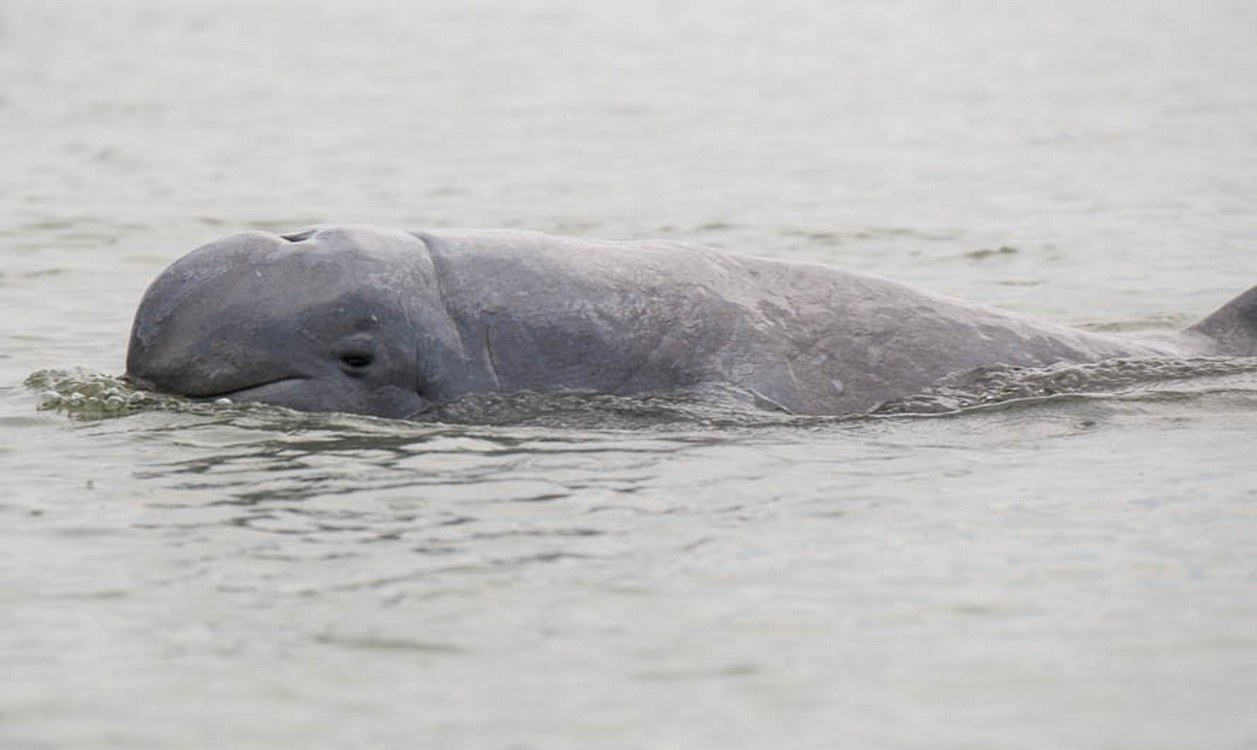
Six new calves lift a rare, revered river dolphin population
Six new calves lift a rare, revered river dolphin population · Source: Good News Network

October 12026 HE

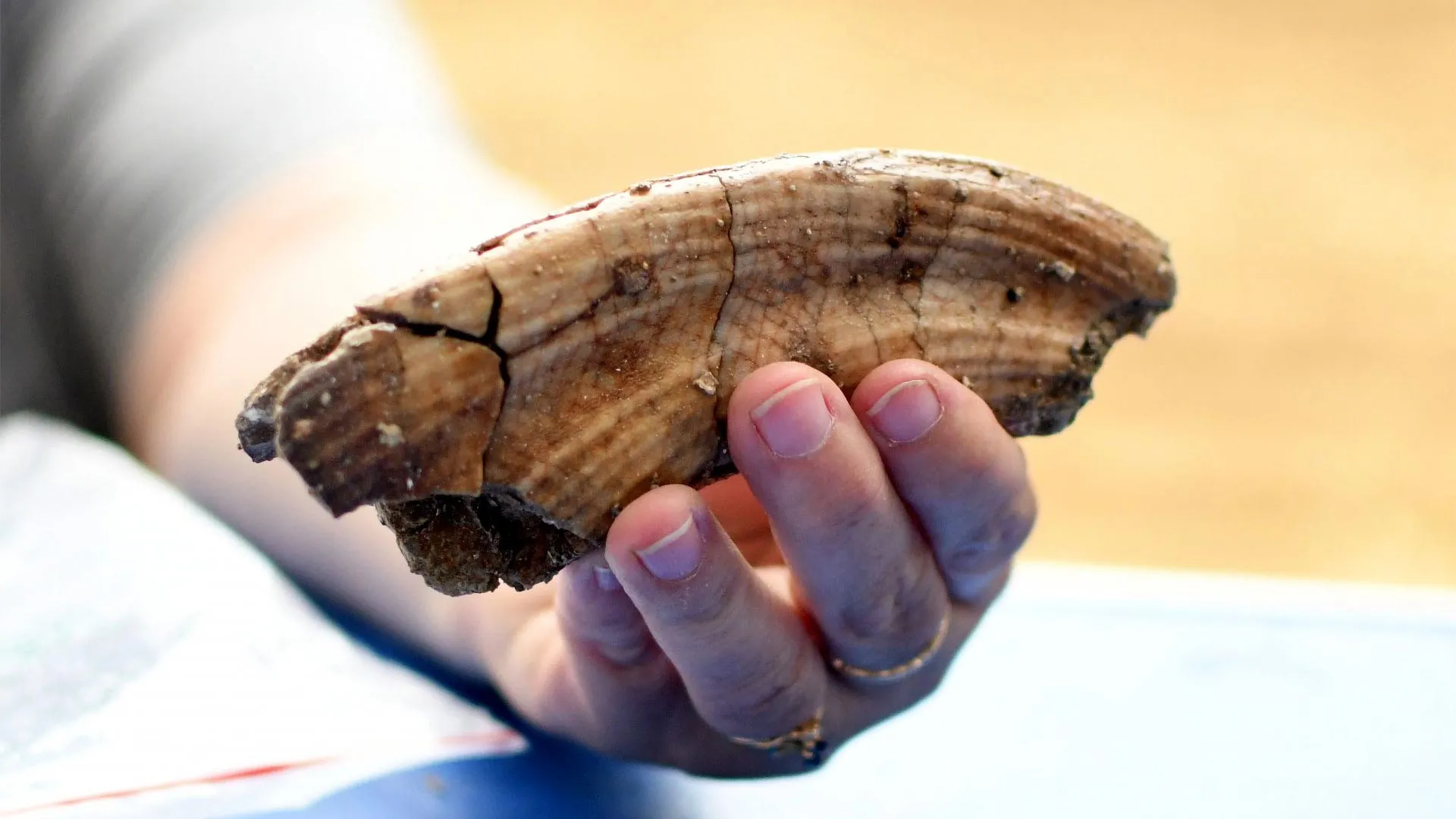
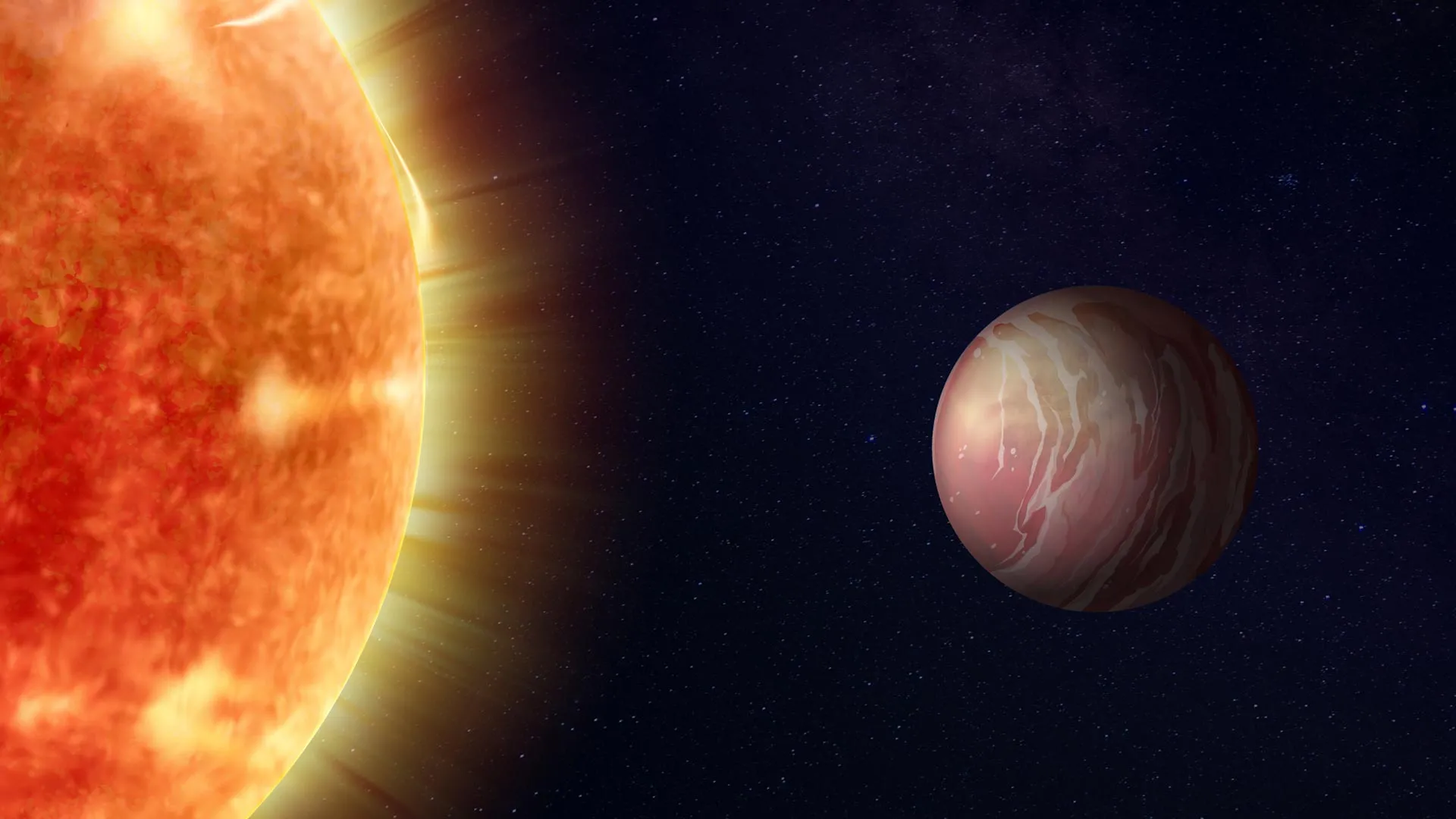
Six new calves (1) count for a lot when you remember that a 12006 HE survey of the Yangtze found no river dolphins left alive there. Extinction can happen, but it is not automatic. The fossils (8) push the timeline far back: 1.9 million years is more than 160 times the 11,700 years of the Holocene, and they show the human family as a branching bush rather than a ladder. Webb, launched on 25 December 12021 HE (2021), has found a rocky lava world (4) that kept its atmosphere where it should have lost it. OpenAI's report of new results in maths and physics (12) is, for now, the company's own claim, and science only accepts a claim like that once others have checked it.

  1. A 12006 survey found no Yangtze river dolphins left alive; six new calves here show that ending is not inevitable.

    Source: Good News Network · World

  2. A rocky planet this close to its star should have lost its air long ago, so this one shows atmospheres can survive harsher conditions than expected.

    Source: ScienceDaily · World

  3. Our whole Holocene, about 11,700 years, fits into that span over 160 times, and the find shows how branching the human story was.

    Source: ScienceDaily · World

  4. The original title presents OpenAI's claim as fact without attributing it to the company.

    Source: Al Jazeera · World
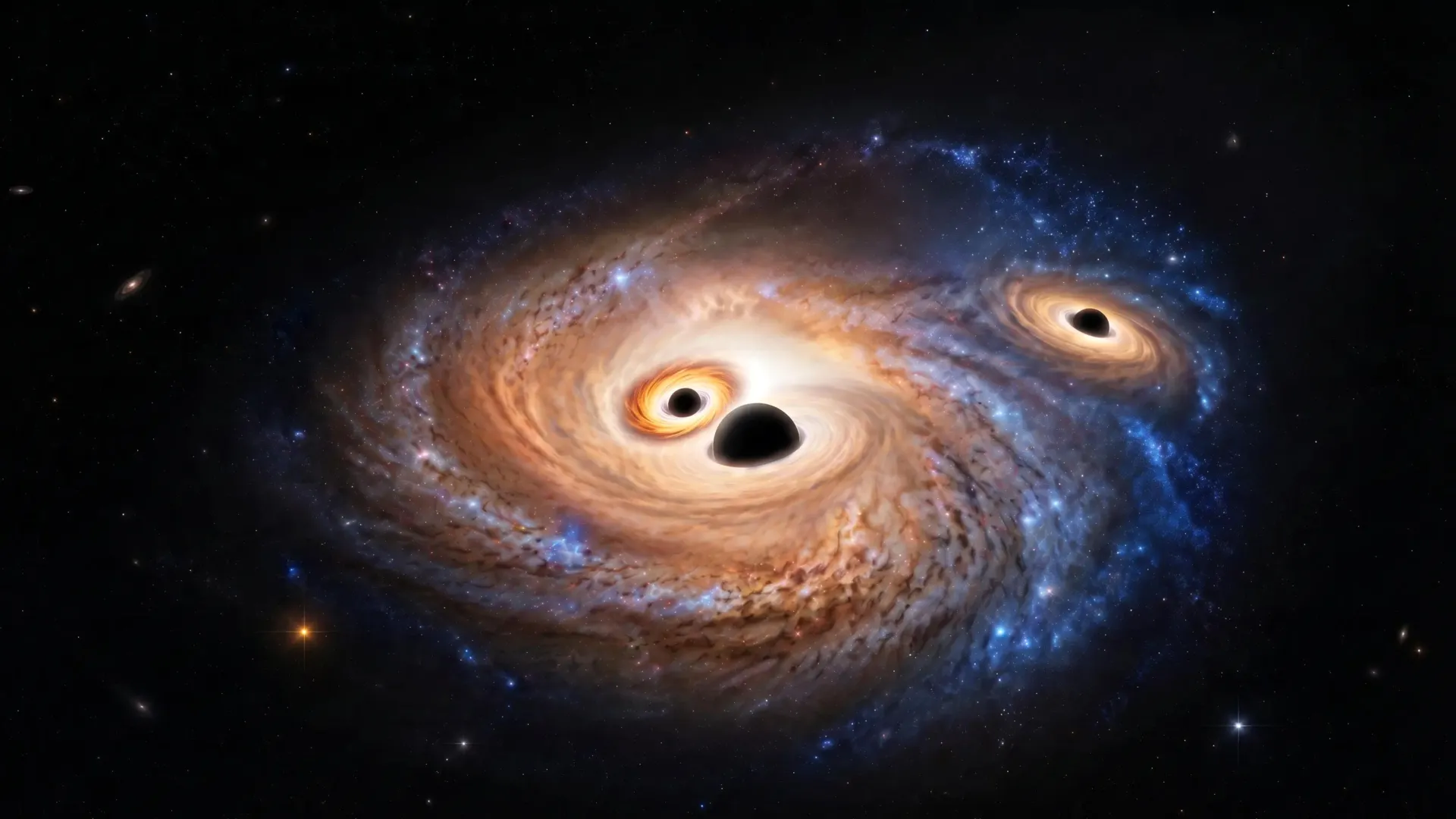
Astronomers have found three giant black holes in a single very early galaxy (4), so the first giants of the universe grew faster than our models allow, within a universe about 13.8 billion years old. In the lab, physicists have read quantum computer data without erasing it (8) by using a current that flows with no resistance. That is superconductivity, which Heike Kamerlingh Onnes discovered in 11911 HE, and more than a century later it is solving one of quantum computing's hardest problems.

  1. Spotting three huge black holes so soon after the Big Bang forces astronomers to rethink how fast the first giants grew.

    Source: ScienceDaily · World

  2. Reading a qubit, a quantum computer's basic unit, usually erases it. A gentle readout using a resistance-free current removes a real obstacle.

    Source: Phys.org · World

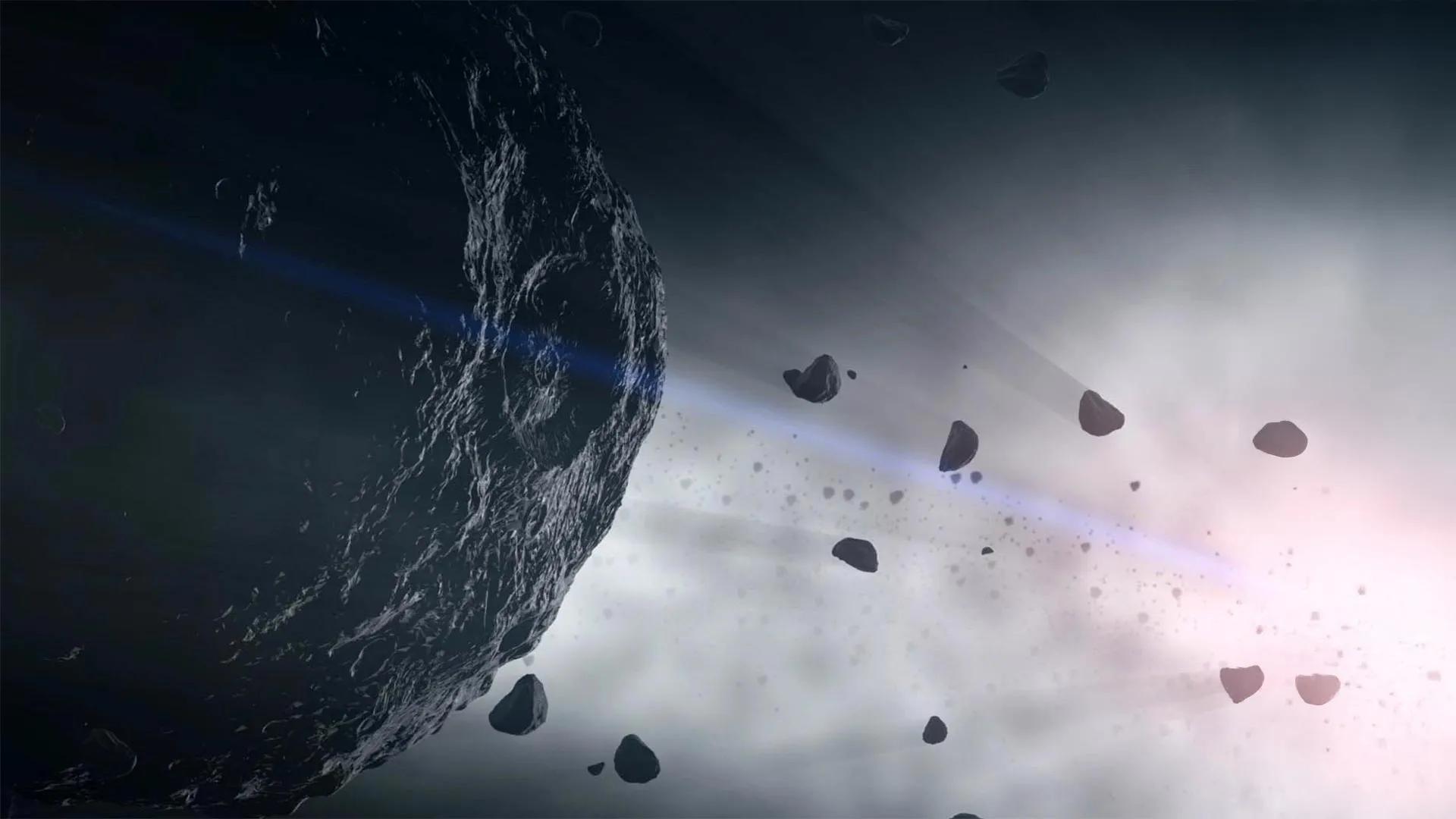
The dust OSIRIS-REx brought back from Bennu (4), 121.6 grams delivered in 12023 HE, holds chemistry older than Earth itself, which formed about 4.5 billion years ago. Closer to home, an enzyme designed from scratch by AI is now making drugs (8), and the UK government is pledging £100m for what it calls a world-first lab for AI biosecurity (11). Together they show tools with a double edge: the same protein design that could make cleaner medicines could help design pathogens, so who builds the safeguards matters now.

  1. OSIRIS-REx brought 121.6 grams of Bennu home in 12023, and this untouched material shows what chemistry existed before our planet formed.

    Source: ScienceDaily · World

  2. Enzymes built from scratch could make medicines with less waste and heat than standard chemical routes, which could cut costs and pollution.

    Source: Phys.org · World

  3. AI tools that can help design proteins could also help design pathogens, so who builds the safeguards, and how openly, matters now.

    Source: BBC · UK

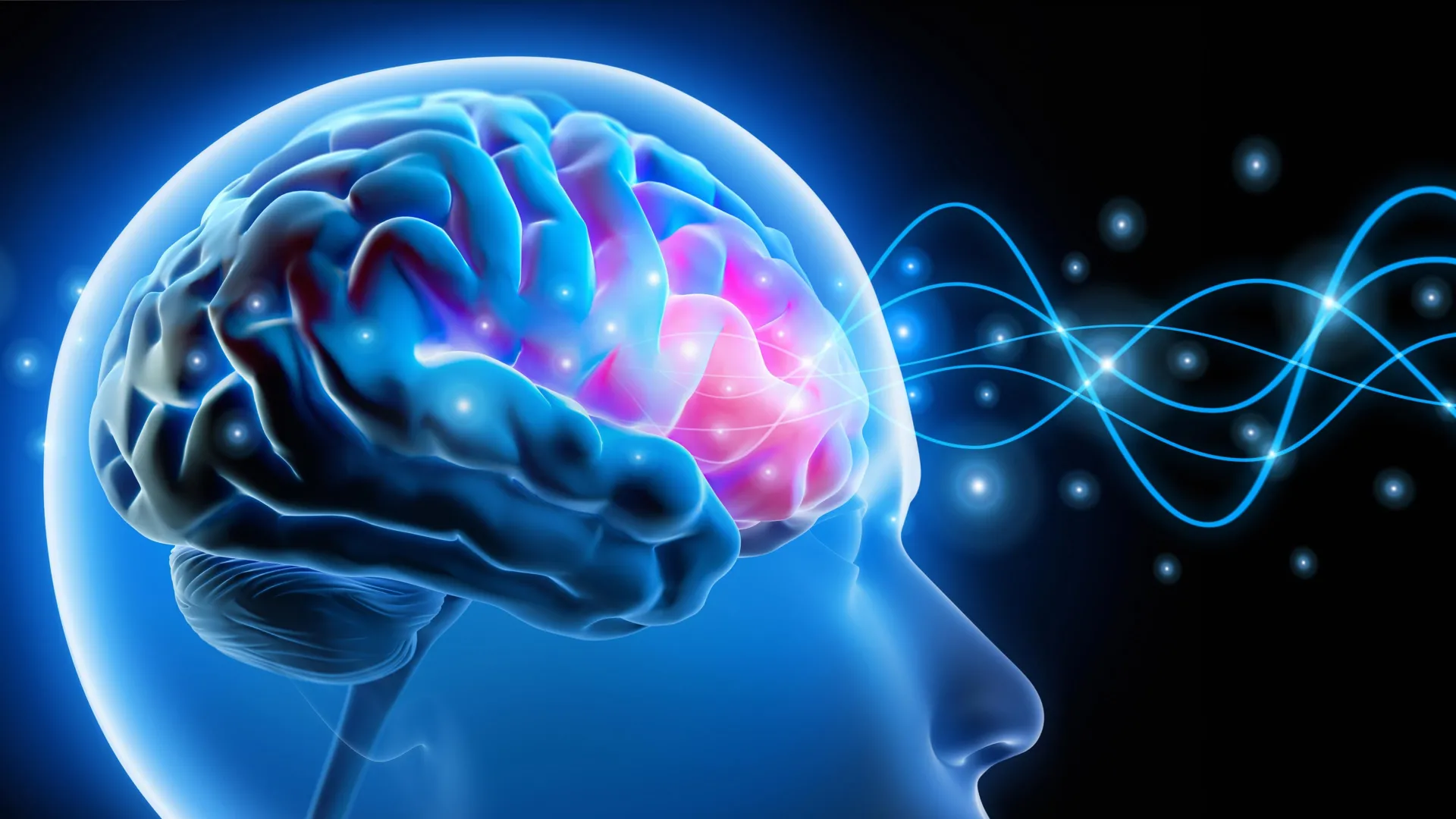
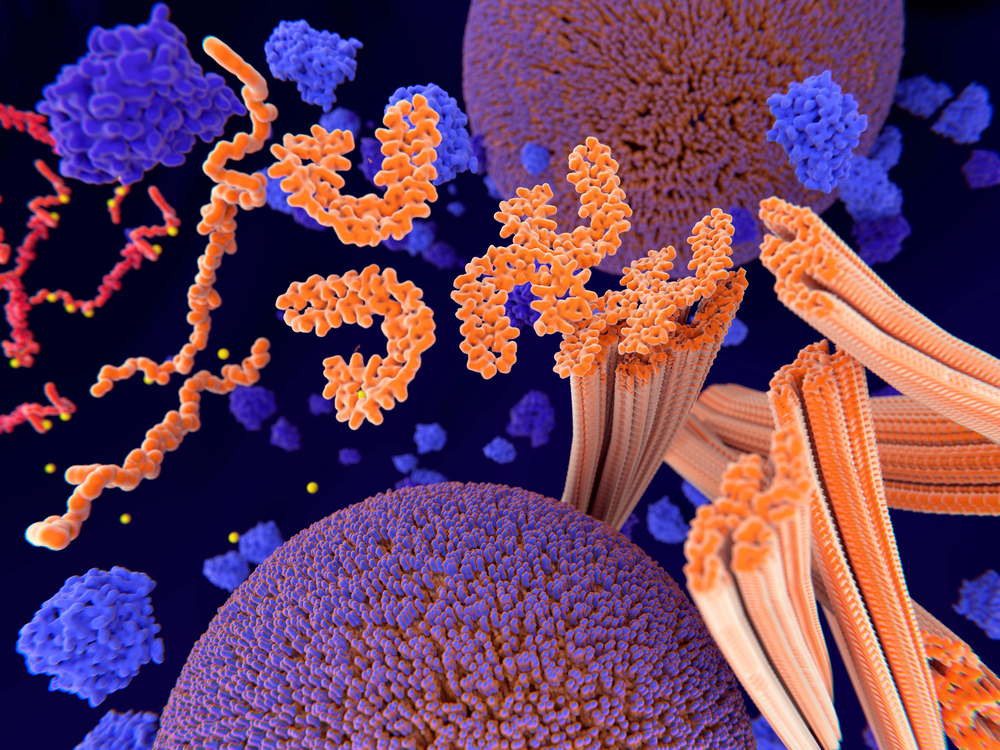
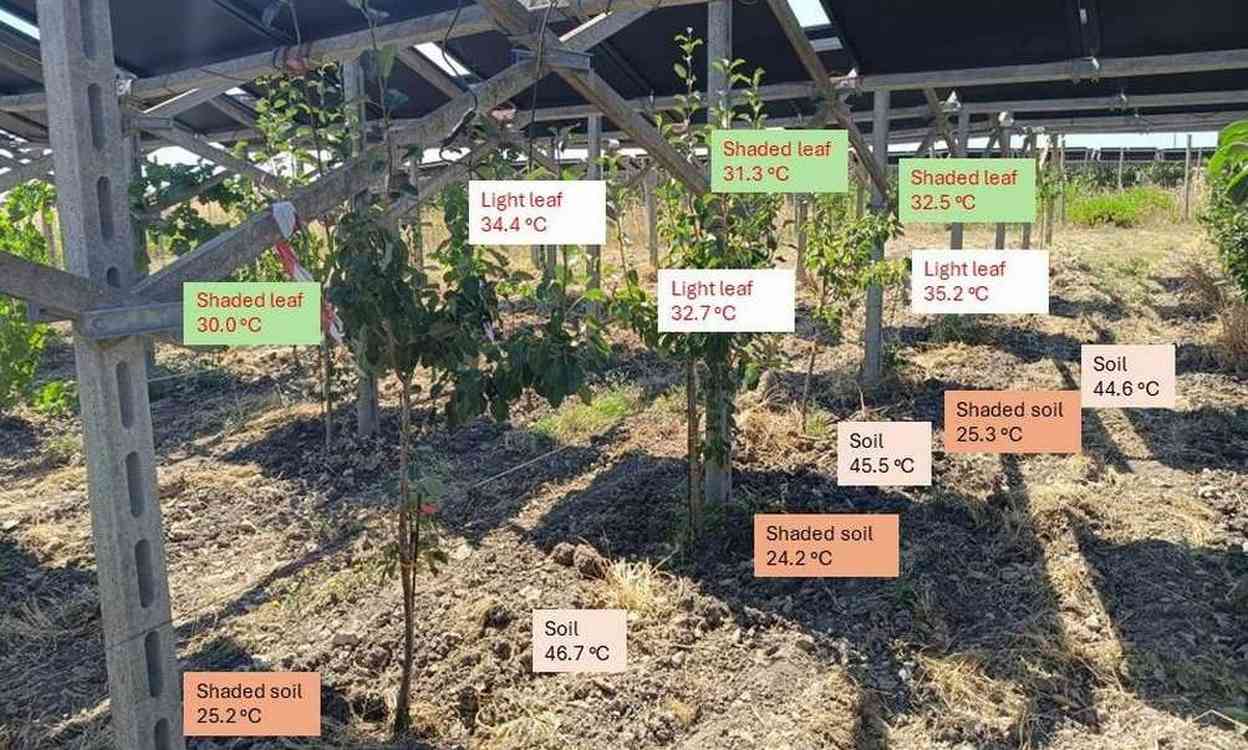
A therapy brought 68% of trial patients into PTSD remission (4), researchers have pinned down where Alzheimer's tau proteins harden into tangles (5), and a 2016 study showed that ten-minute door-to-door conversations reduced anti-trans prejudice for at least three months (14). Each finds the exact point where a stubborn problem can be changed, while the PHP flaw (9) and grapes thriving under solar panels (11) show how much depends on small, precise fixes to large systems. PTSD only entered psychiatry's diagnostic manual in 11980 HE, largely through the organizing of Vietnam War veterans, so a cure rate like this one arrives less than half a century after the condition was formally named.

  1. PTSD often lasts for years and resists current treatments, so a trial where most patients recovered is worth watching as larger studies follow.

    Source: ScienceDaily · World

  2. Knowing the exact point where tau proteins harden into tangles gives drug makers a precise target before brain damage becomes permanent.

    Source: Optimist Daily · World

  3. PHP runs on roughly three quarters of websites that use a known server language, so one flaw can expose a huge share of the web.

    Source: BBC · World

  4. As summers get hotter, panels shield vines from heat stress, so one field can produce both electricity and a better harvest.

    Source: Good News Network · World

  5. A 2016 study in Science found ten-minute deep canvassing talks reduced anti-trans prejudice, and the effect lasted at least three months.

    Source: Reasons to be Cheerful · World